
Gut signals revive aging memory by reactivating the vagus nerve
TL;DR
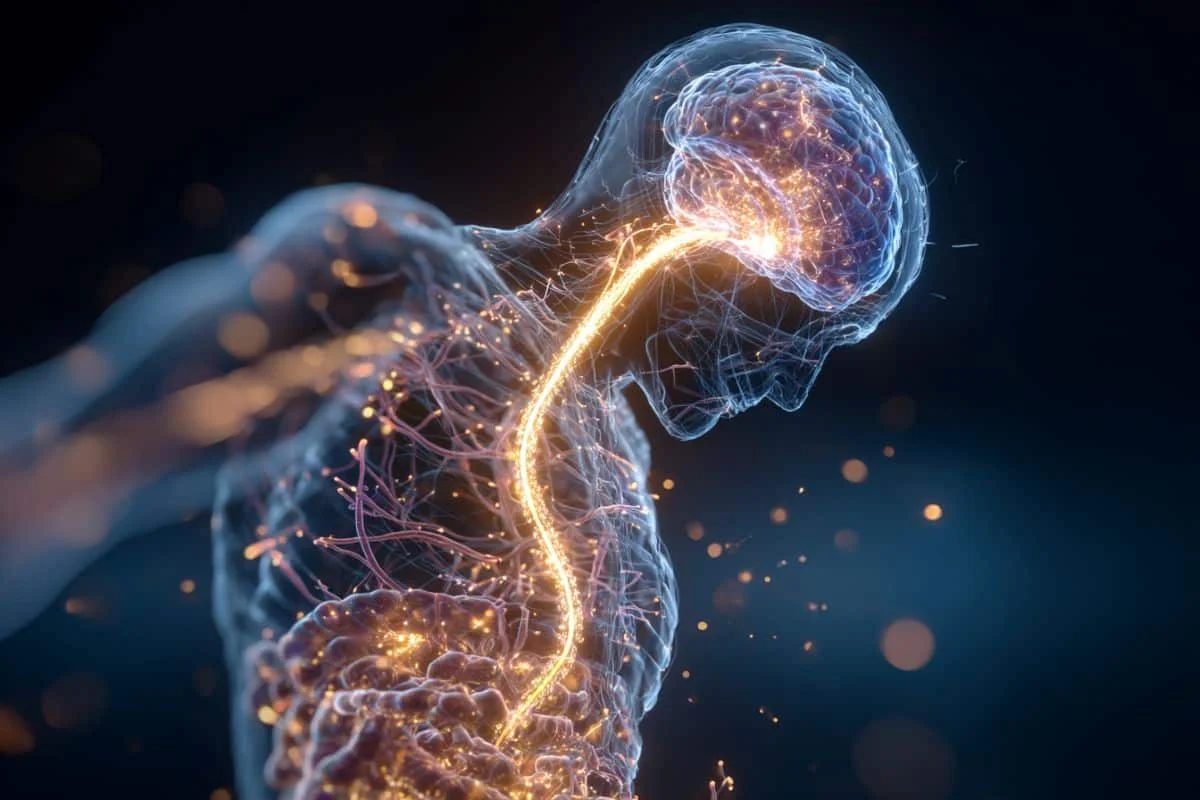
A Stanford study in mice links age-related memory loss to gut microbiome changes, specifically an rise in Parabacteroides goldsteinii that triggers gut inflammation and muffles the vagus nerve, dulling hippocampal memory encoding. Remarkably, boosting vagal activity or reshaping the gut microbiome reversed the deficits, suggesting peripheral gut–brain interventions could counteract cognitive aging in humans.
- Reversing Memory Loss via the Vagus Nerve Neuroscience News
- Enhancing gut-brain communication reversed cognitive decline, improved memory formation in aging mice Stanford Medicine
- Intestinal interoceptive dysfunction drives age-associated cognitive decline Nature
- The gut microbiome may influence brain aging, mouse study suggests scientificamerican.com
- High-fat diet-linked dysbiosis may send gut bacteria to the brain via vagus nerve Medical Xpress
Want the full story? Read the original reporting
Read on Neuroscience News