
Glacier Collapse, Not Earthquake, Triggered Deadly Nepal Floods
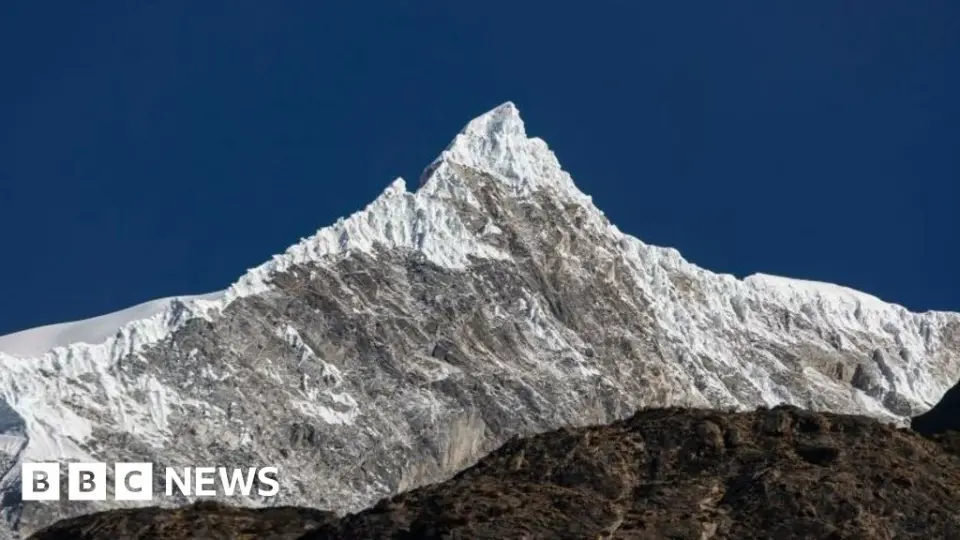
Scientists confirm a glacier collapse, not an earthquake, caused the deadly floods on the Nepal-Tibet border. The event killed at least 489 people and left over 1,300 missing, with rescue efforts paused due to a new barrier lake.
Key points
- USGS and scientists attribute the disaster to a glacial collapse near Langtang Lirung, not a seismic event.
- The collapse sent a massive debris wave downstream, raising river levels by 7-9 meters in 30 minutes.
- Death toll has risen to at least 489, with over 1,300 people still missing across Nepal and Tibet.
- Rescue operations were briefly paused after a barrier lake formed and began to overflow.
- Experts link the event to long-term tectonic uplift and accelerated glacial melting due to climate change.
Background
This disaster follows a pattern of increasing glacial hazards in the Himalayas. In 2021, a similar glacier collapse in India killed 200 people. Recent data from ICIMOD indicates that Hindu Kush Himalaya glaciers are losing ice at double the rate compared to 2000. The current event is part of a broader trend of destabilization in high-altitude environments due to warming temperatures and tectonic pressure.
How outlets are covering it
BBC and AP News emphasize the scientific consensus that a glacier collapse, rather than an earthquake, caused the flood. CNN highlights the physical nature of the flood, describing it as 'liquid concrete' that was impossible to outrun. NDTV focuses on the human impact, detailing the plight of missing tourists and pilgrims. While all outlets agree on the cause, they differ in emphasis: BBC and AP focus on the geological and climatic drivers, CNN on the immediate physical devastation, and NDTV on the personal stories of the missing.
Why it matters
The disaster underscores the growing risk of glacial hazards in the Himalayas due to climate change and tectonic activity. The high death toll and large number of missing persons highlight the vulnerability of remote communities and tourists in the region. The event also raises concerns about the potential for secondary disasters, such as the overflow of barrier lakes, which could cause further damage and loss of life.
What to watch
Rescue operations are expected to resume as the risk from the barrier lake diminishes. However, forecasted rain and the potential for further landslides or floods pose ongoing challenges. Authorities are focusing on locating the missing and providing aid to affected communities. Long-term recovery efforts will be needed to rebuild infrastructure and support the affected population.
- Collapsed glacier likely caused devastating Nepal-Tibet floods, scientists say BBC
- Live updates: Rescuers race to find survivors of deadly Nepal-China flood CNN
- "They Went For Dad's 60th Birthday": Daughter On Parents Missing In Nepal NDTV
- China rushes to minimise risk from lakes formed by glacier debris near Nepal border Reuters
- Satellite images reveal bedrock and glacier collapsed on the Nepal-Tibet border, then rivers flooded AP News
Want the full story? Read the original reporting
Read on BBC