
New Study Uncovers 7,000-Year Neanderthal-Human Interbreeding Era
TL;DR Summary
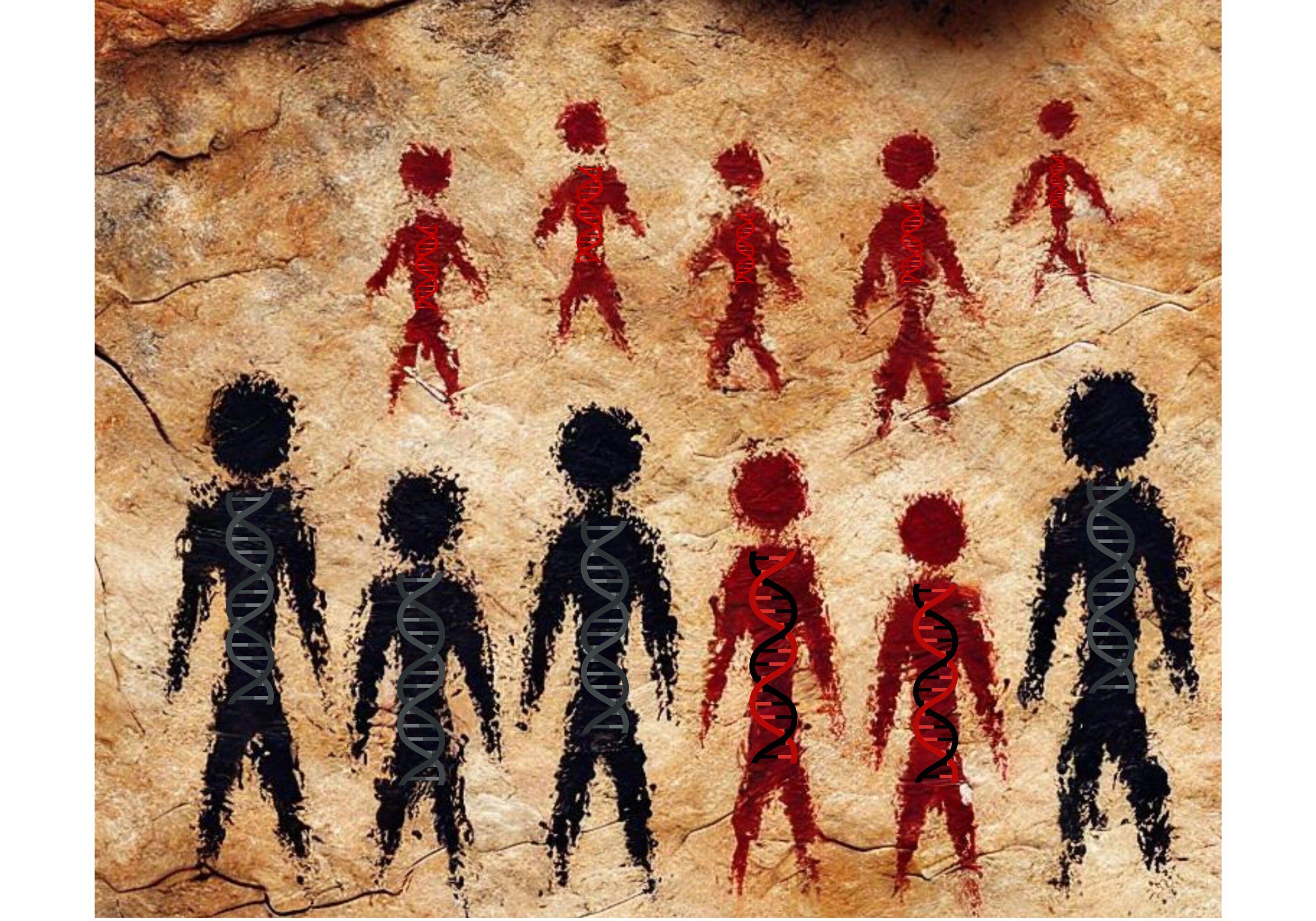
A new study has revealed that Neanderthals and modern humans interbred for about 7,000 years, starting around 50,500 years ago, leaving present-day Eurasians with 1-2% Neanderthal DNA. This research, based on DNA analysis from ancient and modern human genomes, provides a more precise timeline for the interbreeding period, which aligns with archaeological evidence. The study also highlights the presence of Neanderthal genes in modern humans, particularly those related to immune function and adaptation to harsh climates, and notes the rapid development of Neanderthal gene deserts in early human genomes.
- Neanderthal-human interbreeding lasted 7,000 years, new study reveals Phys.org
- Neanderthals and Humans Mated More Recently Than Previously Thought The Wall Street Journal
- Oldest Human Genomes Reveal How a Small Group Burst Out of Africa The New York Times
- Scientists pinpoint when humans had babies with Neanderthals The Washington Post
- Ancient genes pinpoint when humans and Neanderthals mixed and mingled The Associated Press
Reading Insights
Total Reads
0
Unique Readers
10
Time Saved
6 min
vs 7 min read
Condensed
94%
1,374 → 89 words
Want the full story? Read the original article
Read on Phys.org