
Post-menopausal Killer Whales: Guardians of Their Sons
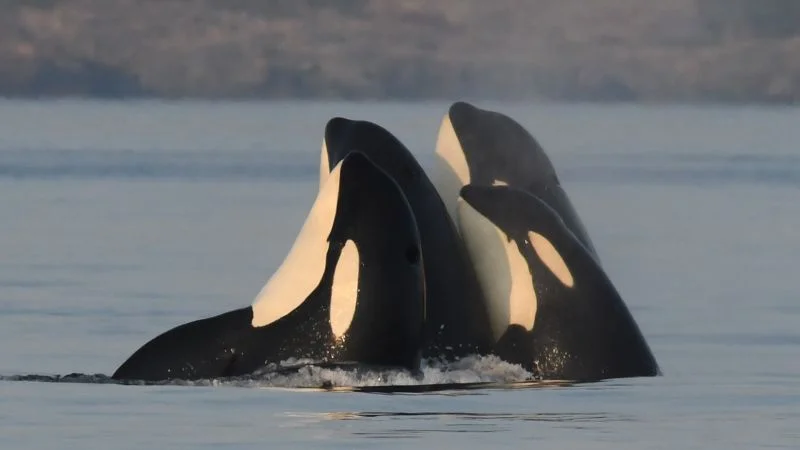
Female killer whales, like humans, live long beyond their reproductive years, and scientists are studying why. A new study published in Current Biology reveals that postmenopausal orca matriarchs engage in "helicopter parenting" of their sons, helping them navigate social interactions and protecting them from fights with other killer whales. The research found that males with postmenopausal mothers had 35% fewer tooth rake marks, indicating reduced physical social interactions. The study suggests that older females use their experience and knowledge to assist their sons, potentially signaling or involving themselves in conflicts. The researchers found no evidence of similar protection for daughters or from breeding mothers or grandmothers. This study sheds light on the evolutionary purpose of menopause in killer whales and highlights the unique nature of menopause in only a few species, including humans and toothed whales.
- How killer whale grannies spend their time postmenopause CNN
- Orca mothers keep 5-tonne sons out of trouble BBC
- Post-menopausal killer whales defend their sons from aggressors, study finds The Guardian
- Mummy's boy killer whales helped in fights by post-menopausal mothers, study finds The Independent
- Post-menopausal killer whales protect their sons from fights, study finds The Telegraph
Reading Insights
1
11
3 min
vs 4 min read
80%
674 → 136 words
Want the full story? Read the original article
Read on CNN