
Isotope Analysis Confirms T. rex Maintained Human-Like Body Temperature
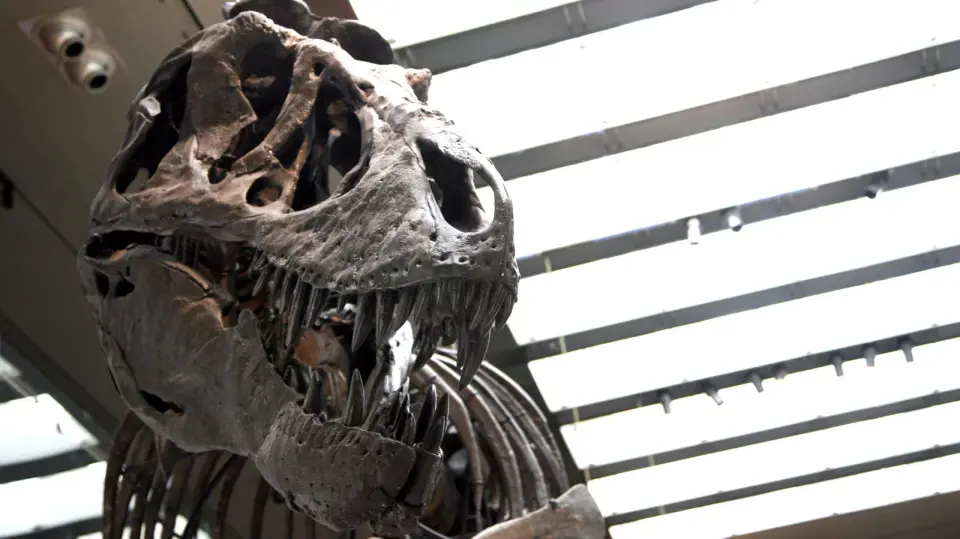
A UCLA study published in Science Advances confirms that Tyrannosaurus rex was warm-blooded, with a body temperature of approximately 97.3 degrees Fahrenheit. By analyzing carbon and oxygen isotopes in tooth enamel from two specimens, including 'Thomas the T. rex,' researchers determined the dinosaur’s metabolic heat was comparable to modern elephants and large birds. This finding supports the theory that T. rex was an active predator capable of surviving in diverse climates, including high latitudes, rather than a sluggish, cold-blooded ambush hunter.
Key points
- Researchers at UCLA used a refined isotope analysis technique to measure the body temperature of two T. rex specimens, including the skeleton known as Thomas the T. rex at the Natural History Museum of Los Angeles County.
- The study found T. rex had an internal temperature of 97.3 degrees Fahrenheit, with a margin of error of 4.5 degrees, placing it within the range of large mammals like elephants and flightless birds like ostriches.
- The analysis required only minute samples of tooth enamel, a breakthrough that allowed scientists to avoid destroying significant portions of rare fossils, which had previously hindered such research.
- The warm-blooded nature of T. rex suggests it could maintain sustained activity and survive in cooler environments, such as the Arctic, unlike cold-blooded reptiles that require constant sun exposure to regulate temperature.
- The findings align with recent discoveries of adult T. rex trackways in North Dakota, which indicate the dinosaur walked at a pace of 3.5 to 4.5 miles per hour, further supporting the image of an active, mobile predator.
Background
This study builds on earlier paleontological findings, including the discovery of the first adult T. rex trackway in North Dakota in September 2026, which provided data on the dinosaur's walking speed and stride length. Additionally, research from September 2026 examining blood vessels in the rib of 'Scotty' the T. rex offered insights into soft tissue preservation and potential causes of death, contributing to the broader understanding of T. rex biology and behavior.
How outlets are covering it
While both Jalopnik and CBC agree on the core finding that T. rex was warm-blooded, they emphasize different aspects of the research. Jalopnik highlights the novelty of the 'dentistry' technique and the implications for T. rex's speed and predatory behavior, comparing it to a fast-running predator. CBC, however, focuses more on the technical challenges of the analysis, such as the thin enamel of tyrannosaur teeth, and the broader ecological implications, such as the ability to cross the Bering Strait. CBC also notes debate among experts, like François Therrien, regarding whether T. rex had the exact same metabolic efficiency as modern mammals, given the energy requirements of such a large animal.
Why it matters
This research provides definitive evidence for the warm-blooded nature of T. rex, resolving a long-standing debate in paleontology. It has significant implications for understanding dinosaur behavior, ecology, and distribution, suggesting that T. rex was a more versatile and active predator than previously thought. This could reshape our understanding of how dinosaurs adapted to changing climates and environments during the Cretaceous period.
What to watch
Researchers may apply this refined isotope analysis technique to other dinosaur species to determine their body temperatures and metabolic rates. Further studies could explore the specific mechanisms by which T. rex maintained its body temperature, whether through a mammal-like metabolism or enhanced insulation. Additionally, the findings may influence future paleontological research into the distribution and behavior of other large dinosaurs in high-latitude regions.
- Scientists Discover T. Rex Blood Was As Hot As Human Blood, Suggesting They Were Fast-Running Predators Jalopnik
- T. Rex, King of the Dinosaurs, Had a Body Temperature of 97 Degrees The New York Times
- T. rex had a body temperature similar to our own, study finds PBS
- T. rexes were as warm-blooded as elephants, study finds CBC
- Tyrannosaurus rex teeth reveal a body temperature close to the human average Phys.org
Want the full story? Read the original reporting
Read on Jalopnik