
August 12 Skywatching Bonanza: Eclipse, Perseids, Venus and the Milky Way
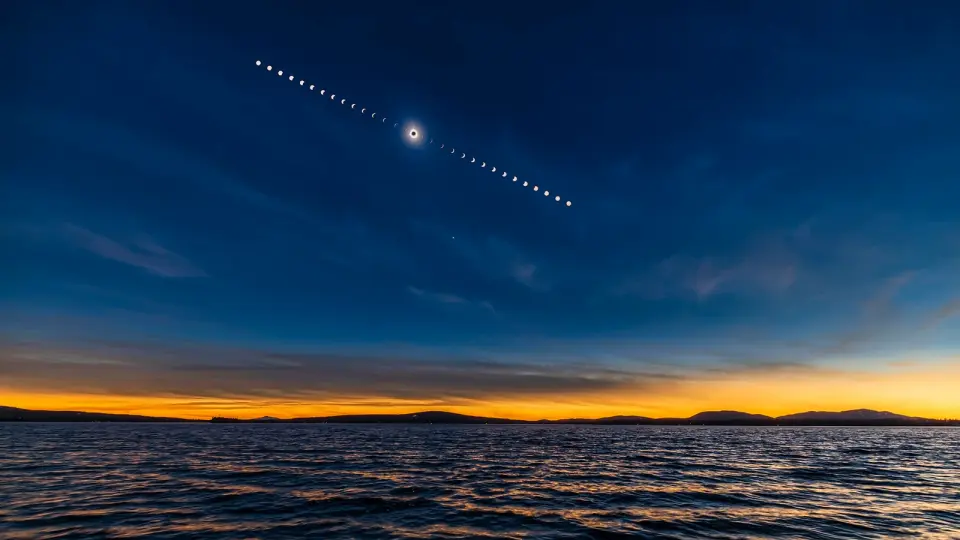
On Aug. 12, 2026, skywatchers across North America and Europe can enjoy a daytime solar eclipse, followed by Venus at dichotomy after sunset and the peak of the Perseid meteor shower under moonless skies, with the Milky Way visible later in the night. The event offers a rare 24-hour sequence (partial to total eclipse in parts of the world; bright Venus after sunset; up to 50–75 meteors per hour under dark skies), plus region-by-region viewing notes (e.g., Alaska and the Northeast for eclipse timing; London and Paris near-total). Observers are urged to use ISO-certified solar glasses and proper filters for optics, with the best meteor viewing around midnight–2 a.m. local time. It could be one of the year's premier skywatching opportunities.
- Mark your calendars: Aug. 12 could be the greatest single day and night for skywatching for years Live Science
- Eyes to the Skies: August features partial eclipses of the sun and moon WTOP
- 9 night sky events to see in August, from a total solar eclipse to the return of the northern lights nationalgeographic.com
- August stargazing: A planet parade, two eclipses, and one scary star Popular Science
- What’s Up: August 2026 Skywatching Tips from NASA NASA Science (.gov)
Want the full story? Read the original reporting
Read on Live Science