
Reflect Orbital’s Surprise California Light Test Ignites Astronomer and Environmental Backlash
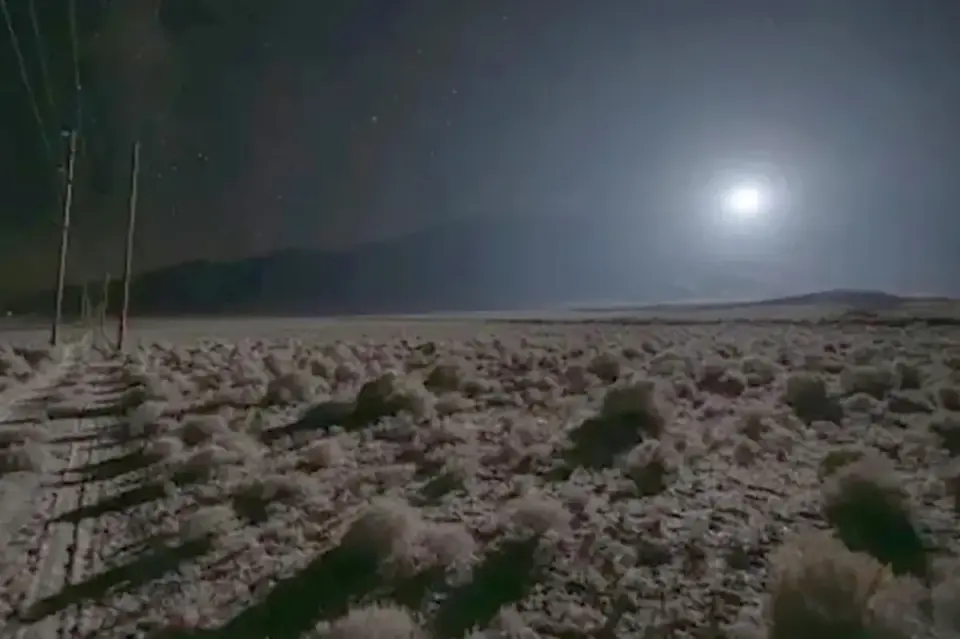
A tech startup conducted an unannounced nighttime light test in California to simulate its planned 'sunlight-as-a-service' satellite network, drawing sharp criticism from astronomers and environmental groups over potential light pollution and regulatory gaps.
Key points
- Reflect Orbital tested high-powered spotlights near Lone Pine, California, on October 10 to simulate the illumination of its proposed orbital mirror satellites.
- The company plans to deploy 50,000 satellites over the next decade to reflect sunlight onto Earth at night, with an initial 'Earendil' mission scheduled for the second quarter of 2027.
- The demonstration illuminated a three-mile stretch of desert, partnering with local search-and-rescue volunteers, but was not disclosed to local authorities or the astronomy community.
- Critics warn that the technology could cause severe light pollution, disrupt wildlife, and render ground-based astronomy impossible, with some describing the project as 'idiotic.'
- Regulatory uncertainty persists as the FCC approved the initial launch but stated it lacks authority over light pollution, potentially shifting oversight to Indian space regulators.
Background
This incident follows earlier coverage of Reflect Orbital’s controversial plans to alter the night sky, which had already sparked debate over the separation of day and night cycles. The current test serves as a physical demonstration of the technology that was previously only discussed in regulatory filings and scientific papers.
How outlets are covering it
While Reflect Orbital emphasizes the utility of its technology for search-and-rescue operations and solar power, critics highlight the lack of consultation and potential environmental harm. The California Post and NDTV focus on the surprise nature of the test and the public backlash, whereas Sky & Telescope and The Guardian provide deeper analysis of the scientific risks and regulatory loopholes. Sky & Telescope notes that the test was conducted without notifying the Bureau of Land Management or local astronomers, while The Guardian highlights concerns from climate scientists about altering Earth's radiative balance. All sources agree that the FCC’s approval does not address environmental impacts, creating a legal grey area.
Why it matters
The test highlights a significant gap in space regulation, as existing laws do not adequately address the environmental and astronomical impacts of artificial light from space. It raises questions about who controls the night sky and the potential for unregulated technological interventions to disrupt natural cycles and scientific research.
What to watch
Reflect Orbital is preparing for its first satellite launch in 2027, while DarkSky International plans a grassroots campaign in November to urge local and federal governments to regulate light from space. The FCC and Indian space regulators may face pressure to address the environmental and astronomical concerns raised by the demonstration.
- Small California town hit with ‘sky glow’ as startup tests science fiction tech New York Post
- A Satellite Company Tests “Sunlight As A Service” — Without Astronomers’ Knowledge Sky & Telescope
- Sunlight at night: US startup’s demonstration of lighting Earth from space draws criticism The Guardian
- US-Based Startup Faces Backlash For Testing Nighttime Sunlight: "Idiotic Project" NDTV
- In California's Night Sky, 'Blinding' Daylight Newser
Want the full story? Read the original reporting
Read on New York Post