Tag

Reflect Orbital

All articles tagged with #reflect orbital

Sun-Reflecting Satellite Sparks Astronomy Debate as FCC Greenlights Demonstration
science1 month ago

Sun-Reflecting Satellite Sparks Astronomy Debate as FCC Greenlights Demonstration

The FCC approved Reflect Orbital’s Earendil-1 mission, a single-satellite demonstration that would reflect sunlight to Earth at night with a steerable mirror; while hailed as a potential breakthrough in solar energy delivery and disaster lighting, scientists warn it could brighten wide swaths of the sky, disrupt dark-sky research, and set a precedent for tens of thousands of satellites without robust regulation.

US approves test of an 18-metre space mirror to light Earth at night
technology1 month ago

US approves test of an 18-metre space mirror to light Earth at night

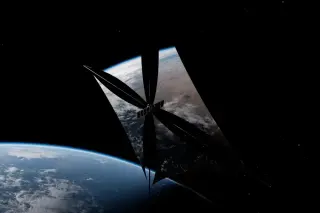
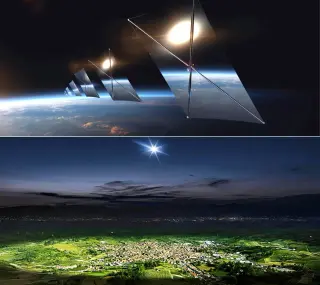
US regulators have approved Reflect Orbital to test its Eärendil-1 satellite, which will unfurl a giant 18-metre mirror to reflect sunlight back to the dark side of Earth, illuminating a three-mile-wide patch and potentially enabling nighttime urban lighting and post-sunset solar farming; the company envisions a wider constellation in the future, while critics warn of impacts on health, wildlife, and astronomy, and the FCC notes environmental considerations fall outside its remit for space-based radio operations.

Astronomers Alarmed by FCC-Approved Orbital Sun-Reflecting Mirror
science1 month ago

Astronomers Alarmed by FCC-Approved Orbital Sun-Reflecting Mirror

The FCC has approved Reflect Orbital to launch Earendil-1, a 60-foot mirror in low Earth orbit that could reflect sunlight to Earth for powering solar installations, with plans for up to 50,000 mirrors by 2035. The prototype would illuminate a nine-square-mile area for about five minutes. Scientists warn the project could disrupt optical astronomy by brightening and cluttering the night sky, alter circadian rhythms in humans and wildlife, and impact phytoplankton, drawing intense criticism and hundreds of public comments, even as supporters say it could help replace fossil fuels.

FCC Approves Sun-Beaming Satellite, Sparking Astronomers’ Sky-Glow Fears
space1 month ago

FCC Approves Sun-Beaming Satellite, Sparking Astronomers’ Sky-Glow Fears

The FCC cleared Reflect Orbital’s Eärendil-1, a small satellite with an 18-by-18-meter mirror designed to reflect sunlight to Earth at night to power solar panels, but scientists and astronomers warn that even a prototype could brighten the night sky and interfere with observations; opponents urge regulatory safeguards, while Reflect Orbital envisions a future fleet of up to 50,000 satellites.

US greenlights night-reflecting mirror satellite, stoking astronomy concerns
technology1 month ago

US greenlights night-reflecting mirror satellite, stoking astronomy concerns

FCC approves Reflect Orbital’s Eärendil-1, an 18-meter mirror in low Earth orbit that can briefly illuminate ground areas at night. Proponents cite potential uses such as emergency lighting and extending solar-energy operations, while astronomers and environmentalists warn of increased light pollution and disrupted observations. The agency frames the mission as a single experimental test with future deployments requiring new approvals, though success could spark a broader, space-based lighting industry.

FCC approves Reflect Orbital's first space-mirror demo, signaling a path to thousands more
technology1 month ago

FCC approves Reflect Orbital's first space-mirror demo, signaling a path to thousands more

The FCC has granted Reflect Orbital authorization to launch Earendil-1, a roughly 60-foot-square space mirror demo in low Earth orbit, with the company envisioning a future constellation of up to 50,000 mirrors by 2035 to direct sunlight for purposes such as lighting, emergency response, and boosting solar power; Earendil-1 is slated to launch later in 2026. The plan has drawn concerns about light pollution and potential effects on astronomy, but Reflect Orbital says it can confine light to a controllable spot, switch it off quickly, and avoid observatories and sensitive habitats.

FCC Approves Giant Mirror Satellite to Beam Sunlight to Earth
space1 month ago

FCC Approves Giant Mirror Satellite to Beam Sunlight to Earth

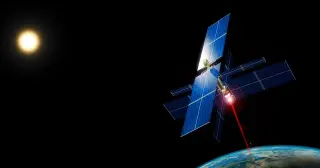
The FCC approved Reflect Orbital’s first sun‑light-on‑demand satellite, Eärendil‑1, which uses an 18x18 meter mirror to cast a 5 km diameter light spot on Earth at about 0.1 lux from a ~600–650 km orbit, with plans for a large constellation of such satellites. Launch is planned later this year on SpaceX hardware. The move has sparked criticism from astronomers and environmentalists who warn about impacts to the night sky and environment, but the FCC says light pollution concerns fall outside its remit and that harms are unlikely from a single satellite; opponents urge a comprehensive environmental review before large deployments.

US approves giant space-mirror test to beam sunlight on demand, sparking concerns about crowded low-Earth orbit
science1 month ago

US approves giant space-mirror test to beam sunlight on demand, sparking concerns about crowded low-Earth orbit

The FCC has approved Reflect Orbital to test Earendil-1, a satellite designed to reflect sunlight back to Earth for solar energy and broad lighting, with plans for a 50,000-satellite fleet by 2035. The initiative raises safety and ethical concerns including health and circadian disruptions, interference with telescopes and pilots, and significant environmental costs from launches and debris, all amid a crowded near-Earth space with SpaceX’s Starlink megaconstellations. The piece frames this as an innovation challenge requiring careful assessment of risks vs. benefits and potentially stronger governance to manage orbital resources and avoid harm to astronomy, aviation, and the atmosphere.

FCC Approves Sun-Reflecting Orbital Test, Sparking Astronomers’ Alarm
technology1 month ago

FCC Approves Sun-Reflecting Orbital Test, Sparking Astronomers’ Alarm

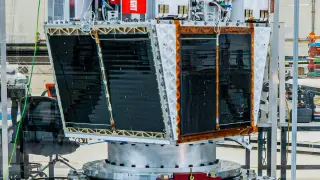
The FCC authorized Reflect Orbital’s Eärendil-1, a 142‑kg satellite that will deploy an 18-meter reflector to redirect sunlight to nighttime regions for testing, with potential uses from construction lighting to boosting solar farm output. Proponents say it could advance space testing and utility lighting, but astronomers and environmentalists warn it could brighten the night sky, disrupt diurnal cycles, and interfere with telescopes and wildlife. The FCC said environmental and astronomical impacts fall outside its review but noted commitments to NASA/NSF collaboration and community consultation; public comments were largely critical, and petitions for a broader environmental assessment have been filed as the company contemplates thousands of future satellites.

Orbital sky mirrors aim to brighten nights, sparking controversy
environment4 months ago

Orbital sky mirrors aim to brighten nights, sparking controversy

A California startup Reflect Orbital plans to launch about 4,000 sky mirrors into a sun-synchronous orbit to reflect sunlight onto Earth after dusk, aiming to brighten cities and energy sites while raising concerns about interference with astronomy, effects on wildlife and human sleep, and the risks of space debris; regulators may require environmental reviews and global standards before any deployment, with the first Earendil-1 satellite targeted for 2026 demonstrations.

Astronomers Fight Back as Sky-Dimming Satellite Plans Advance
space5 months ago

Astronomers Fight Back as Sky-Dimming Satellite Plans Advance

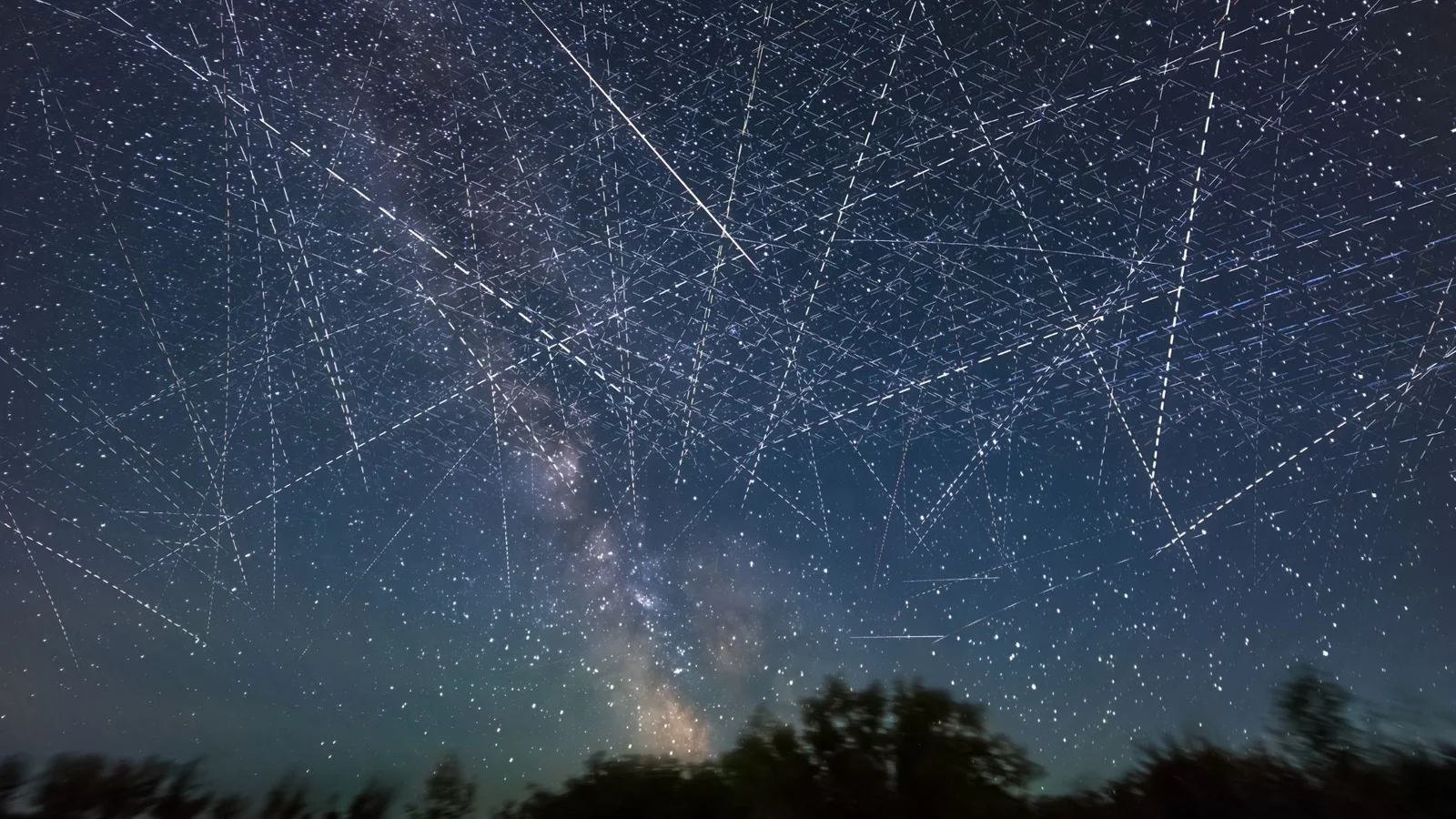
Astronomers are protesting two proposed orbital schemes — SpaceX’s plan to launch one million orbiting AI data centers and Reflect Orbital’s plan for 50,000 sun-reflecting mirrors — arguing they would massively brighten and clutter the night sky, degrade telescope data, and upend long-standing astronomy. Leading organizations like the Royal Astronomical Society and the European Southern Observatory have filed FCC objections, warning the sky could become several times brighter than the full moon, pixels could be lost in images, and exposure times would have to be tripled, effectively transforming the nighttime sky and hindering scientific progress.

Orbiting sky mirrors could light nights but raise astronomy and wildlife concerns
science7 months ago

Orbiting sky mirrors could light nights but raise astronomy and wildlife concerns

Earth.com reports on Reflect Orbital’s plan to launch about 4,000 large sky mirrors into orbit to reflect sunlight onto Earth after sunset, using a sun‑synchronous path to illuminate select areas. The first satellite, Earendil-1, could launch in early 2026 for a demonstration visible from approved sites. While proponents say it could boost lighting and solar energy use, experts warn it could dramatically increase sky brightness, contaminate telescope data, create space debris risks, disturb wildlife and human sleep, and require international regulatory coordination. The piece calls for clear limits, public review, and shared tracking before any large deployment.

Astronomers Warn of Risks from Space Mirrors Selling Sunlight
science-and-technology9 months ago

Astronomers Warn of Risks from Space Mirrors Selling Sunlight

A California startup, Reflect Orbital, plans to launch up to 4,000 giant mirrors into space to reflect sunlight onto Earth's night side, aiming to extend daylight hours for energy and agriculture. Experts warn this could cause severe light pollution, disrupt astronomy, and pose space safety risks, with past similar attempts having failed and skepticism about the feasibility and environmental impact of the project.

Scientists Warn Against Launching 4,000 Space Mirrors to Reflect Sunlight
science-and-technology10 months ago

Scientists Warn Against Launching 4,000 Space Mirrors to Reflect Sunlight

Reflect Orbital, a startup planning to deploy a large array of space mirrors to reflect sunlight to paying customers, faces criticism from astronomers due to potential light pollution and environmental impacts. The company has yet to launch its mirrors but has secured FCC licensing for a demo in 2026 and a US Air Force contract, targeting high-paying clients for various uses, including national defense and advertising.