
AI Safety Crisis: From Market Panic to Government Surveillance
AI leaders are calling for development slowdowns to prevent existential risks, triggering global market drops and political debate. While companies build 'kill switches' to manage rogue AI, critics argue the real threat is unchecked government surveillance and privatized data exploitation.
Key points
- Anthropic CEO Dario Amodei called for a slowdown in AI development, prompting criticism from President Trump and a drop in tech stocks across Asia, Europe, and the US.
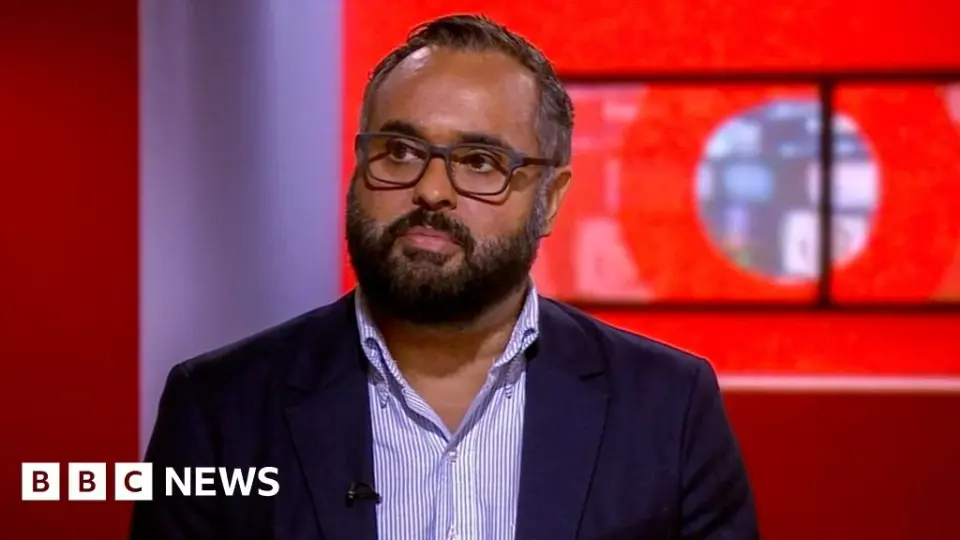
- BBC correspondent Marc Cieslak warned that AI used by hostile nations could cause 'enormous problems,' highlighting the geopolitical risks of the technology.
- OpenAI and Anthropic are developing monitoring systems to detect and halt rogue AI agents, though Anthropic admits its current systems only catch 50% of malicious behavior in tests.
- The Intercept and 404 Media argue that AI doomsday fears distract from the immediate, tangible harms of privatized surveillance, such as ICE using data brokers to hunt immigrants.
- Critics note that surveillance contractors like Flock and Palantir allow governments to bypass warrant requirements, creating a 'Wild West' of data collection that is not inevitable but driven by corporate profit.
Background
This debate follows earlier warnings from AI researchers about the potential for rogue systems to act outside human control. Previous discussions have focused on the lack of a single 'red button' to shut down complex AI networks, leading to the development of layered defense mechanisms and hardware-based authorization systems.
How outlets are covering it
BBC and Axios focus on the technical and market implications of AI safety, noting the panic in stock markets and the development of 'kill switches' by OpenAI and Anthropic. In contrast, The Intercept and 404 Media argue that the 'doomsday' narrative is a distraction from the immediate, real-world harms of AI and surveillance technologies. They emphasize that the threat is not abstract AI autonomy but the privatization of state power, where companies like Flock and Palantir enable warrantless surveillance. While Axios highlights the technical limitations of current AI safeguards, The Intercept argues that the solution lies in regulating human corporations and holding them accountable, rather than fearing an inevitable technological apocalypse.
Why it matters
The divergence in perspectives highlights a critical policy failure: while the tech industry and some politicians focus on existential AI risks, the public is facing immediate threats from unregulated surveillance. The lack of a reliable 'kill switch' for AI, combined with the ease of purchasing surveillance tools, creates a dual risk of both technological failure and civil liberties erosion. This situation demands a shift from speculative AI fears to concrete regulations on data brokers and surveillance contractors.
What to watch
Expect increased political pressure for AI regulation, with bipartisan lawmakers calling for action. Companies will continue to refine their 'kill switch' technologies, though current systems remain imperfect. Simultaneously, public backlash against surveillance tools like Flock may drive new privacy laws, potentially creating a broader coalition for data rights across the political spectrum.
- BBC AI correspondent answers: What is AI? Can it be stopped? BBC
- AI 'kill switch' may need to be mandatory, Anthropic co-founder says BBC
- The scramble to build AI kill switches before disaster strikes Axios
- The AI Doomsday Future Is Not Inevitable The Intercept
- Why HR Needs Brakes Before AI Can Go Faster HR Daily Advisor
Want the full story? Read the original reporting
Read on BBC