
Apple Launches Klarna-Backed Leasing Program for Devices
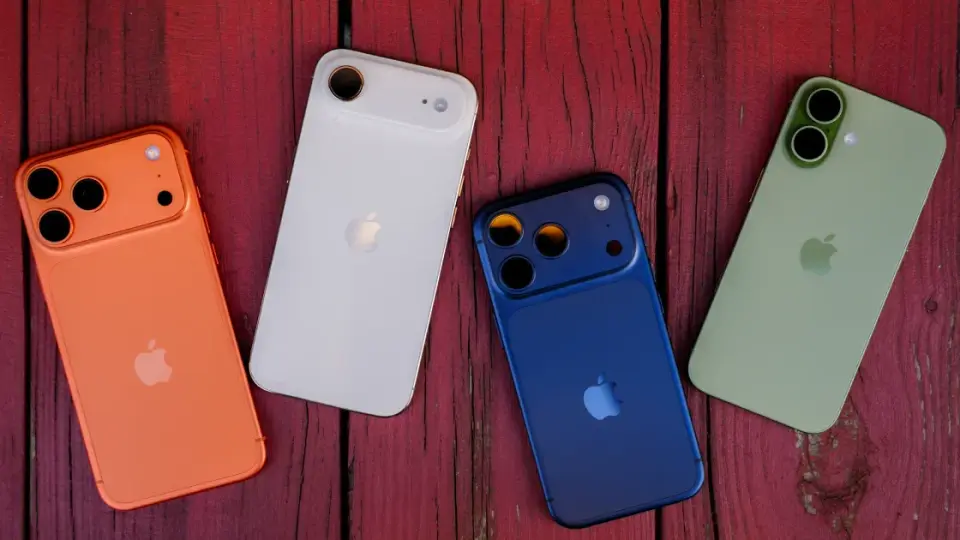
Apple has launched 'Apple Upgrade,' a leasing program in the United States that allows customers to rent iPhones, Macs, iPads, and Apple Watches through monthly payments. Backed by payment provider Klarna, the service offers terms ranging from 12 to 36 months depending on the device. At the end of the lease, users can return the device, pay a fee to keep it, or upgrade to a newer model. The program replaces the previous iPhone Upgrade Program and excludes budget devices like the iPhone 16 and MacBook Neo. This move aims to mitigate the impact of recent price hikes on Apple hardware, which were driven by global memory shortages.
Key points
- Apple partnered with Klarna to launch 'Apple Upgrade,' a leasing service for iPhones, Macs, iPads, and Apple Watches in the US.
- Lease terms are 12 or 24 months for iPhones and Apple Watches, and 24 or 36 months for Macs and iPads.
- Monthly costs start at $17.99 for the iPhone 17e and $11.99 for the Apple Watch Series 11, with higher prices for premium models.
- At the end of the lease, customers can return the device, pay a difference to keep it, or upgrade to a new model.
- The program excludes budget devices such as the iPhone 16, MacBook Neo, and base iPad, and does not include AppleCare+.
- Missed payments roll over to the next month, but leases are terminated after three consecutive missed payments, potentially leading to collections.
Background
Apple previously offered an 'iPhone Upgrade Program' that allowed users to swap devices after 12 monthly payments. That program is now discontinued in the US, with existing customers being transitioned to the new Apple Upgrade plan. This expansion follows a significant price increase for Mac and iPad products in late June 2026, which analysts attributed to a global memory shortage and rising demand for data center components. The new leasing model is designed to make high-cost devices more accessible by shifting the focus from upfront sticker prices to manageable monthly installments.
How outlets are covering it
PCMag highlights the specific pricing structures and the exclusion of budget devices, noting that the new program offers lower monthly costs than the previous iPhone Upgrade Program. CNN emphasizes the strategic timing of the launch, occurring just before the anticipated release of a potentially expensive foldable iPhone, and notes that leasing may help Apple maintain upgrade cycles despite rising hardware costs. CNBC focuses on the financial implications, pointing out that the program competes directly with carrier installment plans and allows Apple to smooth revenue seasonality. While all sources agree on the basic mechanics, PCMag and CNBC stress the absence of AppleCare+ and the potential for collections after missed payments, whereas CNN frames the program as a response to consumer hesitation caused by rising electronics prices.
Why it matters
The launch of Apple Upgrade signals a shift in how major tech companies approach consumer sales, moving away from outright purchases toward subscription-like leasing models. This strategy allows Apple to address consumer sensitivity to rising hardware prices while potentially locking customers into recurring upgrade cycles. For consumers, it offers a lower barrier to entry for premium devices but may result in higher lifetime costs if they continuously upgrade rather than owning devices outright. The program also intensifies competition with mobile carriers, who have traditionally used financing to secure long-term customer loyalty.
What to watch
Apple is expected to launch its next iPhone lineup in September 2026, which may include a foldable model priced around $2,500. The success of the Apple Upgrade program will likely influence how Apple prices and markets these future devices. Additionally, the company will report its third-quarter earnings in October 2026, which may provide insights into the early adoption rates of the leasing program and its impact on overall revenue. Analysts will also watch how the program affects the average device replacement cycle, which has stretched to nearly four years for iPhones.
- New Apple Upgrade Program Lets You Lease an iPhone, Mac, iPad, Apple Watch PCMag
- Apple to lease iPhones, other products to users through Klarna partnership Fox Business
- Apple Upgrade launches in the United States Apple
- Apple will now let you lease your next iPhone or Mac instead of buying it CNN
- Apple plans to lease iPhones for $17.99 a month through partnership with Klarna CNBC
Want the full story? Read the original reporting
Read on PCMag