
Hurricane Lowell weakens after passing west of Kauai, leaving Hawaii with heavy rain and power outages
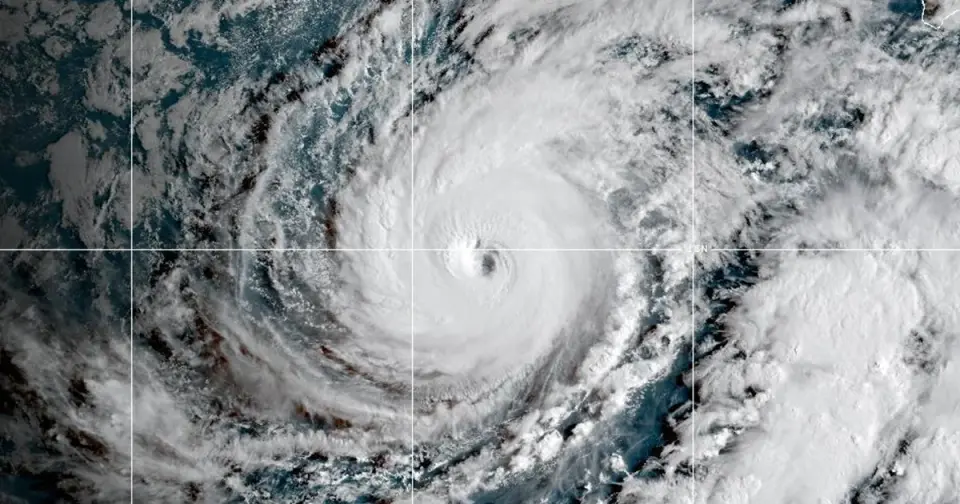
Hurricane Lowell passed west of Kauai and Niihau as a Category 2 storm, bringing high winds, up to 16 inches of rain, and storm surges. The system has since weakened to a tropical storm and moved north, away from the islands. Hawaii faces ongoing flood risks and power outages, compounded by recent storms Lala and Moke. This activity aligns with an intense El Niño season.
Key points
- Lowell passed west of Kauai and Niihau late Monday/early Tuesday, reaching Category 2 strength with 110-115 mph winds.
- Kauai and Niihau received hurricane warnings; Oahu had a tropical storm warning. Wind gusts reached 84 mph in Barking Sands and 79 mph at Lihue Airport.
- Rainfall totals reached up to 16 inches in isolated Kauai locations, with 6-10 inches widespread. Storm surges of 2-4 feet were observed.
- Lowell weakened to a tropical storm by Tuesday night, moving north at 14-15 mph, 310-390 miles from Lihue.
- Hawaii faces ongoing flood risks, power outages, and high surf. Previous storms Lala and Moke left the islands vulnerable to compounding damage.
- The Pacific saw multiple storms (Karina, Marie, Lowell) due to an intense El Niño, while the Atlantic remained historically quiet.
Background
Hawaii had recently been impacted by Tropical Storm Lala (August 2026), which caused over 200,000 power outages and significant flooding, followed by Tropical Storm Moke. Lowell is the latest in a series of Pacific storms fueled by an exceptionally intense El Niño. The Atlantic hurricane season has been historically inactive, with no hurricanes forming by mid-September, a stark contrast to the active Pacific basin.
How outlets are covering it
NBC News emphasized the immediate threat to Kauai and Niihau, highlighting official warnings, resident preparations, and the potential for tornadoes and mudslides. Hawaii News Now focused on the storm's weakening and movement away from Hawaii, noting the downgrade to a tropical storm and ongoing surf risks. Yale Climate Connections provided broader context, detailing Lowell's rapid intensification to Category 5, its historical significance as the first Category 5 in the Central Pacific since 2018, and the contrast with the quiet Atlantic season. All sources agreed on the heavy rainfall and wind impacts but differed in emphasis: NBC on local emergency response, HNN on the storm's departure, and Yale on the climatic and historical context.
Why it matters
Lowell's impact highlights the vulnerability of Hawaii to Pacific storms during El Niño years, with compounding effects from recent storms. The event underscores the need for robust emergency preparedness and infrastructure resilience in the face of increasingly active Pacific hurricane seasons. The contrast with the quiet Atlantic season also illustrates the shifting patterns of tropical cyclone activity due to climate variations.
What to watch
Lowell is expected to continue weakening and moving north, becoming a post-tropical system by next weekend. Hawaii will monitor ongoing flood risks, power outages, and high surf. Residents are advised to maintain emergency supplies and follow local guidance. Forecasters will track the Atlantic for potential late-season development, though current models show little change in the quiet pattern.
- Hurricane Lowell nears Hawaii, prompting warnings for 3 islands NBC News
- Powerful Category 3 Hurricane Lowell track shift could cause rare, direct hit on Hawaiian Islands FOX Weather
- Tornadoes possible as massive category 3 hurricane tracks closer to Hawaii SFGATE
- Hurricane Lowell moving north-northeast, Kauai County now under hurricane warning Hawaii News Now
- Another hurricane to bring torrential rains to Hawaii Yale Climate Connections
Want the full story? Read the original reporting
Read on NBC News