
Iran Confirms Receipt of US Response to Ceasefire Proposal Amid Economic Collapse
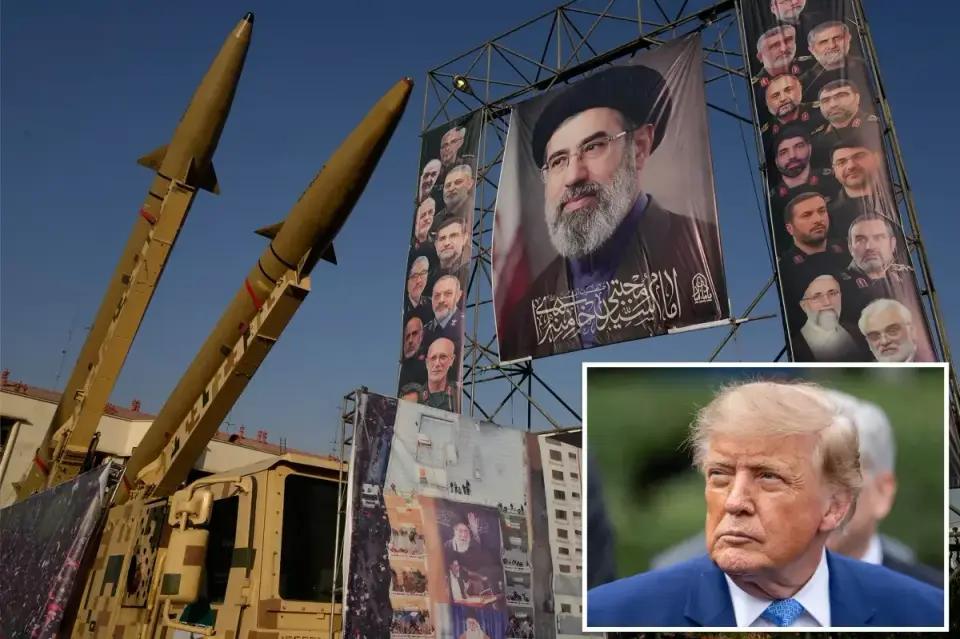
Iranian officials confirmed on September 30 that Tehran has received an official U.S. response to its latest proposal to end the seven-month war, though the content of the reply remains undisclosed. This development follows Foreign Minister Abbas Araghchi’s return from New York, where he engaged in indirect talks with U.S. officials and mediators from Qatar and Pakistan. President Masoud Pezeshkian stated that Iran will strive for a 'win-win' agreement, while President Donald Trump previously rejected the proposal, claiming Iran was 'losing badly.' Concurrently, the U.S. Treasury imposed new sanctions on entities linked to Iran’s military supply chain, and the Iranian rial hit a record low of 2.5 million per dollar, reflecting severe economic strain.
Key points
- Iranian officials indicated they received an official U.S. response to Tehran’s latest peace proposal, but did not disclose whether it was a rejection or acceptance.
- Foreign Minister Abbas Araghchi briefed President Masoud Pezeshkian at a Cabinet meeting after returning from New York, where he held indirect talks with U.S. officials and mediators from Qatar and Pakistan.
- President Pezeshkian emphasized the need for a 'win-win' strategy, while President Trump had previously publicly rejected the proposal, stating Iran was 'losing so badly.'
- The U.S. Treasury Department imposed new sanctions on ten individuals and entities in Iran, Hong Kong, and Pakistan, accusing them of facilitating Iran’s military supply chain.
- The Iranian rial reached a new record low of 2.5 million per U.S. dollar, down from 2.2 million just 27 days earlier, highlighting the severe economic impact of the war and U.S. blockade.
- Medication prices in Iran have more than tripled due to the U.S. blockade and sanctions, exacerbating the humanitarian crisis as the war enters its seventh month.
Background
The current diplomatic exchange follows a series of stalled negotiations and escalating economic pressures. In September 2026, Iran publicly outlined conditions for ending the war via Qatari mediation, including a full ceasefire, release of frozen assets, and lifting of the naval blockade. Prior to this, U.S. political dynamics showed growing opposition to the conflict, with some Iowa Republicans joining Democrats in backing measures to end the war. The prolonged deployment of the USS Abraham Lincoln, which faced severe logistical and mental health challenges, underscored the strain on U.S. military resources. Additionally, earlier incidents, such as the U.S. strike on a wedding in Sirik, had intensified Iranian accusations of war crimes and heightened regional tensions.
Why it matters
The receipt of a U.S. response signals a potential shift in the diplomatic trajectory of the seven-month war, even if the content remains unknown. The simultaneous imposition of new sanctions and the collapse of the Iranian rial illustrate the intensifying economic warfare, which is driving up the cost of essential goods like medicine. This dual approach—diplomatic engagement paired with economic pressure—highlights the complex strategy of both nations as they navigate the conflict, with significant implications for regional stability and global energy markets, particularly regarding the Strait of Hormuz.
What to watch
The next critical step will be the public disclosure or official interpretation of the U.S. response by Iranian authorities. If the response is a rejection, it may lead to further escalation or a return to indirect negotiations through mediators like Qatar and Pakistan. If it contains concessions, it could pave the way for a ceasefire agreement. Meanwhile, the U.S. is likely to continue its 'Operation Economic Outcast' campaign, imposing further sanctions to pressure Iran’s military and economic infrastructure. The economic situation in Iran, including the value of the rial and the availability of medicine, will be closely monitored as indicators of the war’s impact on the civilian population.
Want the full story? Read the original reporting
Read on New York Post