
Iran Resumes Gulf Strikes as U.S. Deploys Third Carrier Amid Economic Squeeze
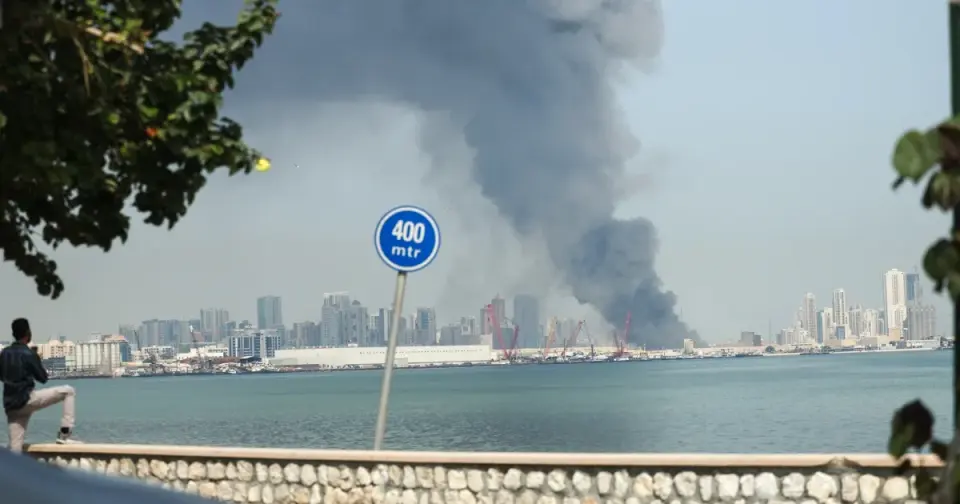
Iran launched its third drone attack on U.S. military targets in Bahrain in a week, ending a two-month lull in hostilities. The strikes, which targeted radar systems, were intercepted by Bahraini defenses with no reported damage. Simultaneously, the U.S. deployed the USS Theodore Roosevelt, adding a third aircraft carrier to the region. This escalation occurs as Tehran faces severe economic pressure from a U.S. blockade and stalled peace negotiations, while Iran continues to disrupt shipping in the Strait of Hormuz.
Key points
- Iran fired drones at U.S. radar facilities in Bahrain on Tuesday, marking the third attack in seven days.
- Bahrain reported successful interception of the drones, with no injuries or significant damage.
- The U.S. Central Command confirmed the arrival of the USS Theodore Roosevelt, joining two other carriers in the region.
- Iran’s Revolutionary Guard Corps stated the strikes were retaliation for U.S. drone surveillance and airspace violations.
- Multiple oil tankers reported hitting mines or fires in the Strait of Hormuz, though independent verification is limited.
- Negotiations to end the nine-month conflict have stalled, with Iran demanding sanctions relief and the U.S. maintaining economic pressure.
Background
The current conflict began nearly nine months ago with joint U.S. and Israeli strikes on Iran. Since then, the region has experienced a 'no war, no peace' stalemate, characterized by intermittent skirmishes and a U.S. naval blockade. Previous archive coverage highlights that Iran has been under intense economic strain, with fuel shortages and currency devaluation, while the U.S. has opted for a strategy of sustained pressure rather than immediate military escalation. Diplomatic efforts by Qatar, Oman, and Pakistan have failed to yield a breakthrough, leading to a fragile equilibrium that is now being tested by renewed Iranian aggression.
How outlets are covering it
Outlets differ on the strategic implications of the recent strikes. NBC News and CNN emphasize the U.S. military buildup, noting that the addition of the USS Theodore Roosevelt significantly increases offensive firepower and missile interception capacity. CNN highlights the economic angle, suggesting Iran is escalating to force a resolution as its economy suffers under the blockade. In contrast, Al Jazeera focuses on the broader regional instability, including Houthi advances in Yemen and unverified claims of drone shoot-downs over the Strait of Hormuz. CBS News underscores the diplomatic deadlock, noting that while Qatar calls for restraint, Iran’s foreign minister refuses to discuss nuclear concessions, and the U.S. maintains an ambiguous stance on resuming full-scale attacks. Analysts cited by NBC and CNN suggest that the risk of renewed war now depends on whether Tehran decides that the cost of continued restraint exceeds the risks of escalation.
Why it matters
The resumption of strikes signals a potential breakdown in the fragile ceasefire, threatening to reignite a full-scale regional war. The U.S. deployment of a third carrier indicates a shift toward a more robust military posture, while Iran’s continued disruption of the Strait of Hormuz poses risks to global energy supplies. The economic pressure on Iran may force a compromise, but the lack of diplomatic progress and the belligerent tone from Tehran suggest that the region remains on a volatile path toward further conflict.
What to watch
Analysts expect continued tension as the U.S. evaluates whether to resume all-out attacks or intensify the blockade. Iran may further escalate if it perceives the economic pressure as unsustainable. Diplomatic efforts by mediators like Qatar and Oman will likely continue, but success is uncertain given the hardline positions of both Washington and Tehran. The situation in the Strait of Hormuz will remain a focal point, with potential for more shipping incidents to disrupt global oil flows.
- A 2-month lull ends with Iran’s third strike on U.S. targets in Bahrain NBC News
- Iran war live: CENTCOM denies IRGC claim US radar hit at Bahrain airbase Al Jazeera
- Iran raises stakes with new drone attacks as Trump signals a waiting game CNN
- Live Updates: Iran claims new attack on U.S. radar system in Bahrain and says tanker hit near Strait of Hormuz CBS News
- Bahrain says it intercepts Iranian air attacks, IRGC says it targets US radar Reuters
Want the full story? Read the original reporting
Read on NBC News