
Trump, Putin, and Xi to Hold Unprecedented Trilateral Summit in Shenzhen Amid Skepticism
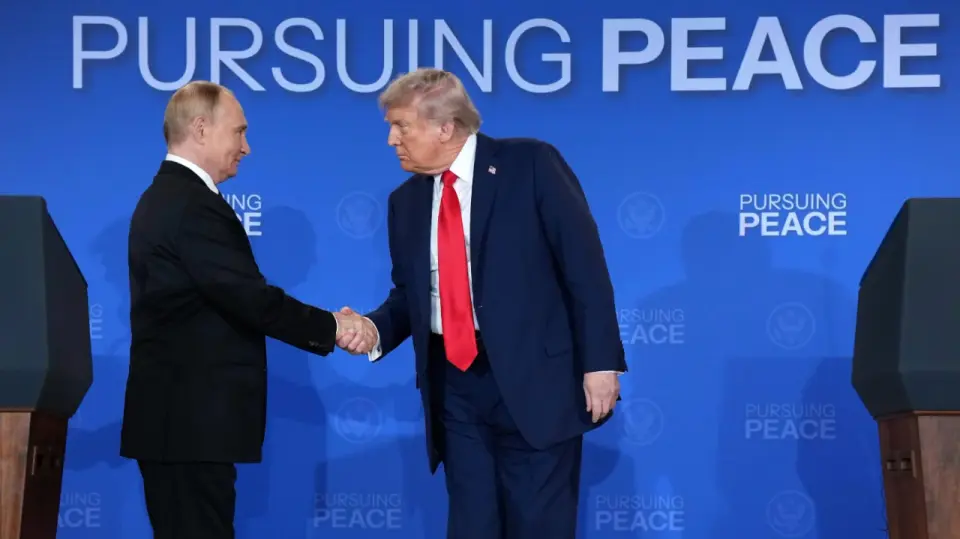
President Donald Trump is set to meet with Russian President Vladimir Putin and Chinese President Xi Jinping in Shenzhen, China, on Wednesday. The trilateral summit, held on the sidelines of the Asia-Pacific Economic Cooperation (APEC) forum, is described as unprecedented for a sitting U.S. president. While Trump hopes to discuss Ukraine, Iran, and nuclear denuclearization, officials and experts expect no concrete agreements. Critics compare the gathering to the 1945 Yalta Conference, warning it may marginalize smaller nations and undermine U.S. alliances.
Key points
- The summit is scheduled for Wednesday in Shenzhen, China, during the APEC forum.
- A senior U.S. official stated that no agreements are expected, calling the meeting a baseline for future talks.
- Trump aims to discuss the Russia-Ukraine war, the U.S.-Iran conflict, and nuclear nonproliferation.
- Critics warn the meeting signals a shift toward great-power dominance, excluding affected nations from discussions.
- The U.S. is simultaneously holding a Quad meeting in Manila, highlighting a divergence in regional security strategies.
Background
This meeting follows months of speculation and domestic political friction, including warnings from some Republicans that such a summit could destabilize the party. It also occurs amid a recent midterm election defeat for Republicans and ongoing tensions regarding U.S. support for Ukraine and relations with China. Previous bilateral meetings between Trump and Putin in Alaska, and multiple meetings with Xi, yielded limited progress on trade or security issues.
How outlets are covering it
The Hill and The New York Times emphasize the symbolic and potentially damaging nature of the summit, comparing it to the Yalta Conference and noting that it may embolden adversaries while alienating U.S. allies. The Hill highlights the lack of progress on denuclearization and the U.S. shift toward Russian positions on Ukraine. The New York Times argues the meeting is an 'ego trip' that ignores the deepening Russia-China partnership, which actively undermines U.S. interests in Ukraine, Iran, and the Pacific. NBC News notes the logistical context of the APEC forum and the complications arising from the Nvidia security scandal, which may strain U.S.-China bilateral talks. Bloomberg focuses on the broader regional instability in Asia, suggesting that such summits are insufficient to address the region's polycrisis, including energy security and maritime dominance. All sources agree that concrete outcomes are unlikely, but they differ on whether the meeting is a diplomatic failure or a necessary, if flawed, step toward stability.
Why it matters
The summit represents a significant shift in U.S. foreign policy, potentially signaling a move away from traditional multilateral alliances like the Quad and G7 toward a trilateral great-power framework. It could legitimize the Russia-China partnership and marginalize smaller nations in global security discussions. The outcome, or lack thereof, will influence U.S. credibility with allies in Europe and Asia, and may affect ongoing conflicts in Ukraine and the Middle East.
What to watch
The summit is expected to conclude with no formal agreements, but may set the tone for future bilateral and multilateral negotiations. Trump will also attend a Quad meeting in Manila, where he will meet with leaders from Japan, India, and Australia. The U.S. may continue to pressure China on nuclear transparency, while Russia and China may use the summit to reinforce their strategic partnership. The lack of progress on Ukraine and Iran may lead to continued U.S. support for Kyiv and sustained pressure on Tehran, despite diplomatic overtures.
- What Trump, Putin and Xi want from superpower summit The Hill
- Chip tensions loom over Trump-Xi summit, as US and China push AI safety steps Reuters
- Trump’s unprecedented trilateral meeting in Asia and what’s with all the tech glitches?: Morning Rundown NBC News
- Opinion | Trump’s Ego Trip With Xi and Putin Will End Badly The New York Times
- A Photo Shoot Won't Solve Asia's Polycrisis Bloomberg.com
Want the full story? Read the original reporting
Read on The Hill