
Two Workers Survive Nine Days in Nepal Flood-Buried Tunnel
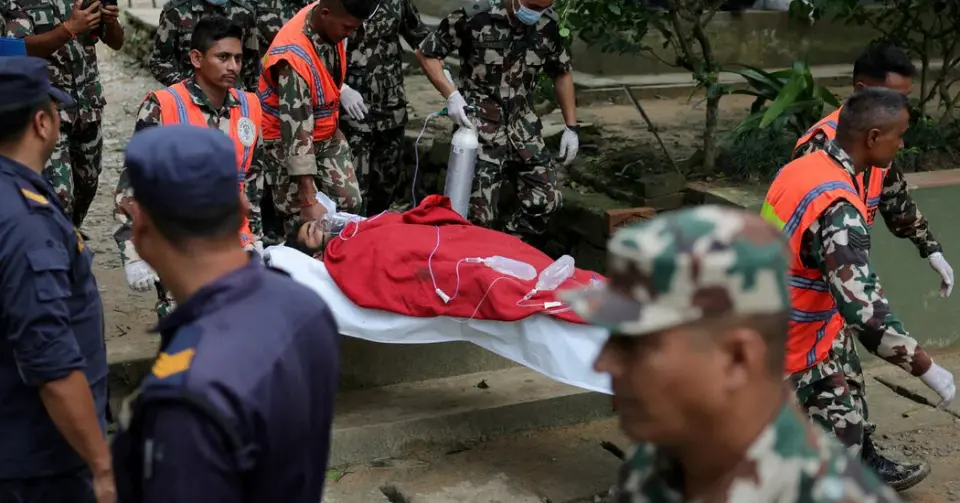
Two workers were rescued alive from a hydropower tunnel in Nepal nine days after a glacial collapse triggered catastrophic floods. The survivors, Sanjay Sah and Kabir Maharjan, were pulled from 170 meters underground at the Upper Trishuli 3A site. While the death toll exceeds 1,300, thousands remain missing, and rescue teams continue searching for others trapped in tunnels.
Key points
- Sanjay Sah and Kabir Maharjan were rescued from the Upper Trishuli 3A hydropower project on September 4, 2026, nine days after the disaster began.
- The flood, triggered by a glacial collapse on the Nepal-Tibet border, killed at least 1,287 people in Nepal and 21 in Tibet, with over 4,700 people missing.
- Sah, a foreman, stated he remained behind to warn others, chanting mantras in the darkness until his rescue.
- Rescuers heard voices from inside the tunnel, confirming more people may still be alive, though access remains blocked by mud and debris.
- Families in Kathmandu are performing symbolic cremations for missing relatives as the mourning period approaches its 13-day limit.
Background
The disaster began on August 26, 2026, when a glacial collapse sent a tsunami of water, rock, and debris through the Trishuli and Bhotekoshi river valleys. Previous coverage noted that rescue efforts had stalled due to inaccessible roads and buried infrastructure, with international teams from India and China assisting in clearing debris. The Upper Trishuli 3A project, a major hydropower site, was among the hardest hit, with hundreds of workers believed trapped in its tunnels.
How outlets are covering it
The New York Times emphasized the emotional toll on families, detailing symbolic cremations at Pashupatinath Temple for missing relatives. The Guardian focused on the technical challenges of the rescue, noting that it took six days to locate the tunnel entrances. ABC News highlighted the broader international response, including the mobilization of 21,500 security personnel and the status of American citizens in the region. The Times of India highlighted the spiritual aspect of the rescue, noting Sah’s chanting of the 'Hare Krishna' mantra during his nine-day ordeal. All sources agree on the core facts of the rescue but differ in emphasis, with some focusing on the human tragedy and others on the logistical and diplomatic dimensions of the disaster response.
Why it matters
The rescue of Sah and Maharjan offers a rare glimmer of hope in a catastrophic disaster that has killed over 1,300 people and left thousands missing. It underscores the severe risks faced by workers in Nepal’s hydropower sector and the critical importance of international aid in such remote, disaster-stricken regions. The ongoing search for more survivors in the tunnels highlights the scale of the infrastructure damage and the urgent need for continued rescue operations.
What to watch
Rescue teams will continue to search for more survivors in the Trishuli 3A tunnel and other hydropower sites. Authorities are focusing on clearing debris to access deeper parts of the tunnels where more people may be trapped. The Nepali government is shifting its focus toward rehabilitation and recovery as the immediate rescue phase winds down, though the search for the missing will continue for weeks.
- 2 Are Found Alive in Nepal Tunnel 9 Days After Deadly Flood: Live Updates The New York Times
- Inside the Nepal Tunnel Rescue Operation The New York Times
- Nepal-Tibet floods: two workers pulled alive from tunnel nine days after disaster The Guardian
- 2 people rescued alive from tunnel after deadly Nepal-Tibet flash flood ABC News - Breaking News, Latest News and Videos
- 'I chanted Hare Krishna for 9 days': Nepal worker rescued from tunnel on Janmashtami timesofindia.indiatimes.com
Want the full story? Read the original reporting
Read on The New York Times