
Record $4.6M Bid Marks Peak Congestion at Panama Canal Amid El Niño and Conflict
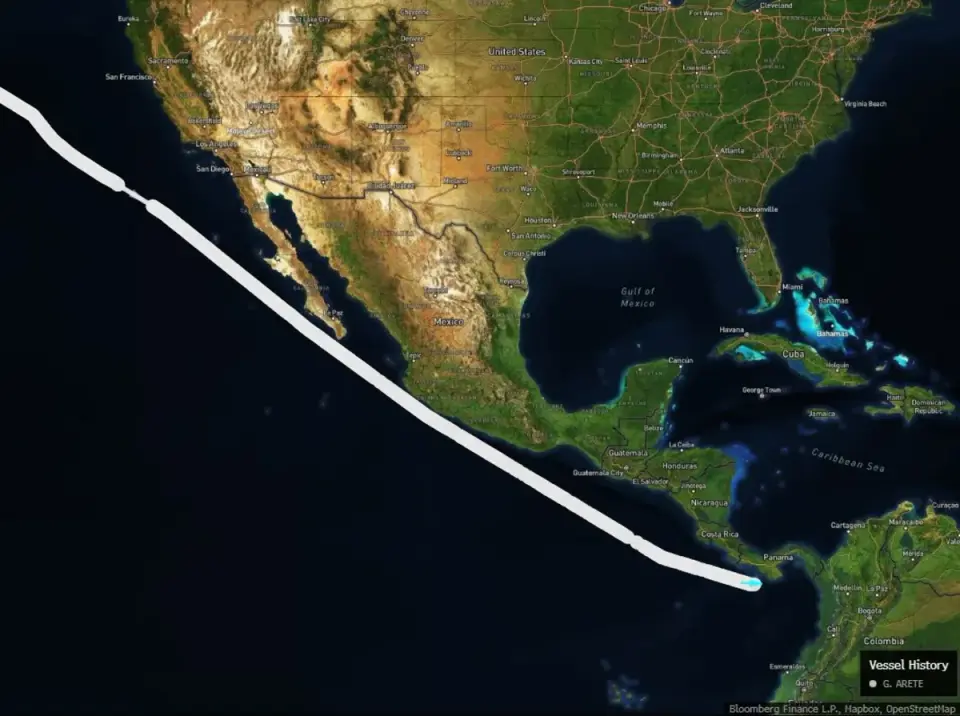
A container ship paid a record $4.6 million to bypass a queue at the Panama Canal, reflecting severe congestion driven by El Niño drought and Middle East conflict. Wait times have reached 10 days, and auction prices have surged 16-fold compared to last year. The Panama Canal Authority is restricting drafts and transits as water levels in Gatun Lake fall, forcing shippers to pay premium fees or reroute cargo.
Key points
- The Seaspan Benefactor paid $4.6 million to jump the queue, a price more than double the recent average bid.
- Average wait times for non-booked vessels have reached 10 days, the highest since May.
- Auction prices for Neopanamax slots have surged 16-fold compared to the same period last year.
- The Panama Canal Authority is reducing draft limits and suspending close-in auction slots due to low water levels.
- Gatun Lake water levels are projected to drop further by mid-October, potentially limiting daily transits.
Background
This escalation follows earlier reports in August 2026 of record transit fees and rising queues, which were attributed to El Niño-induced drought and disruptions from the Iran war. Previous coverage noted that average auction prices had already exceeded $1 million, with some slots fetching up to $3.78 million. The current situation represents a peak in this trend, with the Panama Canal Authority implementing stricter water management measures similar to those used during the 2023-2024 drought.
How outlets are covering it
The Maritime Executive and The Guardian emphasize the role of El Niño and Middle East conflict in driving up prices and wait times, noting that the $4.6 million bid is a symptom of broader systemic strain. Flexport highlights the operational impact on container shipping, arguing that the high bid reflects the cost of maintaining fixed rotation schedules rather than mere convenience. Yahoo Finance, while primarily a financial data source, corroborates the market volatility by listing the Seaspan Benefactor’s owner, Ocean Network Express, in its trending tickers, though it does not provide specific details on the bid. All sources agree that the Panama Canal Authority’s draft restrictions and transit caps are key factors in the current crisis.
Why it matters
The record bid and rising costs at the Panama Canal signal a significant disruption to global trade routes, particularly for energy and container cargo moving between Asia and the US. As water levels fall and conflict diverts traffic, shippers face higher costs and longer delays, which could impact supply chains and consumer prices. The situation underscores the vulnerability of critical maritime chokepoints to climate and geopolitical shocks.
What to watch
The Panama Canal Authority is expected to implement further draft restrictions and potentially cap daily transits in September if water levels continue to fall. Shippers may need to reroute cargo or accept higher costs to maintain schedules. Monitoring of Gatun Lake water levels and auction slot availability will be critical in the coming weeks.
- Panama Canal Traffic Spurs $4.6 Million Payment for a Crossing Yahoo Finance
- Panama Canal Auction Prices Soar as Wait Builds and Water Level Falls The Maritime Executive
- Panama canal fees soar due to Iran war and El Niño as ship ‘pays $4m to jump queue’ The Guardian
- Supertanker Pays $4.6 Million to Skip Panama Canal Line Bloomberg.com
- The $4 Million Fast Pass Through the Panama Canal Flexport
Want the full story? Read the original reporting
Read on Yahoo Finance