
Houthi Strikes Force Saudi Arabia to Cancel 2026 Investment Summit
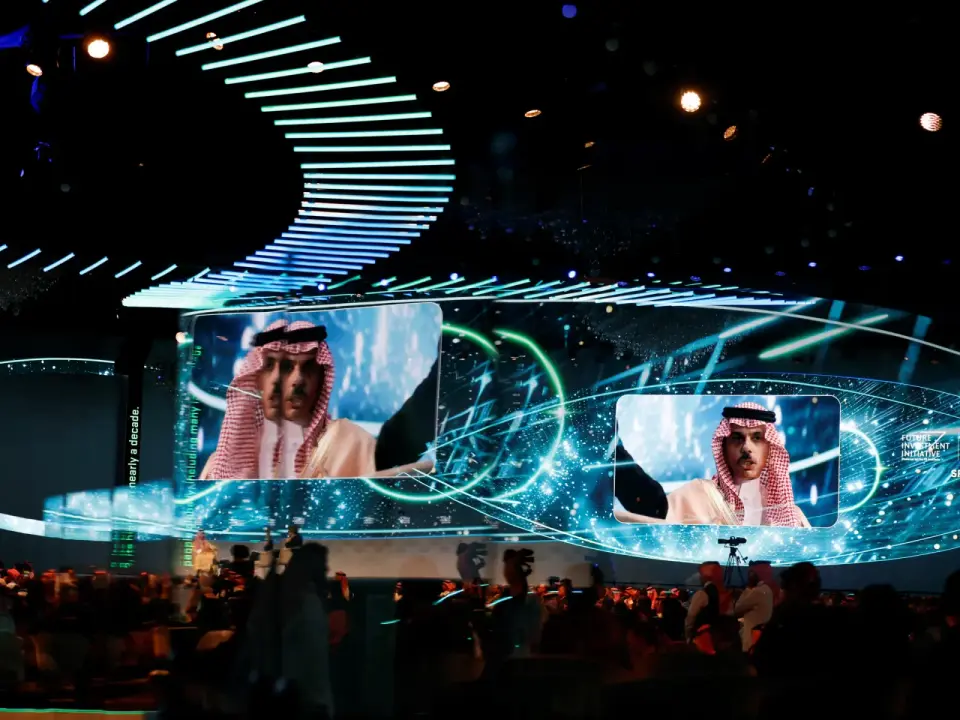
Saudi Arabia has postponed its flagship Future Investment Initiative (FII) conference, informally known as 'Davos in the Desert,' from late October 2026 to an unspecified date in 2027. The decision follows a surge in deadly missile and drone attacks by Iran-backed Houthi militants against Saudi infrastructure, including a strike on Riyadh’s King Khalid International Airport that killed at least 12 people. The cancellation disrupts the kingdom’s efforts to attract global capital and diversify its economy away from oil, with major Wall Street executives scheduled to speak at the event.
Key points
- The Future Investment Initiative (FII), scheduled for October 26-29, 2026, has been postponed to 2027 due to escalating Houthi attacks on Saudi Arabia.
- The decision was announced by the FII Institute, with CEO Dr. Maha Bint Mishari Al Saud stating the move ensures the 'milestone tenth edition' delivers the expected quality and impact.
- Houthi militants have launched repeated missile and drone strikes on Saudi infrastructure, including a deadly attack on King Khalid International Airport in Riyadh that killed at least 12 people and injured hundreds.
- Major global financial leaders, including JPMorgan’s Jamie Dimon, Goldman Sachs’ David Solomon, BlackRock’s Larry Fink, and Citigroup’s Jane Fraser, were scheduled to speak at the conference.
- The cancellation underscores the security risks facing Saudi Arabia’s economic diversification plans, which aim to reduce reliance on oil and attract foreign investment in sectors like tourism, sport, and technology.
Background
The Future Investment Initiative (FII) was launched in 2017 by Saudi Arabia’s sovereign wealth fund and has become a central platform for the kingdom’s economic transformation. Crown Prince Mohammed bin Salman unveiled the megaproject NEOM at the first FII conference in 2017. The event has been a key tool for attracting billions of dollars in investment to fund Saudi Arabia’s shift away from hydrocarbons. The 2026 edition was expected to be a landmark tenth anniversary event, highlighting the kingdom’s growing role on the global stage.
How outlets are covering it
Al Jazeera, CNN, The New York Times, and CNBC all report on the postponement of the FII conference, attributing it to the deteriorating security situation caused by Houthi attacks. Al Jazeera and CNN emphasize the impact on Saudi Arabia’s economic ambitions and the cancellation of a major event that showcases the kingdom’s financial muscle. The New York Times focuses on how the missile and drone strikes jeopardize Saudi Arabia’s economic diversification plans. CNBC highlights the security risks and the logistical challenges faced by participants, noting that some planned to travel via Bahrain and then drive to Riyadh. All sources agree that the cancellation is a significant setback for Saudi Arabia’s efforts to attract global capital and diversify its economy.
Why it matters
The cancellation of the FII conference signals a major disruption to Saudi Arabia’s economic diversification strategy, which aims to reduce reliance on oil and attract foreign investment. The event was a key platform for showcasing the kingdom’s ambitious projects and attracting billions of dollars in capital. The security risks posed by Houthi attacks undermine decades of efforts to attract Western capital to the Middle East and may herald a period of investment uncertainty for the region. The postponement also highlights the broader geopolitical tensions in the Middle East, as the U.S.-Iran conflict spreads across the region.
What to watch
The FII Institute has stated that new dates for the 2027 conference will be announced 'very soon.' All registrations and partnerships for the 2026 event remain valid. Saudi Arabia’s military has been intercepting Houthi drones and missiles, including one heading toward the port city and oil terminal Yanbu. The kingdom’s government agencies have ordered staff to work from home in Riyadh due to the repeated attacks. The security situation in the Middle East remains volatile, with the U.S.-Iran war spreading across the region.
- Saudi Arabia cancels 2026 ‘Davos in the Desert’ amid Houthi attacks Al Jazeera
- Saudi Arabia cancels next week’s ‘Davos in the Desert’ conference after series of Houthi attacks CNN
- The Frantic 24 Hours Before Saudi Arabia Pulled the Plug on FII Bloomberg.com
- Saudi Arabia Postpones Its FII Investment Event After Houthi Attacks The New York Times
- Saudi Arabia postpones big investor conference to 2027 as Iran-backed Houthis escalate attacks on kingdom CNBC
Want the full story? Read the original reporting
Read on Al Jazeera