
Sanrio Severs Vivant Tie-Up After Chinese State Media Condemns Spy Drama
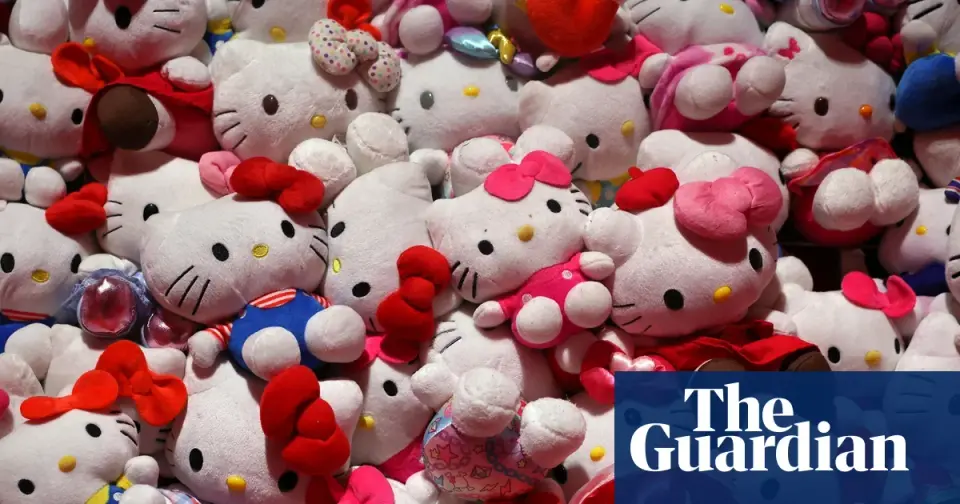
Sanrio, the creator of Hello Kitty, has terminated its commercial partnership with the Japanese spy drama 'Vivant' following intense backlash in China. Chinese state media and netizens condemned the show’s second season for depicting Chinese agents torturing Japanese spies using methods they claimed mirrored historical Japanese atrocities against Chinese civilians during World War II. The incident highlights the fragility of commercial ties amid deepening diplomatic tensions between Beijing and Tokyo, particularly regarding Taiwan and historical memory.
Key points
- Sanrio ended its collaboration with TBS’s 'Vivant' after Chinese state media, including the Global Times, labeled the show’s torture scenes as 'deliberate smears' against China.
- The drama’s second season features a Chinese agent cutting off a Japanese officer’s fingers and stabbing him, which Chinese outlets compared to wartime Japanese crimes against Chinese civilians.
- Sanrio apologized on Weibo, stating the content was inconsistent with its core values of care and harmony, and pledged to strengthen review processes for future partnerships.
- China is a critical market for Sanrio, which generated 781 million yuan ($117 million) in revenue there in the first half of 2026, up 40% year-on-year.
- The incident follows a similar backlash against footballer Kylian Mbappé, who was dropped by Chinese brands after referring to Mao Zedong as a 'dictator'.
Background
This dispute occurs against a backdrop of severe diplomatic friction between Japan and China, triggered by Prime Minister Sanae Takaichi’s comments last year that a Chinese attack on Taiwan could trigger Japanese military involvement. Relations have deteriorated further, with China restricting rare earth exports and urging citizens not to travel to Japan. While some analysts suggest a potential diplomatic thaw at the upcoming Apec forum, others note that Takaichi’s anti-China stance remains popular domestically, complicating any de-escalation efforts.
How outlets are covering it
The Guardian and NBC News emphasize the commercial impact and the immediate corporate response, noting Sanrio’s significant revenue from China and the parallel backlash against Kylian Mbappé. The Financial Times frames the incident within the broader diplomatic standoff, highlighting the risk to a potential Xi-Takaichi meeting at Apec and the deep-seated historical grievances. Esquire focuses on the cultural sensitivity, noting how even children’s brands can trigger international outrage. All sources agree on the facts of the termination but differ in emphasis: The Guardian and NBC highlight the economic stakes, while the FT and Esquire focus on the diplomatic and cultural implications.
Why it matters
The incident underscores how cultural and historical sensitivities can disrupt commercial relationships in East Asia, particularly for Japanese brands reliant on the Chinese market. It also reflects the broader trend of Chinese state media and netizens holding foreign entities accountable for perceived disrespect, a pattern seen in previous cases involving brands like H&M and Dolce & Gabbana.
What to watch
Sanrio has stated it will strengthen its review processes for future collaborations. The diplomatic situation between Japan and China remains tense, with no clear signs of de-escalation, though some analysts suggest a potential meeting at Apec could signal a thaw. The impact on Sanrio’s Chinese sales and the broader Japanese-Chinese trade relationship will be closely monitored.
- Hello Kitty company cuts ties with Japanese spy show after China outcry The Guardian
- How a Japanese Spy Drama Became the Target of China’s Anger The New York Times
- Hello Kitty maker Sanrio cuts ties with TV spy show after China backlash NBC News
- Turns Out, Even Children’s Toys Can Set Off International Outrage Esquire
- Hello Kitty gets caught up in Japan-China spat Financial Times
Want the full story? Read the original reporting
Read on The Guardian