
Bahamas leverages quiet Atlantic season to deploy hurricane-proof microgrids
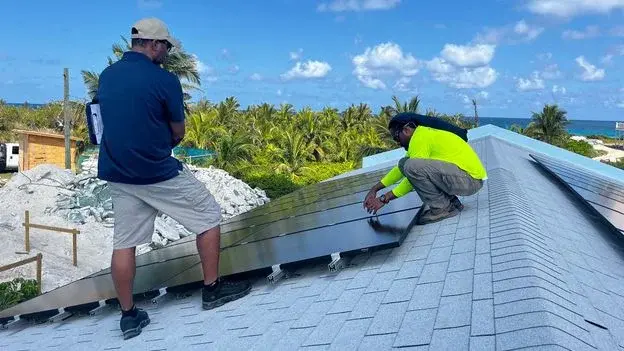
The Bahamas is using the unusually quiet 2026 Atlantic hurricane season to accelerate its transition from fossil fuels to resilient renewable microgrids. Following the devastation of Hurricane Dorian, the nation is replacing centralized diesel-dependent infrastructure with localized solar and battery systems. These new grids, designed to withstand extreme winds and operate independently during outages, aim to reduce energy costs and improve reliability for schools, clinics, and communities across the islands.
Key points
- The 2026 Atlantic hurricane season has been exceptionally quiet due to the strongest El Niño on record, providing Caribbean nations with a critical window to prepare for future storms.
- Hurricane Dorian in 2019 caused damages equivalent to 25% of the Bahamas' GDP, killing 74 people and leaving 70,000 homeless, which prompted a shift away from the old diesel grid.
- Microgrid projects on Abaco now supply 90% of energy to three schools using solar panels and battery storage, ensuring uninterrupted power during outages.
- EA Energy is building a hybrid microgrid on Abaco that integrates solar, battery storage, and natural gas, designed to withstand 200mph winds and power 2,000 to 3,000 households by 2027.
- The strategy relies on 'islanding,' allowing local grids to disconnect from damaged national lines and continue operating independently during severe weather events.
Background
The Bahamas has faced three major hurricanes in the past decade, with Hurricane Dorian being the most powerful to hit the region since records began. Prior to this transition, the country relied heavily on imported diesel, leading to some of the world's highest energy bills and frequent outages. This shift follows a broader regional trend where small island nations use their smaller scale to leapfrog to modern energy systems, avoiding the complex infrastructure upgrades required by larger developed countries.
Why it matters
This transition demonstrates how small island nations can use periods of climatic calm to build long-term resilience against increasingly intense storms. By decentralizing energy production, the Bahamas reduces its vulnerability to supply chain disruptions and high fuel costs, while creating local jobs and ensuring critical services like schools and hospitals remain operational during disasters.
What to watch
The new hybrid microgrid on Abaco is scheduled to come online in May 2027. Meanwhile, two additional microgrids are in development to power medical clinics and a government complex. The success of these projects will serve as a model for other Caribbean nations, including Dominica and Puerto Rico, which are also investing in renewable energy and microgrid infrastructure to enhance climate resilience.
Want the full story? Read the original reporting
Read on BBC