
Record Danube Drought Exposes Roman Ruins, WWII Wrecks, and Energy Crisis
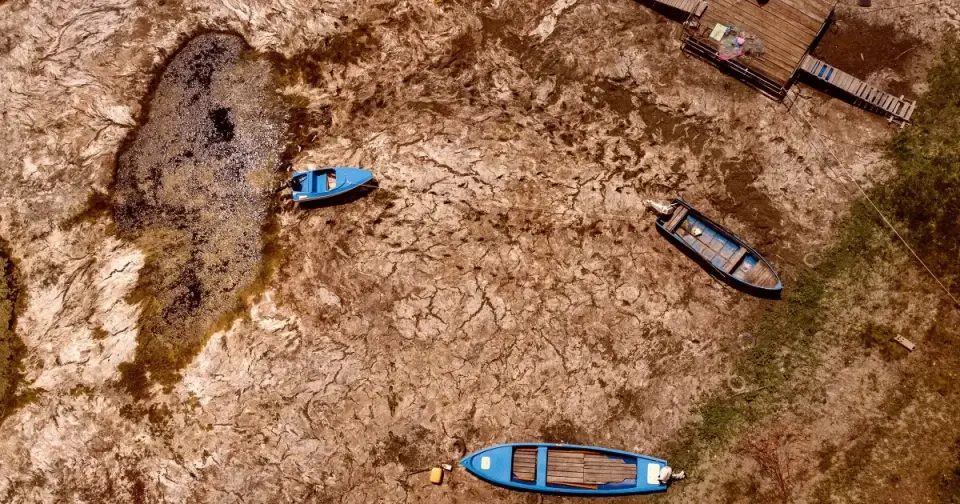
Extreme heat and drought have pushed the Danube River to record lows, exposing ancient ruins, World War II shipwrecks, and mammoth remains. The crisis has forced Hungary to shut down its Paks Nuclear Power Plant, threatening energy security across Europe.
Key points
- The Danube’s water levels have dropped to unprecedented lows, with Budapest measuring just 9 inches, shattering the 2013 record of 13 inches.
- Ancient ruins, including the 1,700-year-old Constantine Bridge in Bulgaria, have surfaced, allowing archaeologists to document the structure for the first time in centuries.
- World War II relics, including German warships scuttled in 1944 and a 1937 cargo ship, have emerged from the riverbed in Serbia, Croatia, and Hungary.
- Hungary has shut down the Paks Nuclear Power Plant, which produces nearly half the country’s electricity, due to insufficient cooling water, potentially triggering an energy crisis.
- Scientists attribute the severe drought to the human-driven climate crisis, warning that such extreme heat and dry conditions will become more frequent without rapid fossil fuel reductions.
Background
This event follows a broader pattern of extreme drought across Europe, as noted in earlier coverage of the Danube and other major rivers. In August 2026, similar conditions exposed WWII ships and mammoth fossils in Romania, while the Colorado River basin in the US faced its own historic low at Lake Mead. The current crisis is part of a wider trend of climate-driven water scarcity affecting energy, shipping, and agriculture across the continent.
How outlets are covering it
Futurism emphasizes the archaeological significance of the exposed Roman bridge, highlighting the unique opportunity for researchers to study the structure. The Guardian focuses on the historical and military implications of the exposed WWII shipwrecks, noting that many remain in place due to unexploded explosives. CNN provides a broader perspective, linking the drought to immediate energy and economic consequences, such as the shutdown of the Paks Nuclear Power Plant and disruptions to shipping and tourism. All sources agree that the drought is a result of the human-driven climate crisis, but they differ in their emphasis on the cultural, historical, and practical impacts.
Why it matters
The drought is not just a historical curiosity; it is a direct threat to Europe’s energy security and economic stability. The shutdown of the Paks Nuclear Power Plant could lead to an energy crisis, while disruptions to shipping and tourism are already affecting livelihoods. The event underscores the urgent need for climate action to prevent such extreme conditions from becoming the norm.
What to watch
No significant rain is forecast for the region in the coming days, meaning the drought and its consequences are likely to persist. Authorities will continue to monitor water levels and manage the energy crisis, while researchers will take advantage of the exposed ruins and relics for further study. Long-term solutions will require rapid reductions in fossil fuel emissions to mitigate the worsening climate crisis.
- Droughts Are Getting So Intense That Ancient Ruins Are Beginning to Surface From Dried Up Rivers Futurism
- A Drying Danube River Reveals Nazi-Era Vessels, and Hazards of Heat The New York Times
- Nazi shipwrecks emerge from the depths as Europe’s Danube dries up The Guardian
- Low Danube water levels in Bulgaria expose Roman-era bridge Reuters
- Ancient mammoth remains and a Nazi shipwreck: Europe’s shrinking rivers reveal past relics CNN
Want the full story? Read the original reporting
Read on Futurism