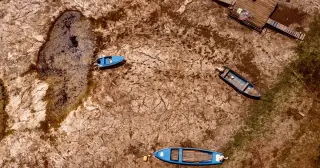
Extreme heat and drought have pushed the Danube River to record lows, exposing ancient ruins, World War II shipwrecks, and mammoth remains. The crisis has forced Hungary to shut down its Paks Nuclear Power Plant, threatening energy security across Europe.
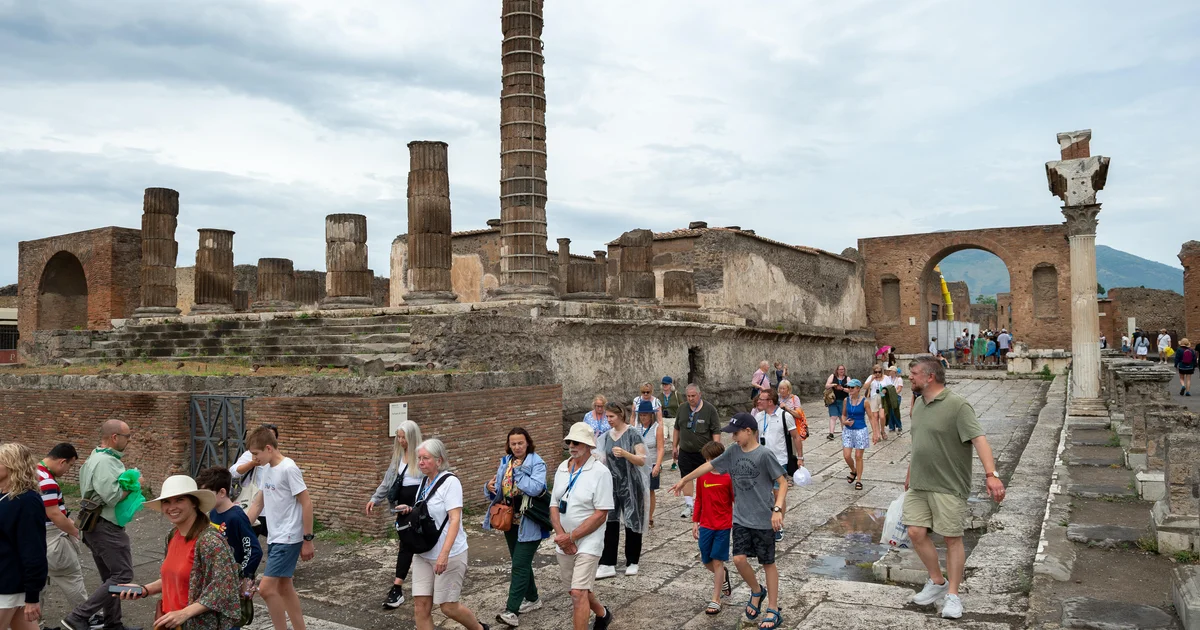
New archaeological evidence suggests that after the catastrophic eruption of Mount Vesuvius in 79 AD, some survivors and others seeking valuables reoccupied Pompeii in precarious conditions, forming an informal settlement that persisted until the fifth century, revealing a more complex post-eruption history than previously understood.
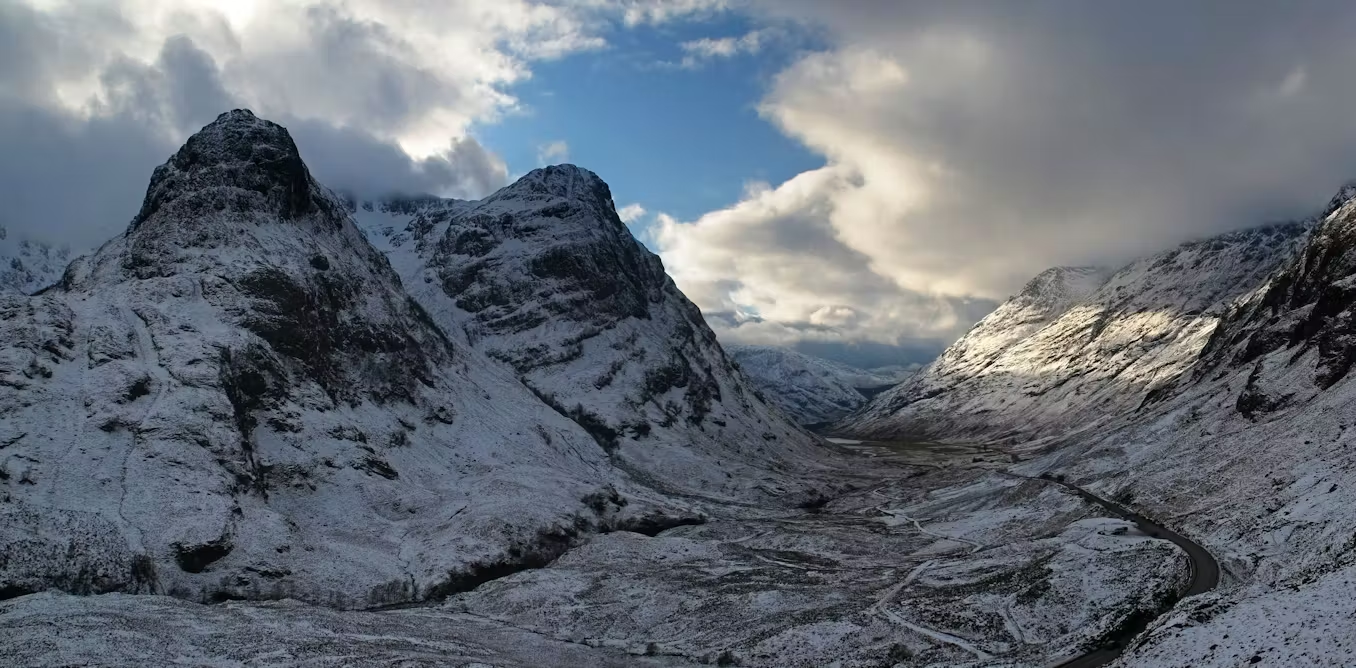
Recent archaeological discoveries in Glen Coe have provided new insights into the lives of the MacDonald clan, who were famously massacred in 1692. These findings offer a deeper understanding of the historical context and daily life of the clan before the tragic event.
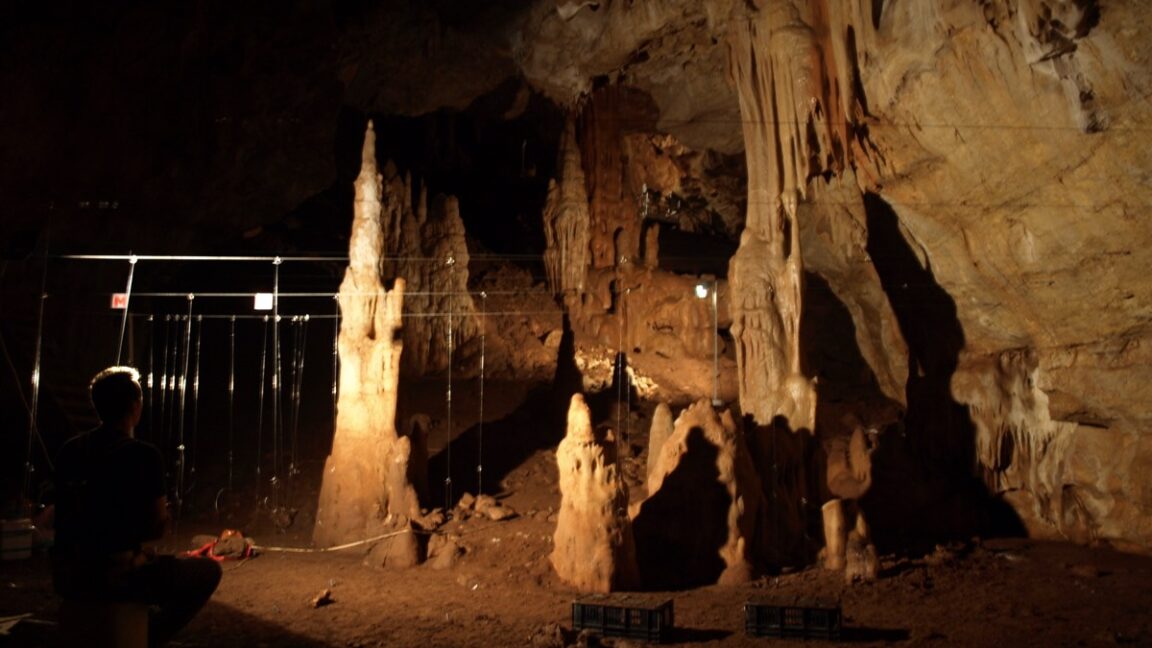
Archaeologists have discovered that a deep-cave compound in Manot Cave, Galilee, Israel, likely served as a site for ritualistic gatherings during the Early Upper Paleolithic period. The cave, accidentally uncovered in 2008, contains a symbolically carved boulder and torch remains, suggesting ritual use. The site also yielded a significant human skull with both Neanderthal and modern features, supporting theories of co-existence and interbreeding between the two species. The cave's unique acoustics and lack of daily activity evidence further indicate its ritualistic purpose.
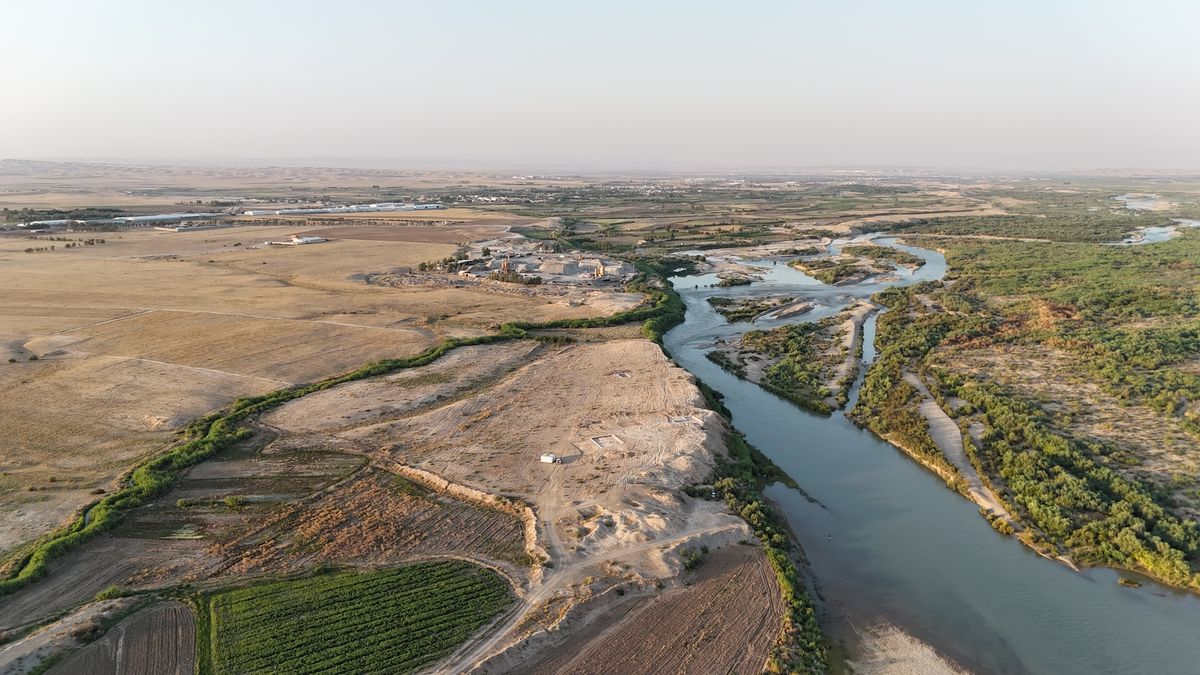
Excavations at the Shakhi Kora site in northeastern Iraq have uncovered artifacts from the fifth millennium B.C., suggesting the presence of one of the world's earliest government institutions. The discovery of numerous clay bowls, likely used to distribute food in exchange for labor, indicates a form of centralized authority in ancient Mesopotamia. However, the site was abandoned without signs of violence or environmental stress, possibly reflecting a rejection of centralized power. This finding challenges the notion that hierarchical governance was inevitable in early complex societies.
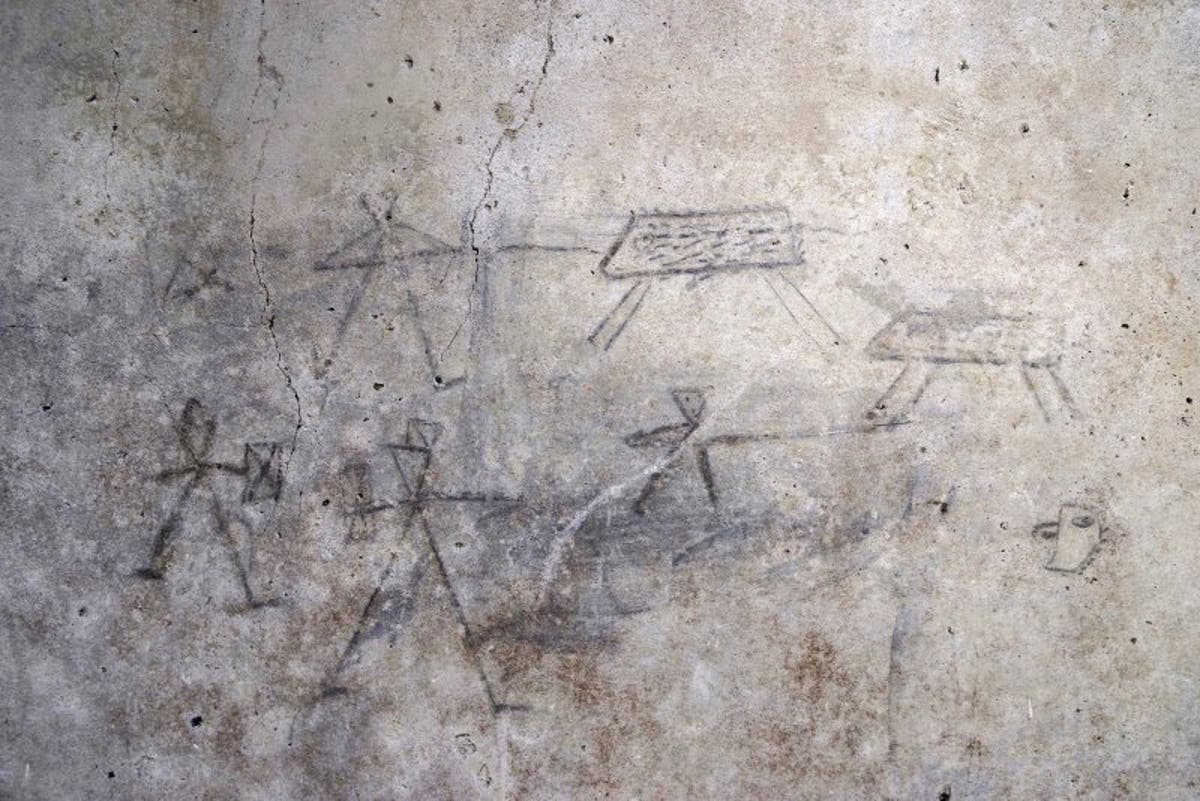
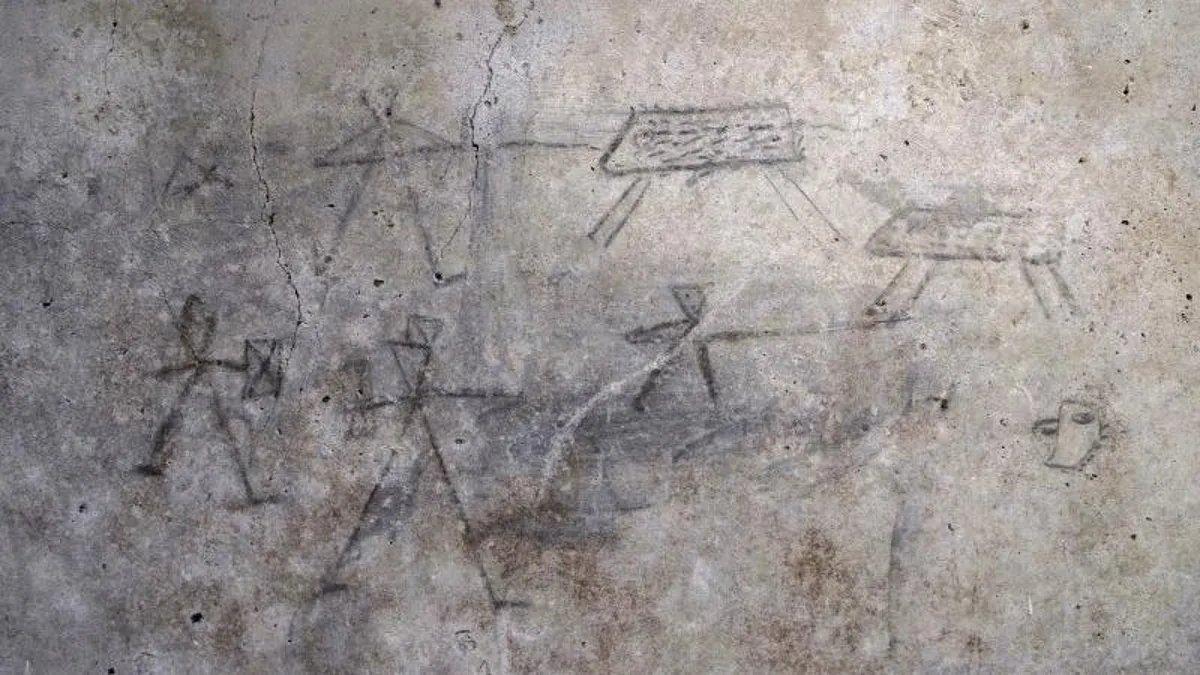
Archaeologists in Pompeii have discovered charcoal sketches by children, depicting violent scenes such as gladiator fights, likely witnessed in the city's amphitheatre. These naive drawings, found on a house wall, suggest that even young children were exposed to extreme violence. Other recent finds include a unique portrait of a hooded child with a dog, and a black-walled dining hall with mythological paintings, all part of ongoing excavations in the ancient city destroyed by Mount Vesuvius nearly 2,000 years ago.
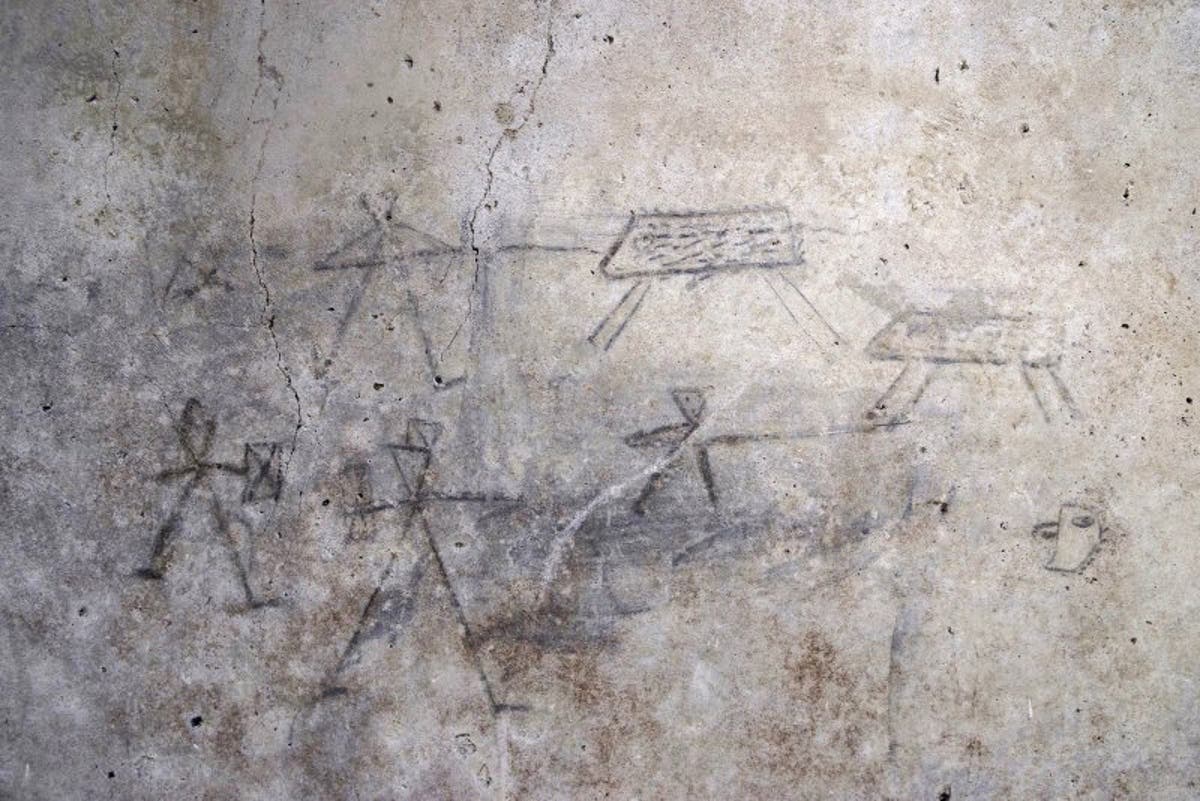
Archaeologists in Pompeii have discovered charcoal sketches by children, depicting violent scenes such as gladiator fights, likely witnessed in the ancient city's amphitheatre. These naive drawings, found on a house wall, were probably made by children aged six or seven. Other recent finds include a unique portrait of a hooded child with a dog, and a black-walled dining hall with mythological paintings.
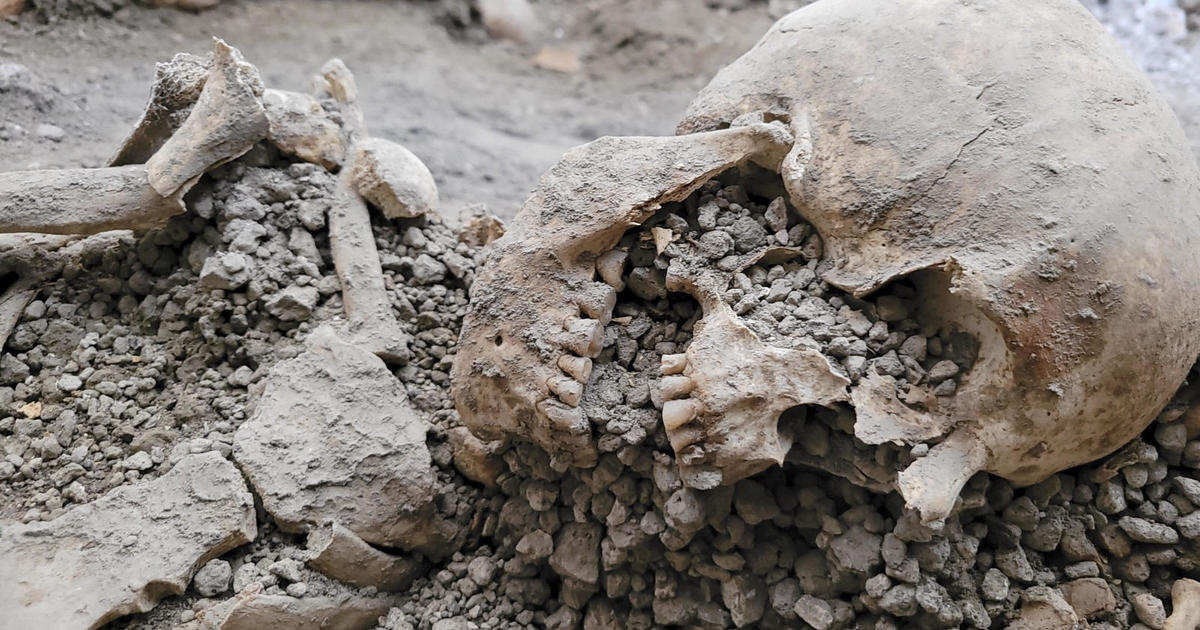
Recent excavations in Pompeii have uncovered two sets of human remains, various frescoes, and children's doodles, including sketches of gladiators, likely drawn by a child. These findings add to the understanding of life in the ancient Roman city, which was preserved under volcanic ash from the eruption of Mount Vesuvius in 79 AD.
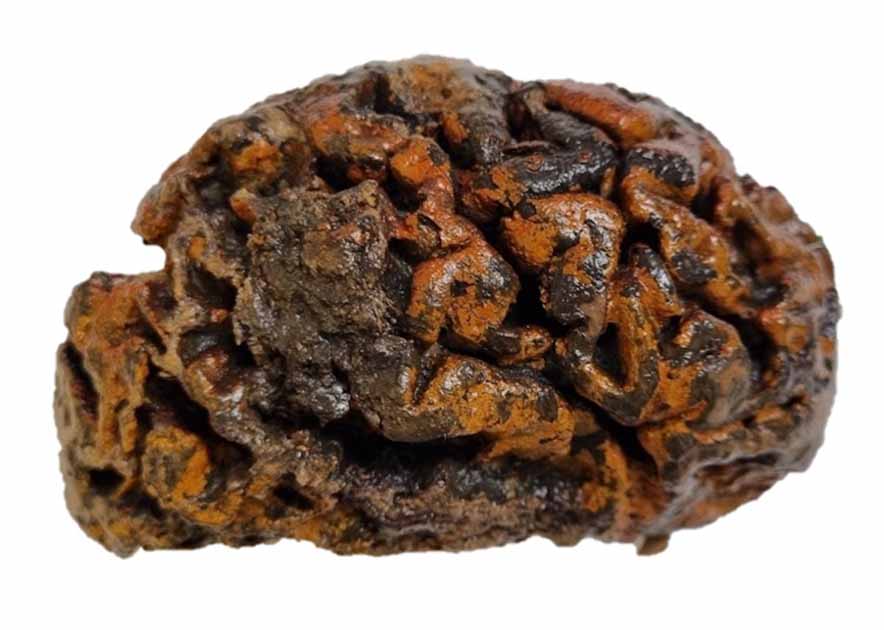
A recent study led by forensic anthropologist Alexandra Morton-Hayward and her team from the University of Oxford has revealed that human brains can survive for millennia, challenging previous assumptions about their rapid decay after death. The research uncovered over 4,400 preserved human brains dating back nearly 12,000 years, offering new insights into brain preservation and the potential for studying ancient diseases, cognition, and behavior. This groundbreaking discovery opens new paths for scientific exploration and could revolutionize our understanding of neurological development and disorders, providing a unique window into the health and lifestyle of our ancestors.
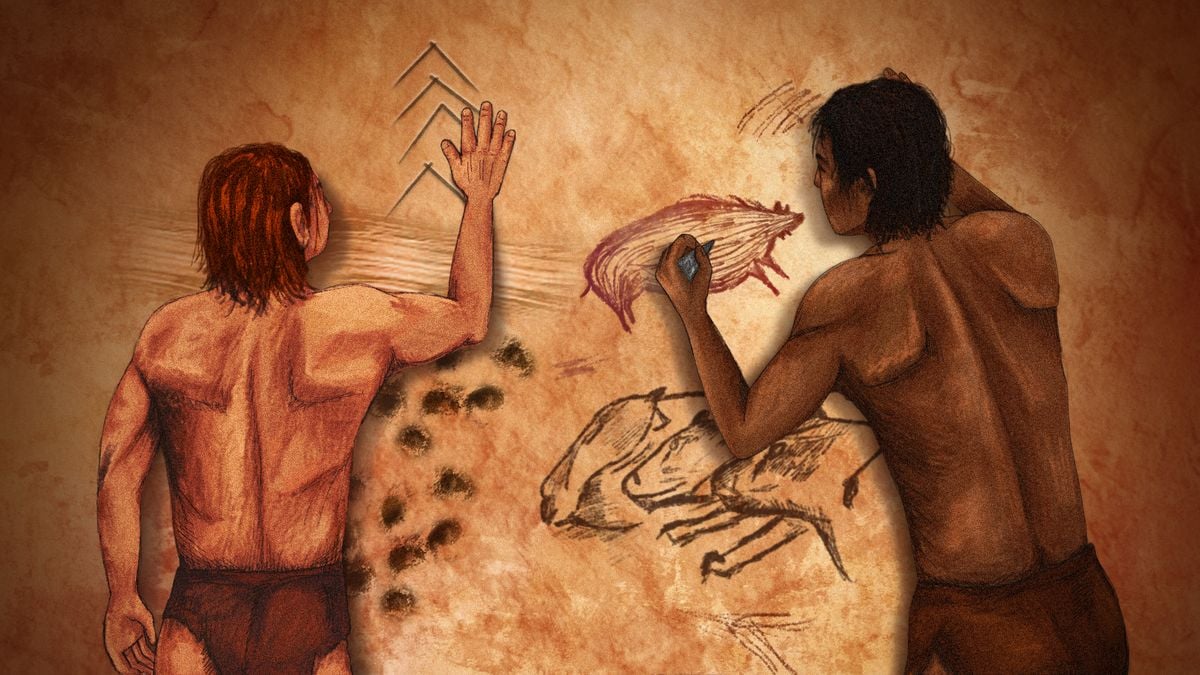
Recent archaeological discoveries, including a 51,000-year-old engraved deer bone found in a German cave once occupied by Neanderthals, suggest that ancient human relatives may have engaged in primitive forms of art and symbolic behavior. These findings challenge the traditional view that only modern humans were capable of artistic expression, reshaping our understanding of the cognitive abilities of Neanderthals and earlier hominins. The debate over the world's oldest art is informed by theories about the purpose of art and what it says about human cognition, with some experts suggesting that the development of an artistic sense among hominins may have been linked to their abilities to modify their habitats and communicate within larger groups.
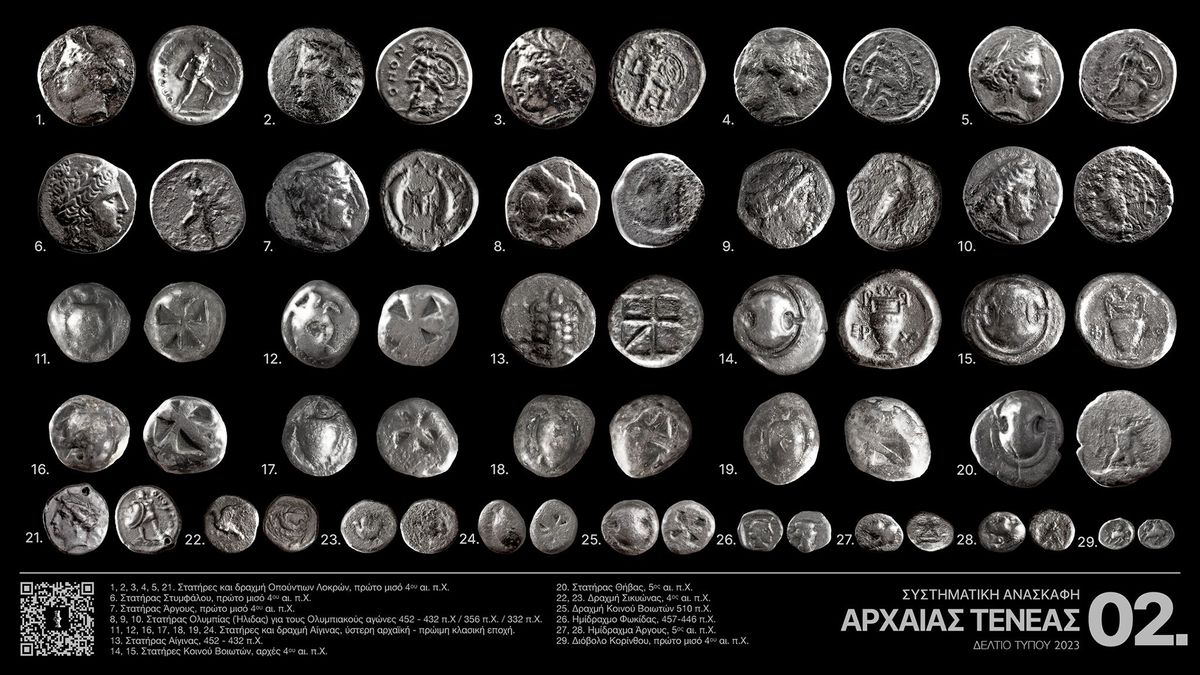
Archaeologists in Greece have uncovered part of a massive aqueduct built by Roman emperor Hadrian to supply water to Corinth, along with rare Greek coins and the remains of an ancient settlement. The aqueduct, over 100 feet long, was part of a monumental hydraulic project and is just one of the discoveries at the Tenea archaeological site, which also include a building complex dating back to the Archaic and Hellenistic periods, a Roman-era cemetery, and prehistoric settlement remains. The rare silver coins found at the site, dating to the late sixth century B.C., were used in religious worship, shedding light on the site's ancient significance.
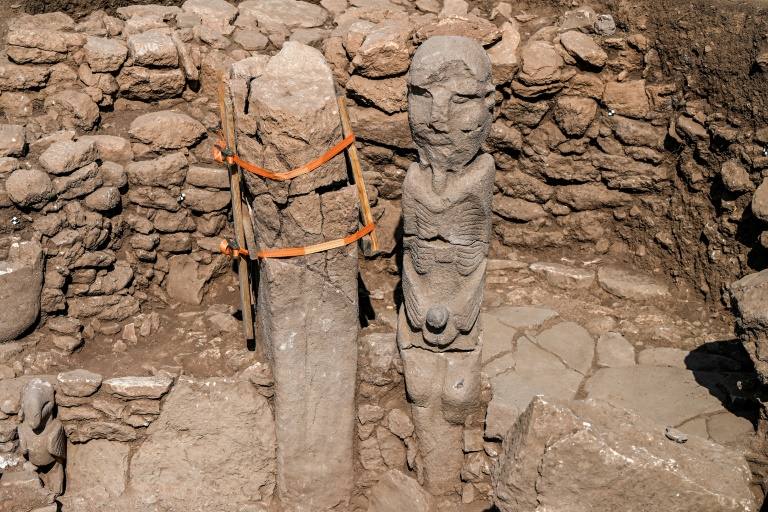
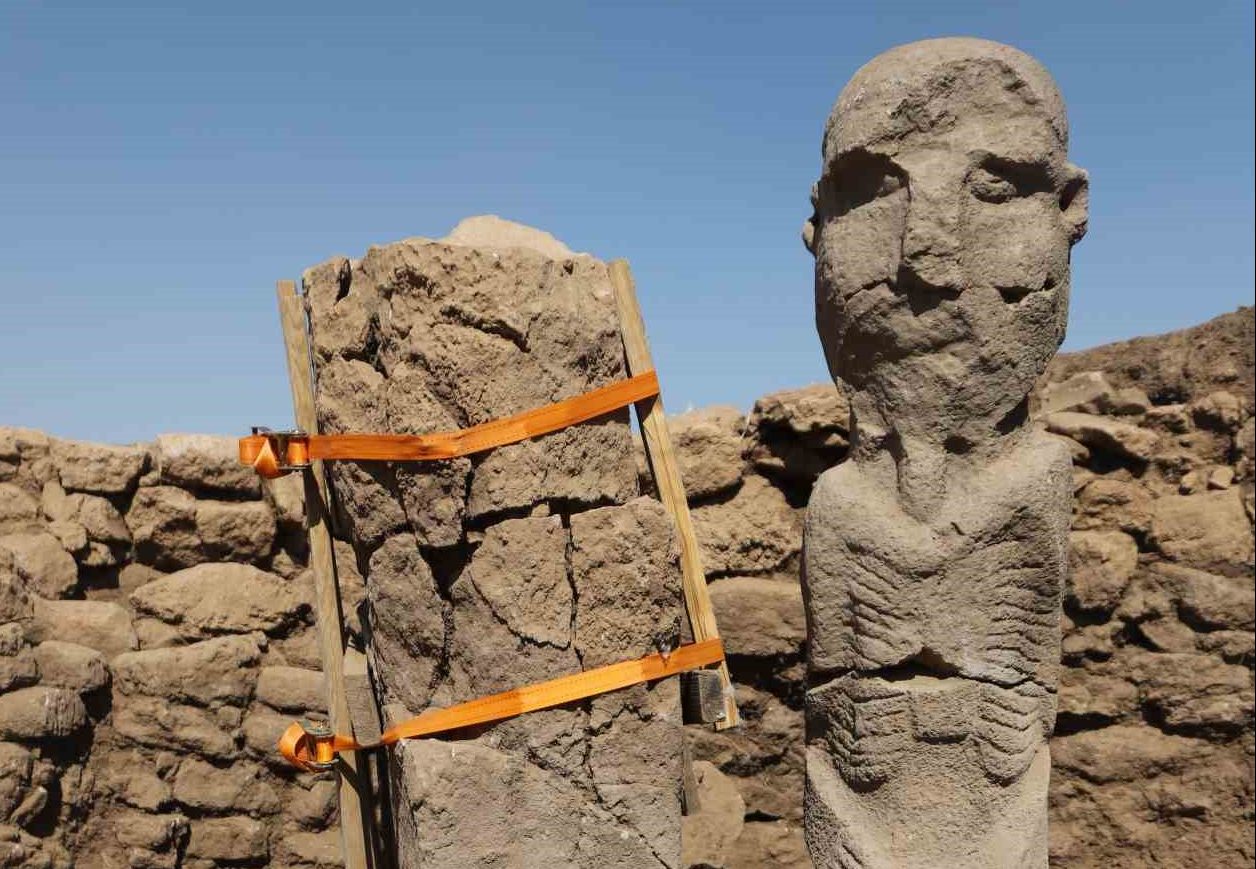
Archaeologists in southeastern Turkey have made new discoveries, including a stone phallus and a colored boar, shedding light on human history. The 2.3-meter tall statue of a man holding his phallus was found at Karahantepe, part of the network around UNESCO-listed Gobekli Tepe. The settlements in the area provide insights into a new social order that emerged after the Ice Age. The purpose of Gobekli Tepe, believed to be a sacred site, remains unknown, but the recent discoveries offer clues about the symbolism and rituals of the ancient people who inhabited the area.
A painted wild boar statue has been discovered in the ancient site of Göbeklitepe, the world's oldest megalithic site. The statue, believed to be around 12,000 years old, is the first painted sculpture found from its period. Additionally, a lifelike human statue with a realistic facial expression was unearthed in Karahantepe, a sister site of Göbeklitepe. The discoveries shed new light on prehistoric art and provide further insights into the ancient civilizations that once thrived in the region.
Two male skeletons, believed to be at least 55 years old, were discovered in the Casti Amanti, or House of Chaste Lovers, in the Pompeii archaeological site. Archaeologists believe the victims likely died due to multiple traumas caused by the collapse of part of the building during powerful earthquakes that accompanied the devastating volcanic eruption of Mount Vesuvius in the first century. The skeletons were found lying on their side with their legs curled up, and one wore a ring on his left hand. More than 1,300 victims have been found in the archaeological site over the last 250 years.