
Europeans seek Chinese support to break IPCC funding and timeline deadlock at COP31
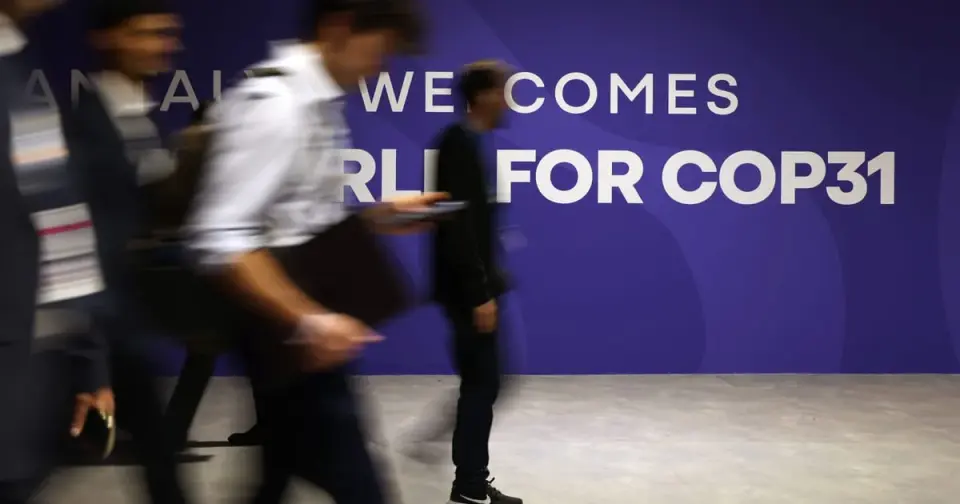
European diplomats are urgently courting China to break a stalemate over the Intergovernmental Panel on Climate Change (IPCC). India and Saudi Arabia are blocking the body's budget and pushing to delay its 2028 reports, threatening the scientific basis for the 2028 global stocktake. While Europe and many vulnerable nations demand timely publication, the opposing bloc argues more time is needed for developing-country review. The deadlock has stalled the IPCC for six consecutive meetings, with a final budget vote scheduled for December 1.
Key points
- European officials are holding private talks with Chinese counterparts in Antalya to persuade Beijing to support the 2028 IPCC timeline, aiming to break a consensus deadlock.
- India and Saudi Arabia, backed by Kenya and Russia, are blocking the IPCC budget and seeking to postpone the publication of two of three planned reports until 2029.
- The delay would deprive the 2028 global stocktake (GST2) of fresh scientific data needed to assess progress toward the Paris Agreement and determine remedial actions.
- The IPCC has failed to reach agreement at six consecutive meetings, with the last session in Ethiopia suspended without result; a final budget vote is scheduled for December 1.
- The dispute is exacerbated by the United States' exit from the IPCC, which has already strained the body's funding, and by Saudi Arabia's attempt to walk back the 2023 fossil fuel transition decision.
Background
This dispute occurs against a backdrop of accelerating climate impacts, with recent analyses indicating the world is on track for 2.7C of warming by 2100, breaching the 1.5C threshold within years. The 2023 global stocktake resulted in a historic decision to transition away from fossil fuels, a move Saudi Arabia has since sought to reverse. The current crisis highlights the increasing politicization of scientific bodies, as the IPCC's technical processes are being used to delay or alter the timing of critical assessments.
How outlets are covering it
POLITICO and Bloomberg frame the issue as a critical diplomatic crisis where Europe is leveraging China to counter a bloc led by India and Saudi Arabia, emphasizing the risk to the 2028 global stocktake. The Irish Times highlights the moral and scientific urgency, quoting former UN Secretary-General Mary Robinson and climate scientist Johan Rockström, who warn that delaying the IPCC undermines the evidence needed to prevent irreversible warming. While European and vulnerable developing nations (like the Marshall Islands) view the delay as an attack on science, officials from the opposing bloc argue that the 2029 timeline is a 'principled position' to ensure adequate review time for developing-country scientists, not an attempt to stonewall research. All sources agree that the funding crisis, worsened by the US exit, is a central factor in the deadlock.
Why it matters
The outcome of this dispute will determine whether the 2028 global stocktake is informed by the latest scientific evidence. A delay could hinder the ability of nations to assess their progress and implement necessary remedial actions, potentially weakening the global response to climate change. The resolution also sets a precedent for the political independence of scientific bodies within the UN system.
What to watch
Diplomats hope to reach a consensus during the COP31 summit in Antalya this week. If no resolution is found, the IPCC will meet again on December 1 for a final attempt to approve its budget. Failure to secure funding could lead to a suspension of the IPCC's work, delaying the 2028 reports and impacting the 2028 global stocktake.
- Europeans court China’s help to keep climate action on track POLITICO.eu
- Timing of Climate Science Reports Ignites a Hot Fight at U.N. Talks The New York Times
- Europeans seek China’s backing in COP31 climate science dispute Mezha.net
- A Battle Over Science Risks Jeopardizing Climate Talks for Years Bloomberg.com
- Mary Robinson warns countries at Cop31 against undermining IPCC scientists The Irish Times
Want the full story? Read the original reporting
Read on POLITICO.eu