
Nepal Leverages Climate Attribution Study to Seek $20M from UN Loss and Damage Fund
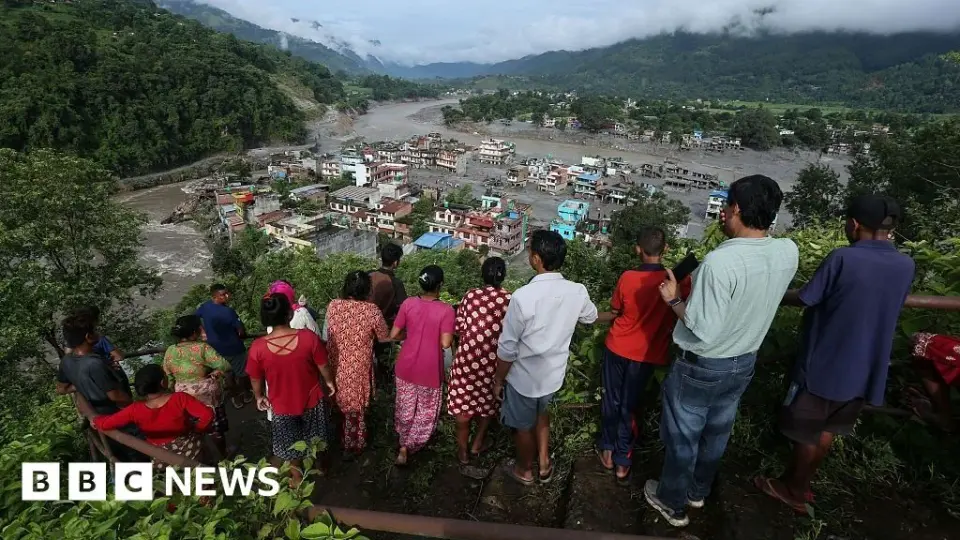
Nepal is using a new scientific study linking climate change to the August 2026 Himalayan floods as the primary evidence for a $20 million claim to the UN Fund for Responding to Loss and Damage. The study confirms that human-induced warming destabilized the geological conditions that triggered the catastrophic rock-ice avalanche, which killed over 1,400 people. While Nepal seeks $5 billion for total reconstruction, the UN fund currently has only $400 million available for nearly 120 competing claims.
Key points
- Nepal plans to claim approximately $20 million from the UN Fund for Responding to Loss and Damage, citing a new study by World Weather Attribution as the core evidence.
- The study concludes that human-induced climate change was a 'destabilising factor' that preconditioned the rock-ice avalanche at Langtang Lirung, though it was not the sole cause.
- The disaster on August 26, 2026, resulted in over 1,400 confirmed deaths and 6,150 missing persons in Nepal, with the flood traveling 200 km downstream in under seven hours.
- Nepal estimates the total cost of rebuilding at $5 billion, but the UN fund has only $400 million allocated for disbursement among nearly 120 countries that have submitted claims.
- The study highlights that the event exceeded the limits of existing adaptation measures, as no early warning system could have provided sufficient lead time for the magnitude of the impact.
Background
Nepal has faced recurring climate-driven disasters, with previous coverage noting a $5 billion reconstruction estimate and international calls for aid following the August floods. Earlier reports highlighted the destruction of hydropower infrastructure and the displacement of thousands, while experts debated the balance between climate trends and human development choices in exacerbating flood risks. The current development marks a shift from general appeals to a specific, evidence-based financial claim under the UN's loss and damage framework.
How outlets are covering it
BBC reports that Nepal is using the World Weather Attribution study as the 'strongest evidence' for its claim, emphasizing the fund's requirement for proof of climate causation. World Weather Attribution provides the technical analysis, framing climate change as a destabilizing factor acting on pre-existing geological weaknesses rather than the fundamental cause, and noting that the event exceeded adaptation limits. Science News highlights the broader implications for high mountain regions, noting that the magnitude of the event caught experts off guard and points to increasing risks from glacial hazards. BloombergNEF, cited by BBC, notes that Nepal's use of the term 'compensation' signals a shift toward a polluter-pays model rather than traditional aid.
Why it matters
This case sets a precedent for how vulnerable nations can leverage scientific attribution to access climate finance. The disparity between Nepal's $5 billion need and the fund's $400 million total capacity highlights the severe inadequacy of current climate finance mechanisms. The December decision on Nepal's claim will determine if the fund can prioritize urgent needs or must adhere strictly to procedural rules, impacting future claims from other climate-vulnerable nations.
What to watch
UN officials are scheduled to meet in December to decide which claims to accept, including whether to make an urgent decision for Nepal. Nepal's Prime Minister Balendra Shah is set to address the UN General Assembly in New York next week to advocate for climate justice and rapid disbursement. The outcome will depend on the balance between political pressure for rapid aid and the fund's procedural requirements for evidence and distribution.
- Nepal to use new flood study to claim millions from UN climate disaster fund BBC
- Rapid Warming in the Himalaya Exacerbates Geohazard Cascades Beyond Adaptation Limits World Weather Attribution
- Warnings Across the Himalayas After Nepal Floods The New York Times
- New Insight On What Caused The Disastrous Nepal Floods Forbes
- Nepal’s deadly debris flow points to risks in other high mountain regions Science News
Want the full story? Read the original reporting
Read on BBC