
Study Links Human-Driven Warming to Deadly Nepal-Tibet Glacier Collapse
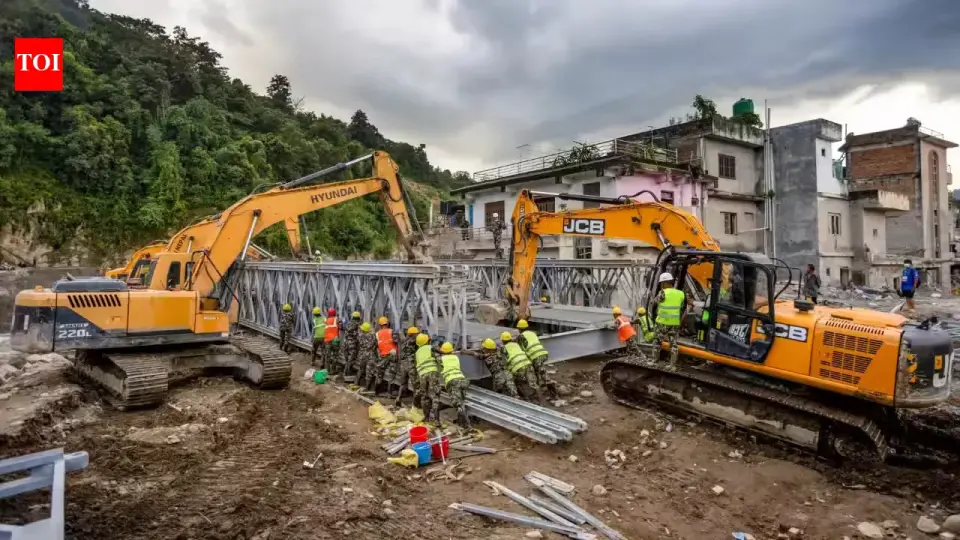
A new scientific assessment confirms that human-induced climate change significantly contributed to the August 26 glacier collapse on the Nepal-Tibet border. The event, described as a cascading disaster rather than a conventional flood, killed over 1,300 people and left thousands missing. Nepal is seeking $20 million from the UN Loss and Damage Fund, with total reconstruction costs estimated at $5 billion.
Key points
- World Weather Attribution study finds human-caused warming destabilized the slope via permafrost thaw and glacier thinning.
- The collapse involved 2 sq km of rock and ice falling 1,400 meters, creating a debris flow that traveled 22 km in seven minutes.
- Nepal’s foreign minister stated the country will request $20 million from the UN Loss and Damage Fund for a $5 billion recovery effort.
- PM Balendra Shah plans to highlight the disaster and demand climate justice at the UN General Assembly in late September.
- Researchers note the 2015 earthquake may have weakened slopes, but could not quantify its specific contribution to the recent failure.
Background
Initial reports from late August and early September described the event as a glacial collapse causing massive flooding and loss of life, with casualty figures rising from hundreds to over 1,000. Earlier coverage also noted Chinese censorship efforts regarding the disaster's scale and international aid mobilization.
How outlets are covering it
The Times of India and Science News emphasize the scientific findings linking long-term warming to the disaster, noting that human activity added approximately 1.5C to regional temperatures. The Guardian highlights the geopolitical and financial implications, stressing that Nepal, responsible for less than 0.1% of global emissions, faces a rebuilding cost of $5 billion while the UN fund holds only $400 million. The Guardian also points out that nearly 120 countries have already submitted claims totaling nearly $3 billion, creating a deficit that complicates Nepal’s funding request. While all sources agree on the climate link, The Guardian focuses on the inadequacy of current international financial mechanisms, whereas the other outlets focus on the physical mechanisms of the slope failure and the diplomatic push for justice.
Why it matters
This is the first scientific assessment directly linking the Nepal-Tibet disaster to human-induced climate change, providing a crucial precedent for climate litigation and funding claims. It underscores the increasing vulnerability of high-mountain regions to glacial instability and highlights the urgent need for international climate finance to support nations bearing disproportionate losses from global warming.
What to watch
PM Balendra Shah will address the UN General Assembly from September 22-26 to demand greater climate justice and financing. Nepal will formally submit its request to the UN Loss and Damage Fund, with the new study expected to strengthen its case. International attention may shift to the November climate summit in Turkey, where boosting the fund is expected to be a priority for developing nations.
- Human-caused warming helped prime slope for deadly Nepal-Tibet flood, first study finds The Times of India
- Scientists Warn of Flood Risks to 8 Himalayan Countries after Nepal Disaster The New York Times
- Climate change made deadly Nepal glacier and rock collapse more likely, analysis finds PBS
- The Guardian view on the Nepal-Tibet floods: a spur to action on climate | Editorial The Guardian
- Nepal’s deadly debris flow points to risks in other high mountain regions Science News
Want the full story? Read the original reporting
Read on The Times of India