
El Niño Forecasts Hit Record Highs, Triggering Global Food and Flood Alerts
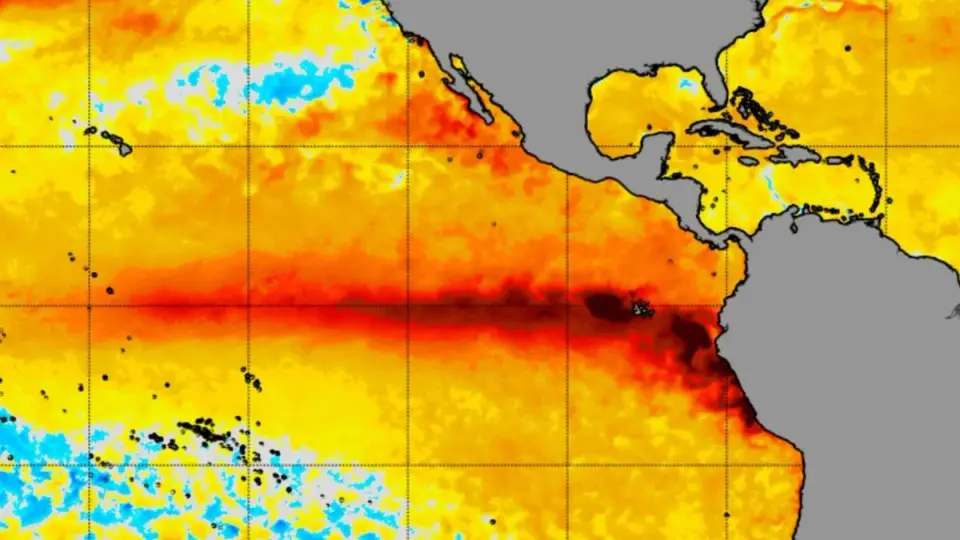
The 2026-2027 El Niño is intensifying into a potential record-breaking event, with forecasts predicting sea surface temperature anomalies up to 4.5°C. This unprecedented strength is driving record global heat waves and raising severe concerns for food security and coastal flooding in California.
Key points
- ECMWF forecasts show El Niño peaking in December at 4.0°C, potentially reaching 4.5°C, surpassing the 2015-2016 record.
- NOAA reports current Niño 3.4 region temperatures are 1.5°C above average, with subsurface Pacific temperatures at all-time highs.
- The UN World Food Programme warns the event could push 49 million more people into acute food insecurity by 2027.
- California faces a 70-100% chance of its wettest winter on record, with high risks of flooding and record sea levels.
- Global heat records are being shattered, including 42.5°C in South Korea and 42.8°C in Salt Lake City, as El Niño amplifies existing warming.
Background
Since July 2026, forecasts have consistently indicated a 'super El Niño' developing, with earlier models predicting a peak anomaly of 3.9°C. The current escalation to 4.0-4.5°C represents a significant intensification of these prior projections, moving the event into uncharted territory for modern climate records.
How outlets are covering it
Gizmodo emphasizes the unprecedented nature of the forecast, noting that models have never verified an event exceeding 3.0°C, and highlights the UN's food security warnings. CBS News and NBC Bay Area focus on the localized impacts for California, with climatologist Daniel Swain predicting the wettest winter on record and Mark Merrifield warning of the highest sea levels ever recorded on the California coast. Yale E360 highlights the immediate global heat impacts, citing record temperatures in Europe and Asia, and quotes UN Secretary-General António Guterres describing the event as 'inside the house and turning up the heat.' While all sources agree on the event's strength, they differ in emphasis: Gizmodo and Yale focus on global temperature and food security, while CBS and NBC focus on regional flooding and infrastructure risks in California.
Why it matters
This El Niño event is not just a weather pattern but a potential tipping point for global climate systems. Its unprecedented strength could lead to permanent shifts in weather patterns, exacerbate food insecurity in vulnerable regions, and cause severe economic and infrastructure damage through flooding and heat-related crises. The event also serves as a preview of what a permanently warmer climate might look like.
What to watch
Forecasters expect the El Niño to peak in December 2026, with models becoming more confident as the event approaches its peak. The UN World Food Programme will likely update its food insecurity projections, and California authorities will monitor flood and sea level risks through the winter. Global temperature records may continue to be broken, and the event's full impact on 2027 weather patterns will be assessed as it evolves.
- Okay, These El Niño Forecasts Are Getting Ridiculous Gizmodo
- A powerful El Niño is building. From the Gulf Coast to California, here's what it could mean for weather in your state. Yahoo
- Climatologist says incoming El Niño winter could be wettest on record in California cbsnews.com
- In an Already Broiling Summer, El Niño Is About to Turn Up the Heat Yale E360
- Experts warn of high Bay Area flood risk during super El Niño NBC Bay Area
Want the full story? Read the original reporting
Read on Gizmodo