
Fossil Fuel Coalition Pivots to Tuvalu After Colombia Exits
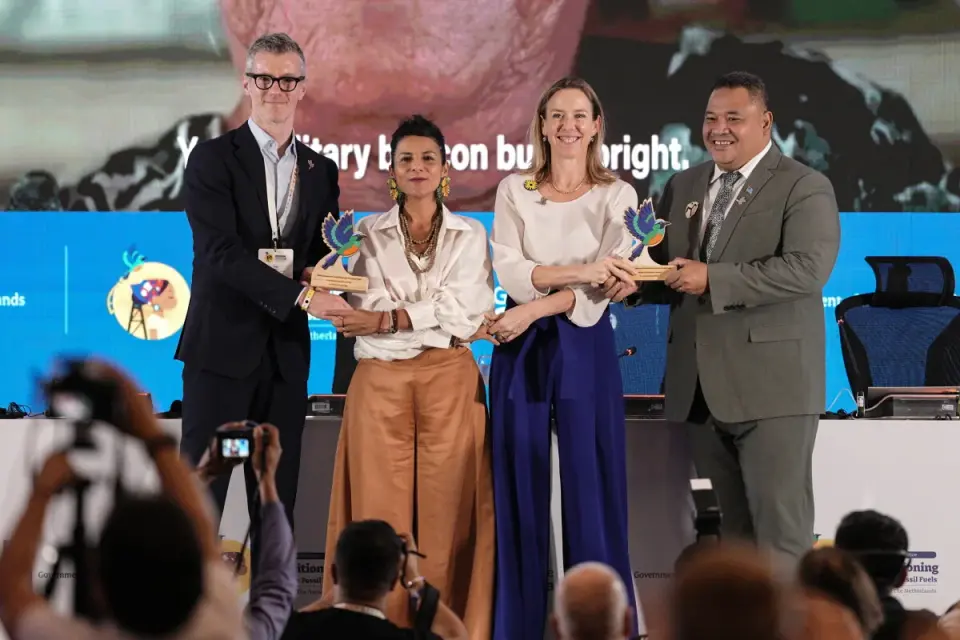
The Santa Marta coalition, aimed at accelerating the global shift away from fossil fuels, is preparing to release progress reports at COP31 in Turkey despite the withdrawal of founding member Colombia. Leadership of the initiative is transferring to Ireland and Tuvalu, with a follow-up conference scheduled for July 2027. The coalition seeks to convert voluntary international commitments into concrete national policies, though experts debate whether these non-binding measures will yield meaningful reductions in fossil fuel use.
Key points
- The coalition, launched in April in Santa Marta, Colombia, is expected to unveil a progress report at COP31 outlining steps by participating nations to reduce dependence on coal, oil, and gas.
- Colombia withdrew from the initiative following the election of President Abelardo de la Espriella, who prioritizes expanding the oil and gas industry and reviving exploration, reversing the previous administration's environmental stance.
- Ireland and Tuvalu are assuming leadership from Colombia and the Netherlands, with a second international conference planned for July 2027 in Tuvalu.
- At COP31, negotiators are considering recognizing a global fossil fuel transition road map developed by Brazil’s COP30 presidency, which offers voluntary guidelines for reducing fossil fuel dependence based on national economic circumstances.
- Experts note that while 23 countries have announced or are developing national road maps, progress remains limited, and the voluntary nature of these commitments lacks binding timetables or concrete implementation steps.
Background
This development follows the 2023 UN climate summit in Dubai, where nearly 200 countries agreed for the first time to transition away from fossil fuels, though without binding deadlines. Recent UN climate talks in Antalya, Turkey, have highlighted ongoing disagreements over accelerating this transition, with previous coverage noting stalled negotiations on electrification targets and fossil fuel phase-outs. The current situation reflects broader tensions between nations seeking to diversify away from fossil fuel revenues and those prioritizing energy security through expanded extraction.
Why it matters
The coalition's ability to maintain momentum despite the exit of a founding member tests the durability of voluntary climate initiatives. As major fossil fuel producers remain largely absent, the success of these road maps depends on whether voluntary commitments can translate into measurable reductions in emissions and energy dependence, particularly for developing nations reliant on fossil fuel revenues.
What to watch
Ireland and Tuvalu will formalize the leadership handover at COP31, with detailed plans for the 2027 conference to be announced. Negotiators at COP31 will decide whether to formally recognize the global road map and establish a process for advancing its recommendations in future climate talks. Observers will watch for any increased participation from major fossil fuel producers, such as China, as economic and energy security concerns evolve.
Want the full story? Read the original reporting
Read on AP News