
Climate change primed Nepal’s deadly flood, scientists say
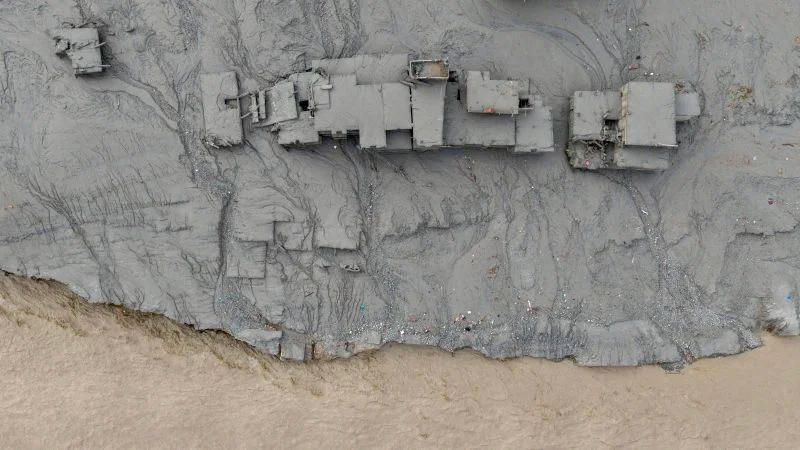
A World Weather Attribution analysis found Nepal’s August flood was not caused by a single event but by a cascade of processes intensified by human-caused climate change: warming temperatures, thawing permafrost, glacier thinning around Langtang Lirung, and meltwater that fed a rapidly advancing flood after a monumental rock-ice avalanche. A 2015 earthquake may have preconditioned the slope, and record fall snow plus a very warm July–August period (regional temperatures ~1.5°C warmer in summer, ~2°C annually) amplified melt. The combined factors produced an unprecedented Himalayan disaster, with at least 1,300 dead and thousands missing, and scientists say even early warning systems would have limited lead time. They stress urgent fossil-fuel reductions to reduce future risk.
- Here’s what one team of scientists thinks happened in Nepal’s deadly flood wave CNN
- Human-Caused Warming Played ‘Very Strong’ Role in Himalayan Floods, Report Finds The New York Times
- How climate change worsened Nepal's deadly mountain collapse dw.com
- Climate crisis likely behind devastating Nepal-Tibet floods that killed more than 1,300, first study finds The Guardian
- Rapid Warming in the Himalaya Exacerbates Geohazard Cascades Beyond Adaptation Limits World Weather Attribution
Reading Insights
0
9
208 min
vs 209 min read
100%
41,766 → 114 words
Want the full story? Read the original article
Read on CNN