
Climate Models Fail to Predict Regional Extremes as COP31 Opens
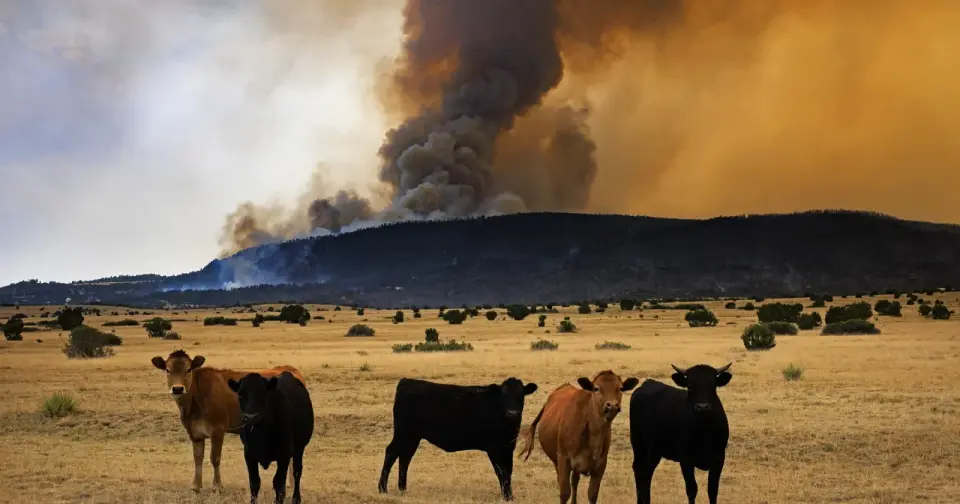
Climate models are failing to accurately predict regional weather extremes, complicating disaster preparedness and financial risk assessments. As COP31 opens in Antalya, Turkey, a record-breaking El Niño is intensifying global heat, droughts, and wildfires. While global temperature trends remain predictable, local impacts like Europe’s rapid warming and the US Southwest’s drying are diverging from forecasts, forcing insurers and governments to adopt new short-term modeling strategies.
Key points
- COP31 has convened in Antalya, Turkey, with nearly 95,000 participants, focusing on adaptation as climate impacts accelerate.
- A record-breaking El Niño is expected to push global temperatures above 1.5°C in 2026 and 2027, exacerbating droughts and wildfires.
- Europe’s maximum temperatures are rising 0.51°C per decade, significantly faster than the 0.32°C average predicted by models.
- The North Atlantic jet stream is strengthening more than anticipated, altering winter storm patterns and increasing economic losses in Europe.
- Insurers and banks are shifting to short-term, high-resolution simulations to better manage immediate risks like drought and flooding.
Background
Recent studies indicate that 90% of the warming expected at 1.5°C has already been realized in all IPCC regions. The World Meteorological Organization confirmed that Earth’s energy imbalance is at its highest recorded level, with 2026 on track to be among the four warmest years on record. These trends highlight the urgency of the current climate negotiations.
How outlets are covering it
Bloomberg emphasizes the technical failure of climate models to predict regional specifics, such as the unexpected drying of arid regions and the strengthening of the jet stream, which complicates financial risk assessment. The Financial Times highlights the political disconnect, noting that while weather extremes intensify, political and corporate responses have become more cavalier, with the US withdrawing from the Paris Agreement. Arab News offers a more optimistic view, pointing to significant progress in clean energy adoption and China’s massive investment in green technology, suggesting that market forces are driving change despite political gridlock. Edie argues that corporate retreat from climate commitments is a strategic error, as physical impacts are already increasing insurance costs and supply chain friction.
Why it matters
The inability of models to predict local extremes undermines the financial and logistical preparation for disasters that cost hundreds of billions annually. As El Niño intensifies, the gap between predicted and actual weather events poses a direct threat to global economic stability and infrastructure resilience, making accurate short-term forecasting critical for policy and investment decisions.
What to watch
COP31 will focus on adaptation finance, with developing countries expected to require $305 billion annually by 2035. Scientists are launching the seventh generation of climate models to improve regional resolution, while financial institutions are integrating short-term simulations to better assess immediate risks. The outcome of these negotiations will determine the pace of global decarbonization efforts.
- COP31 Climate Talks: Global Warming Defies Efforts to Predict Its Effects Bloomberg.com
- COMMENTARY: Climate silence is stalling action. Global leaders must join the women who are speaking up Reuters
- Climate action is dying just when it’s needed most Financial Times
- All is not lost in climate change fight Arab News
- Pulling back on climate action now is the wrong move at the wrong time edie
Want the full story? Read the original reporting
Read on Bloomberg.com