
COP31 Deadlock Deepens as Panama and EU Reject Draft Stripping Fossil Fuel Language
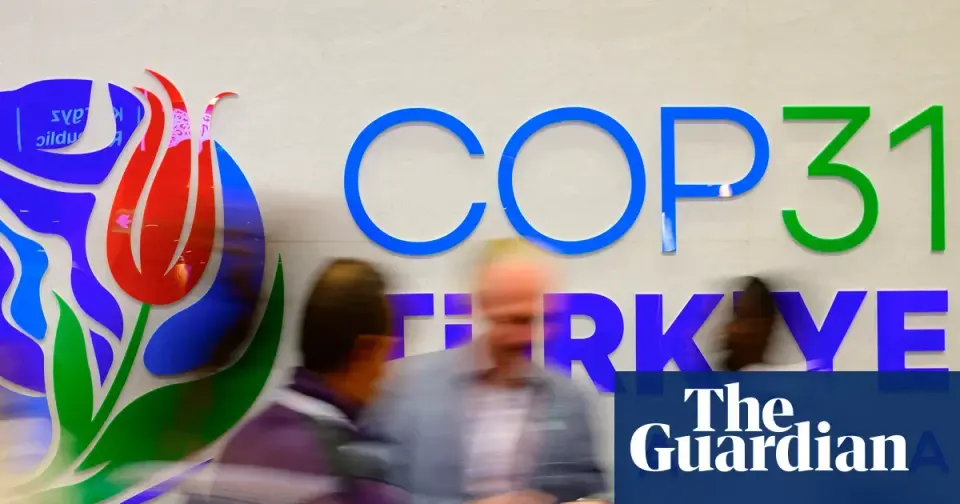
COP31 negotiations in Antalya, Turkey, have stalled in a deadlock after the second draft of the final agreement removed all references to phasing out fossil fuels. Panama and a coalition of European nations, including France, are threatening to block the deal, arguing that the text fails to address the root cause of the climate crisis. Meanwhile, developing nations are protesting the removal of specific financial commitments for adaptation, while the summit’s co-presidents argue the text reflects the maximum achievable consensus.
Key points
- The second draft of the COP31 outcome text, released on Thursday, removed the pledge to phase out fossil fuels and weakened electrification goals.
- Panama’s environment minister, Juan Carlos Navarro, issued a formal warning that his country would block any outcome unless its demands were met.
- France, along with Spain, Belgium, Sweden, and Finland, joined the push to restore language on moving away from oil, gas, and coal.
- The draft replaced the fossil fuel phase-out with a weaker commitment to an 'irreversible global transition towards low greenhouse gas emissions.'
- Developing nations, particularly the African Group, are demanding restored funding for adaptation, with Ghana’s minister stating they did not come to the summit 'to beg.'
- The 1.5C temperature limit is acknowledged in the draft as missed, marking the first time a COP agreement explicitly recognizes this breach.
Background
COP31 in Antalya has been marked by intense negotiations over the transition away from fossil fuels and electrification targets. Previous drafts proposed accelerating the move away from fossil fuels and increasing global electrification to 35% by 2035, but Arab nations and Russia have resisted such language. The summit is also taking place against the backdrop of confirmed 'overshoot' of the 1.5C warming limit, with current policies projecting 2.6–2.8C of warming by 2100.
How outlets are covering it
The Guardian and BBC report that the removal of fossil fuel language has turned the summit into a 'ghost COP,' with campaigners describing it as a historic disgrace. The BBC notes that while France and Panama are leading the rebellion, some other EU nations declined to join, fearing it would hinder negotiations. Conversely, Australia’s climate minister, Chris Bowen, and Turkey’s president, Murat Kurum, defended the draft, arguing it represents the best chance for ambitious results within consensus limits and that there is no backsliding. The CNN source, while covering a different topic on Indonesian cave art, highlights the broader climate impacts that such weak agreements fail to address, though it does not directly comment on the COP31 text.
Why it matters
The outcome of COP31 will set the global trajectory for climate action in the coming decade. The removal of fossil fuel phase-out language and weakened financial commitments for developing nations could undermine the Paris Agreement’s goals and leave vulnerable countries without the resources needed to adapt to extreme weather. The deadlock highlights the deep divide between fossil fuel producers and climate-vulnerable nations, with potential consequences for global energy policy and international cooperation.
What to watch
Negotiations are expected to continue through the night and into Friday morning, with a final agreement potentially published on Saturday. The outcome will depend on whether Panama and the European coalition can force a change in the text or if the co-presidents can secure a consensus that maintains the current draft. The talks are scheduled to end on Friday at 6pm, but overruns are common.
- Cop31 told it risks being ‘ghost’ summit as all mentions of fossil fuels removed from draft text The Guardian
- Cop31 live: world urged to avoid one of ‘most disappointing Cops ever’ as talks stretch past deadline The Guardian
- Fight over fossil fuels leaves COP31 climate talks in deadlock BBC
- Humanity’s oldest art is being erased by climate change CNN
- COP31: UN Climate summit runs long with no deal in sight after fossil fuels omitted from draft DW.com
Want the full story? Read the original reporting
Read on The Guardian