
COP31 in Antalya: Journalists describe grueling coverage as UN chief warns climate finance gap widens
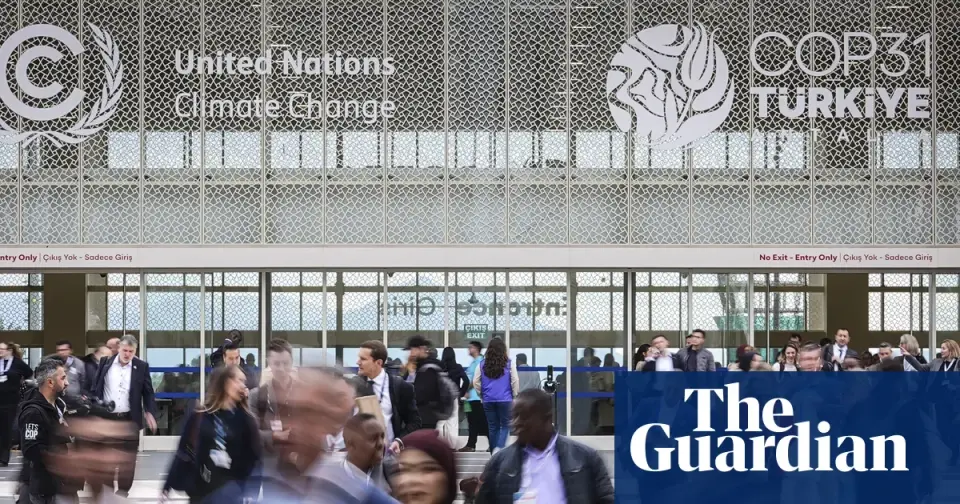
The 31st UN climate conference in Antalya, Turkey, has drawn 70,000 delegates amid intense diplomatic negotiations. While journalists report extreme exhaustion and logistical hurdles, UN Secretary-General António Guterres warned that current trends leave global climate finance $840 billion short of targets. New initiatives aim to mobilize $10 billion for emerging markets, though fossil fuel phase-outs remain unresolved.
Key points
- COP31 in Antalya, Turkey, involves 70,000 registered delegates and complex negotiations across two weeks.
- Journalists report severe exhaustion, with some working 48 hours without sleep due to late-night deadline extensions.
- UN Secretary-General António Guterres stated that tripling adaptation finance would still cover less than 30% of needs.
- Development finance institutions from Britain, Norway, and Canada announced a $10 billion initiative for climate projects in emerging markets by 2030.
- The COP31 presidency circulated a draft political declaration, with fossil fuel issues remaining key unresolved points.
Background
Previous coverage noted that the 1.5°C warming limit is effectively unattainable, with current policies projecting 2.6–2.8°C of warming by 2100. The US skipped the summit for the second consecutive year, while Brazilian President Luiz Inácio Lula da Silva received significant diplomatic attention following his reelection. Guterres previously emphasized that climate action is central to global peace and poverty reduction.
How outlets are covering it
The Guardian emphasizes the human and logistical toll of covering the summit, highlighting the difficulty of translating complex jargon for readers and the physical exhaustion faced by reporters. In contrast, UN News focuses on the financial and political stakes, detailing Guterres’s call for reforms to the international financial system and the specific gap in climate funding. While The Guardian notes the frustration of slow progress, UN News highlights new financial commitments and the urgency of holding polluters accountable through taxation and debt relief.
Why it matters
The summit represents a critical juncture for global climate policy, as the gap between pledged and actual climate finance threatens to leave vulnerable nations without necessary adaptation resources. The outcome of these negotiations will influence future international cooperation and the pace of the transition away from fossil fuels, directly impacting global emissions and disaster resilience.
What to watch
Negotiations will continue through the two-week summit, with the final political declaration expected to address unresolved issues regarding fossil fuels and climate finance. Delegates will work to finalize agreements, potentially extending deadlines into the night, while civil society groups maintain pressure for polluter accountability.
- ‘It is not unusual to go 48 hours with little sleep’: what it’s like to cover a Cop climate summit The Guardian
- UN climate chief urges speed as COP31 confronts fossil fuel divide Reuters
- COP31: Protesters, UN urge swift climate deal DW.com
- COP31: Climate finance falls short as calls grow for polluters to pay UN News
- UN chief says 'immediate and drastic' emissions cuts needed to avert climate change catastrophe AP News
Want the full story? Read the original reporting
Read on The Guardian