
COP31 Summit Confronts 'Irrecoverable' Overshoot as 1.5°C Goal Fails
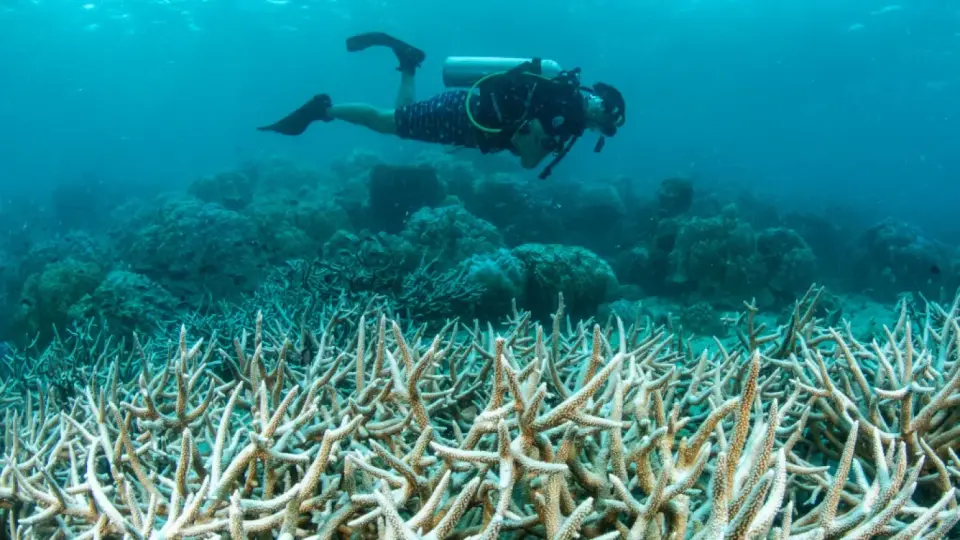
The 1.5°C warming limit is effectively dead, with current policies projecting 2.6–2.8°C of warming by 2100. At COP31 in Antalya, Turkey, leaders face a crisis of 'irrecoverable overshoot' as emissions remain high. While clean energy investment doubles fossil fuel spending, new oil projects and stalled policies negate progress. Scientists warn that every fraction of a degree matters, as 2°C warming would destroy 99% of coral reefs and expose hundreds of millions to deadly heat.
Key points
- The 1.5°C target from the 2015 Paris Agreement is no longer achievable, with the planet already near that threshold.
- Current policies project 2.6–2.8°C of warming by 2100, while the most optimistic scenario still reaches 1.9°C.
- Beyond 2°C, 99% of coral reefs would be lost, and 140 million more people per 0.1°C would face dangerous heat.
- COP31 discussions focus on electrification, but Turkey and Australia oppose labeling it 'clean' due to fossil fuel interests.
- Clean energy investment now exceeds fossil fuels, but new oil/gas projects and policy rollbacks negate gains.
Background
This follows the WMO’s November 2026 report confirming 2026 as one of the warmest years on record, with temperatures at 1.47°C above pre-industrial levels. Earlier COP31 sessions saw UK PM Andy Burnham label climate a security threat while facing criticism for fossil fuel policies, and Brazilian President Lula pledged Amazon protection amid absent leaders from the US, China, and India.
How outlets are covering it
NPR emphasizes the ecological stakes, noting 99% coral loss at 2°C and 140 million more people exposed to heat per 0.1°C. The Guardian highlights 'irrecoverable overshoot' and the gap between pledges and action, citing CAT’s 2.7°C projection. Inside Climate News stresses that clean energy gains are negated by new fossil fuel projects and policy rollbacks, with Turkey and Australia opposing 'clean' electrification labels. The NYT frames 1.5°C as 'dead' but notes 2.6°C as the likely outcome without drastic cuts. All agree on the urgency but differ on whether current trends offer any hope.
Why it matters
Every fraction of a degree determines whether ecosystems collapse and human survival is threatened. The failure to meet 1.5°C means irreversible damage to coral, agriculture, and coastal communities is now likely, with heatwaves and storms intensifying. COP31’s focus on electrification offers a path forward, but fossil fuel interests and stalled policies risk locking in catastrophic warming.
What to watch
COP31 will conclude with non-binding commitments on electrification, but no major new emissions cuts are expected. Countries must decide whether to support fossil fuels or pivot to clean energy, with the outcome determining if warming reaches 1.9°C or 2.8°C by 2100. Activists will pressure leaders to phase out fossil fuels, while Turkey and Australia may resist 'clean' energy labels due to coal interests.
- Why even a fraction of a degree can escalate climate change impacts NPR
- A Key Paris Agreement Goal Is Dead. What Now? The New York Times
- World heading for ‘irrevocable overshoot’ of global temperature thresholds, analysis warns The Guardian
- Global Warming Remains Unchecked, Experts Warn at UN’s COP31 Climate Summit Inside Climate News
- Press release: Without rapid climate action, the world is heading to "irrecoverable overshoot" Climate Action Tracker
Want the full story? Read the original reporting
Read on NPR