
Russia-Ukraine Trade Deadly Strikes Ahead of Abu Dhabi Peace Talks
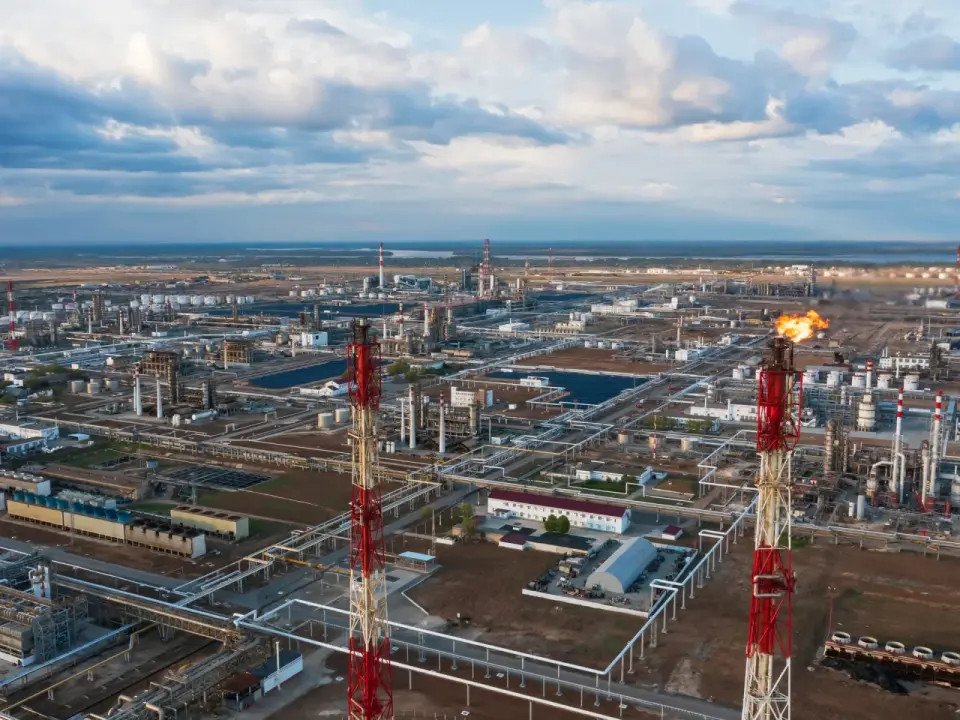
Russia and Ukraine exchanged significant air strikes overnight, killing at least four people and damaging critical energy infrastructure in both countries. These attacks occurred just before trilateral peace talks in Abu Dhabi, where US officials described discussions as 'productive' but noted that significant work remains. Ukraine has agreed to a new mechanism for rapid EU funding to repair energy damage, while Russia insists on a strict trilateral format excluding direct European participation.
Key points
- At least four people were killed in overnight strikes: three in Odesa, Ukraine, and one in Kirishi, Russia, according to local officials.
- Ukraine’s drone attack set fire to the Kirishi refinery, Russia’s second-largest, and targeted the Morozov plant near St. Petersburg, which produces missile fuel.
- Russia struck 128 energy targets in Ukraine over the past week, causing widespread power outages in Kyiv, Dnipro, Sumy, Donetsk, and Kherson.
- US Secretary of State Marco Rubio called the first day of Abu Dhabi talks 'very productive' but stated that much work remains to reach a settlement.
- Ukraine and the EU agreed to activate an emergency mechanism to deploy funds quickly for energy infrastructure repairs.
Background
This escalation follows a pattern of intensified strikes on energy infrastructure leading up to winter, as noted in previous coverage from October 2026. Ukraine has previously targeted Russian oil depots and defense plants, while Russia has repeatedly attacked Ukrainian power grids to degrade civilian resilience. The current strikes occur amid ongoing diplomatic efforts to end the conflict, which had been paused since late February 2026.
How outlets are covering it
Al Jazeera and Radio Free Europe emphasize the immediate human toll and the strategic targeting of energy assets, highlighting the reciprocal nature of the strikes. The Financial Times focuses on the long-term strategic intent, noting Zelenskyy’s warning that Russia aims to cut Ukraine in half by destroying Dnipro river bridges. The Guardian highlights the diplomatic progress, quoting Rubio’s assessment of the talks as 'productive,' while noting the Kremlin’s insistence on a trilateral format that excludes direct European participation, despite French claims of involvement. Outlets differ on the immediate impact of the strikes, with some focusing on the fire at the Kirishi refinery and others on the broader energy crisis in Ukrainian cities.
Why it matters
The escalation in strikes threatens to undermine the upcoming peace talks in Abu Dhabi, as both sides use military pressure to influence negotiations. The damage to energy infrastructure risks a severe winter crisis for millions of Ukrainians, while the destruction of Russian refineries impacts Moscow’s war economy. The diplomatic deadlock over the inclusion of European powers in the talks could stall progress, as the US seeks a 'big deal' involving all of Europe, while Russia insists on a bilateral format mediated by Washington.
What to watch
Negotiations are expected to resume in Abu Dhabi, with US officials aiming to finalize security guarantees for Ukraine. Russia and Ukraine may continue targeting energy infrastructure to pressure the other side, potentially leading to further escalations. The EU’s emergency funding mechanism will be tested as Ukraine attempts to repair critical infrastructure. The outcome of the talks will hinge on whether the trilateral format can accommodate European security concerns and whether both sides can agree on territorial and security terms.
- At least four people killed as Russia and Ukraine trade strikes overnight Al Jazeera
- Russia launched deadly Ukraine attacks hours before start of Abu Dhabi talks – Europe live The Guardian
- Russia attacks energy facilities in eight Ukrainian regions, grid operator says Reuters
- Russian strikes aim to cut Ukraine in half, Zelenskyy warns Financial Times
- Moscow And Kyiv Trade Air Strikes As Trump Hints At Potential Territorial Changes In Ukraine Radio Free Europe/Radio Liberty
Want the full story? Read the original reporting
Read on Al Jazeera