
El-Obeid faces critical siege as RSF advances and humanitarian crisis deepens
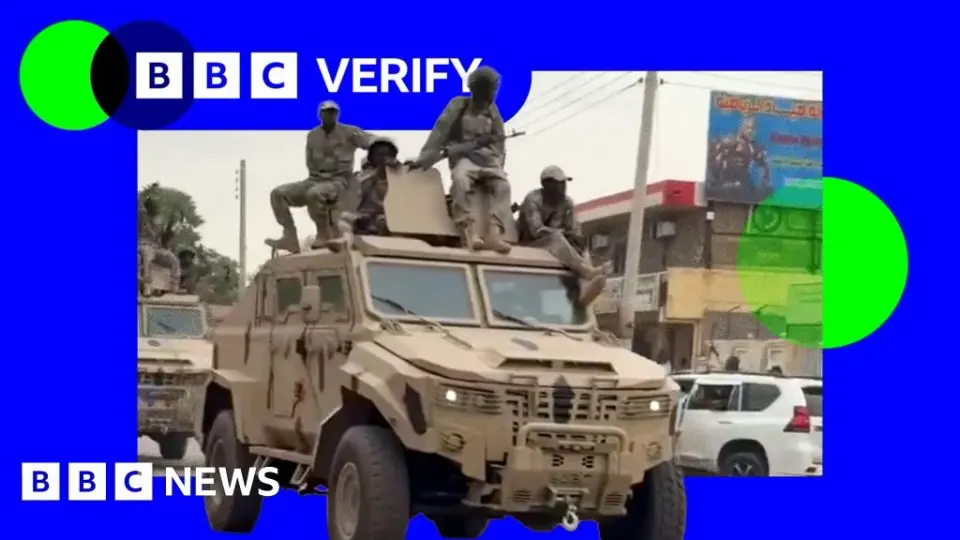
The Sudanese city of El-Obeid is under intense pressure from Rapid Support Forces (RSF) drone strikes and ground advances, trapping over 83,000 displaced civilians. While the Sudanese army claims to have secured key supply routes, the RSF has intensified attacks, causing severe food shortages and infrastructure damage. International bodies warn of potential mass atrocities similar to those in El-Fasher, as child casualties rise and aid access remains blocked.
Key points
- Over 83,000 civilians have fled to El-Obeid, with new arrivals arriving daily despite deteriorating conditions.
- The RSF has conducted a record number of drone strikes, damaging power stations, fuel depots, and supply warehouses.
- The Sudanese army claims to have secured the Al Sadarat highway, breaking the siege, but the RSF has responded with increased aerial attacks.
- UNICEF reports at least 23 children killed and 25 injured in North Kordofan since late May, with 330 child casualties nationwide in the first half of 2026.
- International leaders, including the G7 and EU, have warned of potential mass atrocities and called for a halt to external support for the conflict.
Background
El-Obeid has been a focal point of the Sudanese civil war since 2023, serving as a critical hub connecting RSF-controlled western territories with military-held central regions. Previous coverage highlighted the city's strategic importance and the escalating humanitarian crisis, with the UN warning of potential mass atrocities similar to the El-Fasher massacre in October 2025. The conflict has led to widespread displacement, with millions of people affected by the war, and international organizations have repeatedly called for a ceasefire and protection of civilians.
How outlets are covering it
BBC Verify emphasizes the humanitarian crisis, highlighting the expansion of displacement camps and the lack of safe options for civilians. Africanews focuses on the impact on children, citing UNICEF data on child casualties in North Kordofan. France 24 highlights the military dynamics, noting the Sudanese army's claim of securing key supply routes and the RSF's response with increased drone strikes. All sources agree on the severity of the situation but differ in their emphasis: BBC on humanitarian impact, Africanews on child casualties, and France 24 on military developments.
Why it matters
The situation in El-Obeid is critical because it represents a potential flashpoint for mass atrocities, similar to those in El-Fasher. The city's strategic importance means that its capture could alter the dynamics of the Sudanese civil war, potentially leading to further displacement and humanitarian crises. International attention is crucial to prevent a repeat of past atrocities and to ensure that civilians are protected.
What to watch
The next steps will likely involve continued military engagements between the Sudanese army and the RSF, with potential for further drone strikes and ground advances. International bodies may increase pressure on external actors to halt support for the conflict, and humanitarian organizations will continue to provide aid despite blocked access. The situation could escalate if the RSF succeeds in capturing El-Obeid, potentially leading to mass atrocities and further displacement.
- 'No safe options' for thousands sheltering in key Sudan city as RSF fighters advance BBC
- Sudan civil war: Civilians used as 'human shields' DW.com
- UNICEF says conflict in Sudan's north Kordofan kills 23 children in two months africanews.com
- Rights group accuses RSF of abuses in North Kordofan Sudan Tribune
- Drone strikes and abuse rock Sudan's El-Obeid as conflict intensifies over city France 24
Want the full story? Read the original reporting
Read on BBC