
Russian families demand accountability for Kursk missing after 2024 incursion
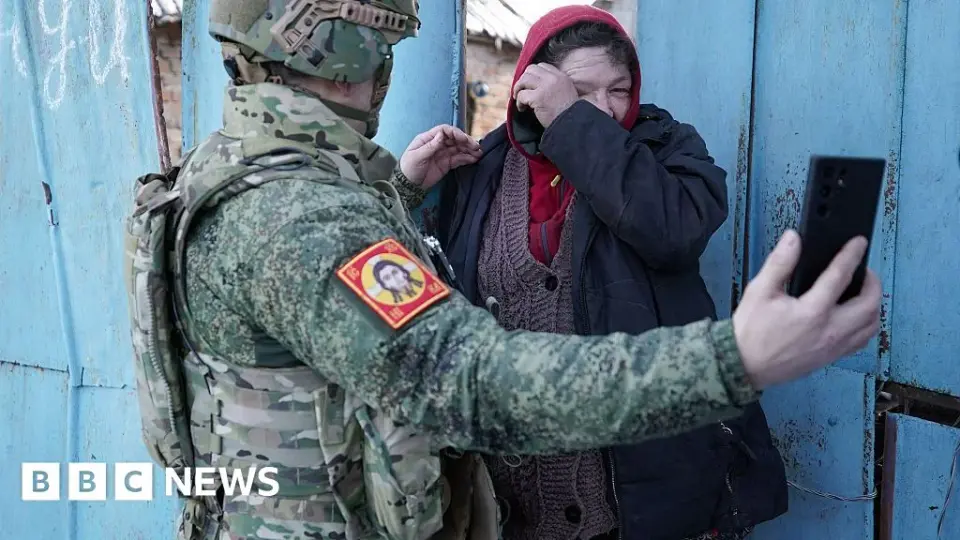
Russian families are demanding answers regarding hundreds of relatives missing since Ukraine's 2024 incursion into the Kursk region. The BBC reports that local authorities failed to evacuate civilians or provide accurate lists of the missing, leaving families to search for loved ones independently. While Russian officials claimed the situation was under control, residents faced months of isolation and heavy fighting. Families have criticized the government's incompetence and lack of support, with some discovering deceased relatives only after months of uncertainty. The Russian government has not responded to BBC inquiries, while Ukraine maintains it handed over all evacuated civilians to Russian authorities.
Key points
- Ukraine's 2024 incursion into Kursk region captured 777 sq km of Russian territory, isolating approximately 2,000 residents for eight months.
- Russian state media initially assured residents that the situation was under control, leading many to remain in occupied areas despite warnings.
- The Kursk governor estimates over 300 Russians are still missing, though the true figure is unknown due to lack of official data.
- Families formed independent groups to compile lists of the missing, eventually gathering around 1,000 names after authorities failed to provide assistance.
- Russia's human rights commissioner published a list of 517 missing persons in early 2025, but families criticized it for mixing up names of the missing with those searching for them.
- Volunteers, including local council head Yuri Tkachev, funded body retrieval efforts themselves after authorities refused to provide resources or coordination.
Background
This story follows the broader conflict between Russia and Ukraine, which escalated with Russia's full-scale invasion in February 2022. The 2024 Kursk incursion was a significant event where Ukrainian forces briefly occupied Russian territory to divert Russian military resources. Previous coverage has highlighted ongoing humanitarian crises and civilian impacts in various conflict zones, including recent incidents in Tibet and Nepal, but this case specifically focuses on the Russian civilian experience during the 2024 Kursk incursion and the subsequent failure of Russian authorities to account for missing residents.
Why it matters
The Kursk incursion highlights the human cost of the Russia-Ukraine conflict beyond the front lines, exposing failures in Russian government response to civilian crises. The lack of official support and accurate information for missing persons underscores the broader issues of state accountability and humanitarian neglect in conflict zones. This case also illustrates the impact of state media propaganda on civilian decision-making during military operations, with significant consequences for those who remained in occupied areas.
What to watch
Families continue to search for missing relatives and demand accountability from Russian authorities. The lack of response from the Kursk governor, Russia's human rights commissioner, or the Russian Red Cross suggests ongoing challenges in addressing civilian concerns. Further investigations into the circumstances of the missing and the handling of their remains may emerge, potentially leading to increased public scrutiny of the Russian government's response to the 2024 incursion.
Want the full story? Read the original reporting
Read on BBC