
Forced Recruitment Spikes in Russia as Kremlin Denies Mobilization Plans
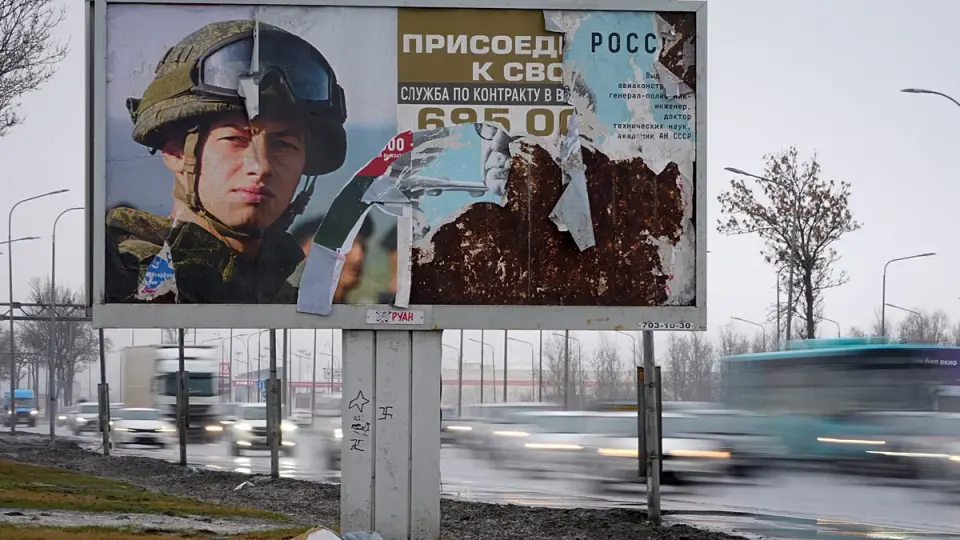
Russian security forces are intensifying coercive recruitment tactics, detaining civilians to sign military contracts amid fears of a new mobilization wave. While the Kremlin denies plans for mass mobilization, human rights groups report a surge in forced enlistments since mid-August, targeting vulnerable individuals across multiple regions.
Key points
- The human rights project Idite Lesom reported 14 cases of forced recruitment between August 10 and 18, marking a peak in activity that began in July.
- Security forces are detaining men on streets, at workplaces, and in police stations, often using pretexts like document checks or public drinking to pressure them into signing contracts.
- Recruiters are also targeting individuals in financial difficulty, including debtors and the unemployed, as well as prisoners in remand centers and colonies.
- The Kremlin has denied plans for mass mobilization, with UN representative Vasily Nebenzya stating it is neither planned nor expected, while spokesman Dmitry Peskov dismissed reports as ideological agitation.
- Ukrainian President Volodymyr Zelenskyy and Western intelligence sources suggest Russia is preparing for mobilization after the September State Duma elections, with drills reported in the Kaliningrad region.
Background
This escalation follows a period of heightened political control and economic strain in Russia, as noted in our July 2026 coverage of the Kremlin's crackdown on dissent ahead of elections. The current recruitment drive occurs against a backdrop of significant military losses, with estimates suggesting Russia has lost over 1.4 million troops since the invasion began in 2022, and monthly losses exceeding 30,000 personnel in 2026.
How outlets are covering it
Euronews and The Moscow Times highlight the systematic nature of the forced recruitment, citing Idite Lesom's data on a sharp increase in cases since mid-August. Meduza provides detailed accounts from the Penza region, describing specific tactics such as luring men with job offers or drugging them in 'drinking houses' to facilitate abduction. Al Jazeera offers a more nuanced view, with analyst Oleg Ignatov suggesting these incidents may be isolated efforts by local authorities to meet quotas rather than a nationwide systemic mobilization. While Euronews and Al Jazeera emphasize the fear and anxiety among the Russian population, The Moscow Times focuses on the Kremlin's denial and the shift from voluntary to coercive recruitment methods.
Why it matters
The surge in forced recruitment indicates a potential shift in Russia's military strategy, moving away from voluntary contract signing to coercive measures as the war drags on. This could lead to increased social unrest, further emigration, and a deeper economic strain as the labor pool shrinks. The denial by the Kremlin contrasts with the on-ground reality reported by multiple sources, highlighting the gap between official narratives and the lived experiences of Russians.
What to watch
Watch for any official announcements or decrees regarding mobilization in the coming weeks, particularly after the September elections. Monitor reports from human rights organizations for further evidence of forced recruitment and any changes in recruitment tactics. The situation may also influence the pace of the Russian offensive in Ukraine and the level of international sanctions or support for Ukraine.
- Mobilisation fears grip Russians as Moscow's forced recruitment spikes Euronews.com
- Russia mobilisation fears grow amid reports of intimidating tactics Al Jazeera
- Anti-War NGO Reports Rise in Forced Enlistments Across Russia The Moscow Times
- How men in one Russian region are being abducted and sent to war Meduza — Новости
- “Meat, where are you going?” Astra Press
Want the full story? Read the original reporting
Read on Euronews.com