
Ukraine Launches First Sea Drone Strike on Russian Resort City of Sochi
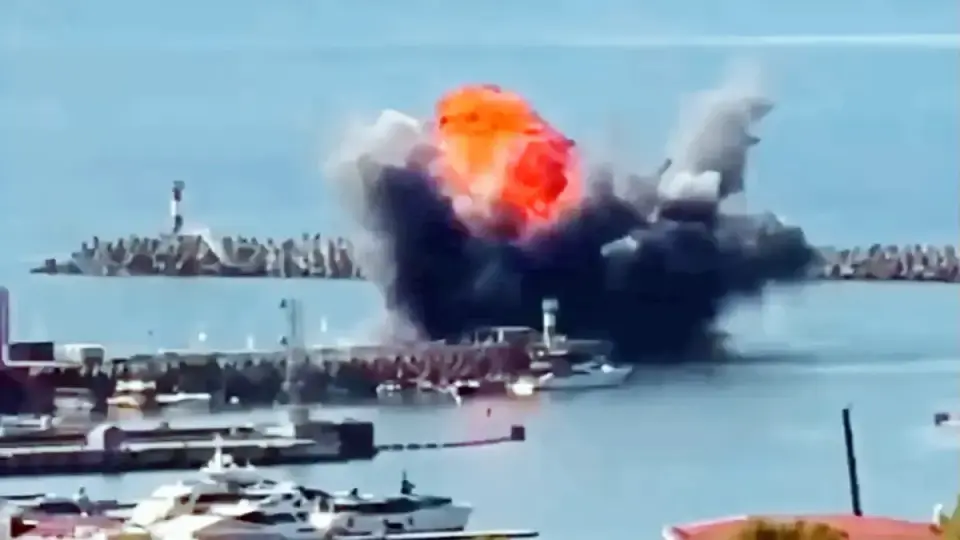
On September 3, 2026, the Ukrainian Navy struck the Russian-flagged support vessel Nefrit in the port of Sochi using an unmanned surface vessel (USV). This marks the first known USV attack on the Black Sea resort city, located approximately 350 miles from Ukrainian-held territory. The Ukrainian Navy stated the strike targeted Russia’s energy infrastructure, claiming the vessel supported oil and gas operations. While video footage confirmed an explosion and smoke, the extent of damage remains unclear. The attack occurred during daylight hours, a departure from previous night-time operations, and coincided with a broader wave of Ukrainian drone strikes against Russian airspace and civilian infrastructure.
Key points
- The Ukrainian Navy confirmed the strike on the Nefrit, a multipurpose support vessel, in Sochi port on September 3, 2026.
- The attack is the first recorded USV strike on Sochi, a city frequently visited by Russian President Vladimir Putin.
- Ukrainian officials stated the Nefrit supported Russia’s maritime and energy infrastructure, including offshore oil and gas servicing.
- The strike occurred in broad daylight, unlike previous USV operations which typically utilized night cover.
- Sochi Mayor Andrey Proshunin declared an emergency at 6:00 AM local time but lifted it within 30 minutes without providing specific damage details.
- The attack was part of a broader Ukrainian campaign that included drone strikes on residential buildings near Moscow and a factory in the Moscow region.
Background
This incident follows a sustained Ukrainian campaign targeting Russian Black Sea naval and energy assets. In August 2026, Ukrainian drones damaged multiple Russian frigates and patrol ships in Novorossiysk, forcing the Russian Black Sea Fleet to retreat from Crimea. Previous USV strikes, such as the 2023 attack on the Olenegorsky Gornyak in Novorossiysk, demonstrated Ukraine’s growing reach. The current strike extends this capability further southeast, targeting a high-profile civilian and political hub rather than a purely military or industrial port.
How outlets are covering it
The Ukrainian Navy framed the strike as a direct blow to Russia’s war economy, emphasizing the Nefrit’s role in supporting offshore energy operations. In contrast, Russian officials, including Sochi Mayor Andrey Proshunin, focused on the security threat, declaring an emergency but offering no details on damage or casualties. Kyiv Post highlighted the broader context of Ukrainian drone strikes reaching Moscow’s doorstep, noting that the Sochi attack coincided with strikes on residential buildings in the Moscow region. While Ukrainian sources emphasized the strategic significance of hitting energy infrastructure, Russian media and officials downplayed the impact, focusing instead on air defense successes and the disruption of civilian life in other regions. No source provided independent verification of the extent of damage to the Nefrit, with some social media footage showing the drone being destroyed before impact, while others confirmed an explosion and smoke.
Why it matters
The strike demonstrates Ukraine’s expanding reach in the Black Sea, targeting high-value civilian and political centers rather than just military or industrial ports. It signals a shift in Ukrainian naval strategy, using USVs to threaten Russia’s energy infrastructure and political leadership in areas previously considered secure. The daylight attack also suggests a potential evolution in Ukrainian tactics, moving away from the cover of darkness. This could pressure Russia to divert resources to defend civilian areas and disrupt its energy logistics, potentially affecting its war economy and international image.
What to watch
Expect further Ukrainian strikes on Russian Black Sea infrastructure, potentially targeting other high-profile cities or energy hubs. Russia may increase air and naval defenses around Sochi and other coastal cities. The Kremlin may respond with retaliatory strikes on Ukrainian energy or civilian infrastructure, as seen in recent drone attacks on Kyiv and Odesa. International observers will monitor the extent of damage to the Nefrit and any potential escalation in the conflict, particularly if civilian casualties are reported. Ukraine may continue to use USVs to target Russian energy assets, aiming to degrade Moscow’s war economy and pressure it into negotiations.
- Ukrainian Sea Drones Strike Russian Black Sea Resort Town Of Sochi For The First Time TWZ
- Ukraine Attacks Ship Used to Repair Key Black Sea Oil Moorings Bloomberg.com
- Ukrainian Navy strikes Russian support vessel in Sochi port Українська правда
- Ukrainian naval drone hits Russian-flagged vessel in Sochi port Ukrinform
- Ukraine’s Drones Reach Moscow’s Doorstep, Hit Homes and Sochi Port Kyiv Post
Want the full story? Read the original reporting
Read on TWZ