
Seoul Withdraws Half of Kyiv Embassy Staff as POW Dispute Escalates
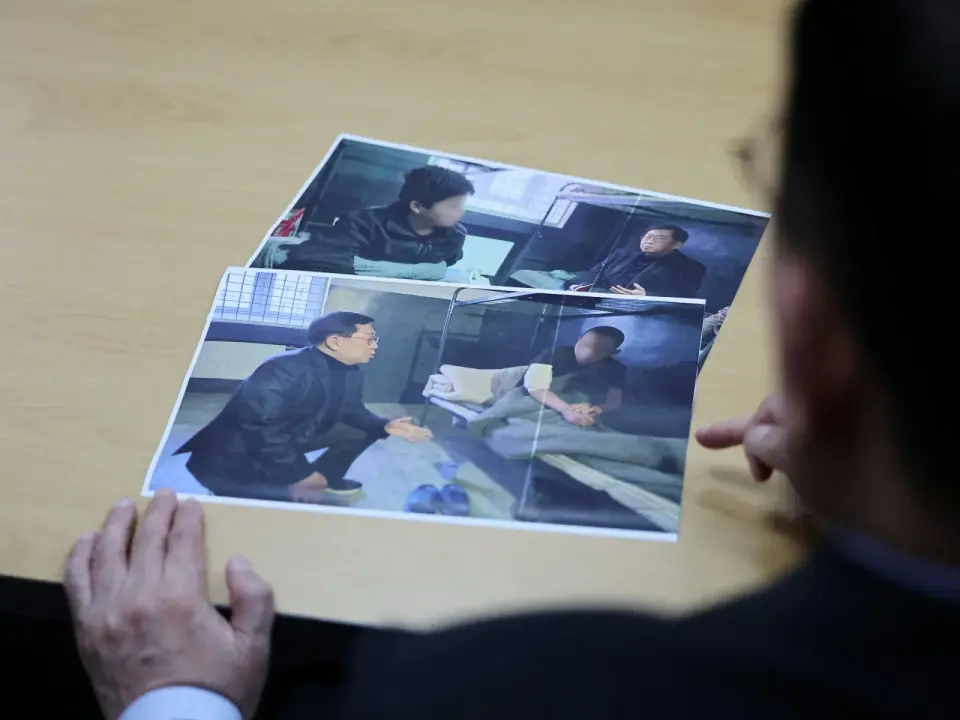
South Korea is withdrawing approximately half of its diplomatic staff from Ukraine, escalating a dispute over the public disclosure of two North Korean prisoners of war transferred to Seoul. The move follows the recall of the South Korean ambassador and stems from Kyiv’s refusal to issue a public apology or acknowledge a confidentiality agreement. While Seoul cites safety concerns and lack of constructive response, European partners express unease, fearing the rift could undermine broader security cooperation and arms sales.
Key points
- South Korea’s Ministry of Foreign Affairs announced the withdrawal of additional embassy personnel from Kyiv on October 20, citing a lack of constructive response from Ukraine and persistent air strike threats.
- The dispute originated when President Volodymyr Zelenskyy disclosed the transfer of two captured North Korean soldiers to South Korea at the UN General Assembly in September, which Seoul claims violated a confidentiality agreement to protect the defectors' families in North Korea.
- Seoul previously recalled its ambassador, Park Ki-chang, on October 8, marking its first such protest since 2008, and has demanded a public apology that Kyiv has refused to provide.
- A charge d’affaires and consular staff will remain in Kyiv to maintain diplomatic communication and protect South Korean nationals, according to Foreign Ministry spokesperson Park Doo-soon.
- European diplomats, including those from the Netherlands, Latvia, and Estonia, have urged Seoul to continue supporting Ukraine, warning that the dispute could impact defense ties and arms sales, which reached $11.03 billion in 2025.
Background
The diplomatic row began in early October 2026 after South Korea rejected Ukraine’s initial apology as insufficient. President Lee Jae-myung threatened 'further measures' if Kyiv did not publicly acknowledge the breach of a confidentiality pact. The dispute has intensified since the ambassador’s recall on October 8, with Seoul insisting that the disclosure endangered the safety of the POWs' families in North Korea and complicated potential prisoner exchanges with Russia. Ukraine has consistently denied the existence of such an agreement, labeling the incident a 'diplomatic misunderstanding.'
How outlets are covering it
Al Jazeera and AP News focus on the immediate diplomatic actions, highlighting Seoul’s decision to withdraw staff due to safety concerns and Kyiv’s lack of response. Korea JoongAng Daily provides a broader geopolitical analysis, noting European unease over the rift and its potential impact on defense partnerships, while also detailing the specific conditions Seoul has set for resolution. Ukrainska Pravda emphasizes the Ukrainian perspective, reiterating Kyiv’s denial of any confidentiality agreement and framing the dispute as a misunderstanding, while also noting the ongoing risk of airstrikes. The outlets differ in emphasis: Al Jazeera and AP focus on the procedural steps of the withdrawal, while Korea JoongAng Daily and Ukrainska Pravda delve into the diplomatic nuances and international reactions.
Why it matters
The escalation signals a significant strain in relations between two countries that have cooperated on security and defense. The dispute could affect South Korea’s standing as a trusted defense partner in Europe, particularly given its growing arms sales to European nations. Additionally, the rift may complicate future prisoner exchanges with Russia and impact post-war reconstruction efforts, as Seoul has pledged $2.3 billion in aid to Ukraine. The situation also highlights the delicate balance between national dignity and strategic interests in international diplomacy.
What to watch
Seoul has stated that the 'ball is in Ukraine’s court,' indicating that further diplomatic steps depend on Kyiv’s response. European countries, including Britain, France, and Germany, have offered to mediate, though Seoul has expressed limited need for third-party involvement. The outcome will likely hinge on whether Kyiv issues a public apology or if European mediation provides a face-saving exit for both sides. Continued consultations are expected, but the dispute may persist if core demands are not met.
- South Korea to pull more embassy staff from Ukraine after POW row Al Jazeera
- South Korea to withdraw some embassy staff from Ukraine as row over POW transfer deepens AP News
- European partners voice unease over South Korea's rift with Ukraine Korea JoongAng Daily
- South Korea recalls part of its diplomatic staff from Ukraine over POWs dispute Українська правд��
- South Korea to withdraw some embassy staff from Ukraine NHKニュース
Want the full story? Read the original reporting
Read on Al Jazeera