
Houthi Siege of Taiz Triggers Humanitarian Crisis and Stalls Yemeni Counteroffensive
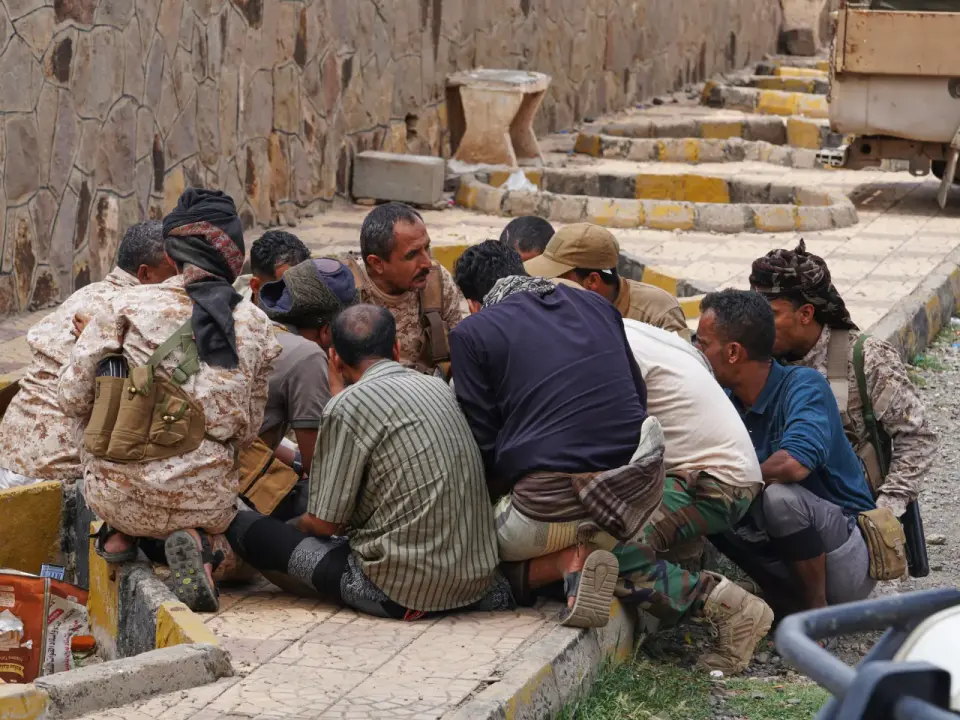
Houthi forces have encircled Taiz, Yemen’s third-largest city, cutting off the only supply route to Aden and blocking aid to 800,000 people. The siege has left 32 civilians dead, including 14 children, and caused a severe shortage of food, fuel, and medical supplies. While the internationally recognized government launched the 'Dawn of Yemen' counteroffensive in October, it has stalled, failing to retake key coastal areas like Mokha. The conflict has escalated into a broader regional crisis, with cross-border missile attacks on Saudi Arabia and international debate over military intervention.
Key points
- UN Human Rights Chief Volker Turk warned that the Houthi closure of the Taiz-Aden supply route is placing civilians at grave risk and blocking humanitarian aid.
- At least 32 civilians, including 14 children and nine women, have been killed in Taiz governorate between August 1 and October 19, 2026.
- The UN World Food Programme reported that wheat flour stocks in Taiz are nearly exhausted, and 10 of 16 districts are at emergency food insecurity levels.
- WHO reported that 12 hospitals in Taiz have only four days of fuel remaining, and 115 of 127 essential medicines have less than one week of stock.
- The Yemeni government’s 'Dawn of Yemen' counteroffensive, launched on October 5, has stalled, failing to retake the coastal city of Mokha from Houthi control.
- Saudi Arabia intercepted a Houthi ballistic missile aimed at Riyadh, and the UK announced it would deploy Typhoon fighter jets for defensive support of Saudi Arabia.
Background
The current crisis follows the collapse of a 2022 ceasefire and a September Houthi offensive that captured Yemen’s Red Sea coast. Previous archive coverage noted that government forces recaptured the Hais district in early September but faced intense clashes. By mid-October, medical systems in Taiz were already on the brink of collapse due to supply cuts, and children were facing lethal risks in makeshift classrooms. The current siege represents a significant escalation from these earlier phases of the conflict.
How outlets are covering it
Al Jazeera and UN News emphasize the immediate humanitarian catastrophe, citing specific death tolls, food shortages, and the collapse of medical infrastructure. UN News highlights the displacement of 250,000 people and the lack of clean water in overcrowded camps. Responsible Statecraft provides a broader strategic analysis, noting that the 'Dawn of Yemen' counteroffensive has stalled due to fragmented government forces and Houthi control of contiguous territory. It also highlights the geopolitical dimension, pointing out that Saudi Arabia is hesitant to escalate against Iran, the Houthis' primary patron, despite aggressive airstrikes on Houthi targets. Al Jazeera notes that international support for the anti-Houthi alliance is likely limited to air and naval support, with no ground forces expected.
Why it matters
The siege of Taiz threatens to destabilize the entire region, as the city is a key logistical hub for the internationally recognized government. The humanitarian crisis could lead to a mass exodus, straining neighboring countries. The stalled counteroffensive suggests that the Saudi-backed government may not be able to reverse Houthi gains, potentially leading to a long-term division of Yemen. The cross-border attacks on Saudi Arabia and the involvement of international actors like the UK and Egypt indicate that the conflict is no longer contained within Yemen, with implications for global energy markets and regional security.
What to watch
The UN is expected to continue pressing for humanitarian access to Taiz, while the Yemeni government may attempt to adjust its military strategy in response to the stalled counteroffensive. Saudi Arabia and its allies may increase air strikes on Houthi positions, but a ground intervention is unlikely. Diplomatic efforts may focus on Iran's role, though Yemen's government has rejected Iranian mediation offers. The humanitarian situation in Taiz is likely to deteriorate further if the siege continues, with potential for more civilian casualties and a health emergency.
- Yemen’s Taiz faces deadly siege, as Shabwah death toll rises Al Jazeera
- Major Yemeni City Running Out of Food and Water as Houthis Encircle It The New York Times
- UN says besieged Yemen city at 'grave risk' as Houthis attack PBS
- Yemen war continues to force families from homes amid hunger and disease UN News
- As Houthis encircle Taiz, Yemen's Saudi-backed gov't faces disaster Responsible Statecraft
Want the full story? Read the original reporting
Read on Al Jazeera