
Iraq Dismisses Commander After Saudi Pipeline Drone Attack; Riyadh Holds Retaliation
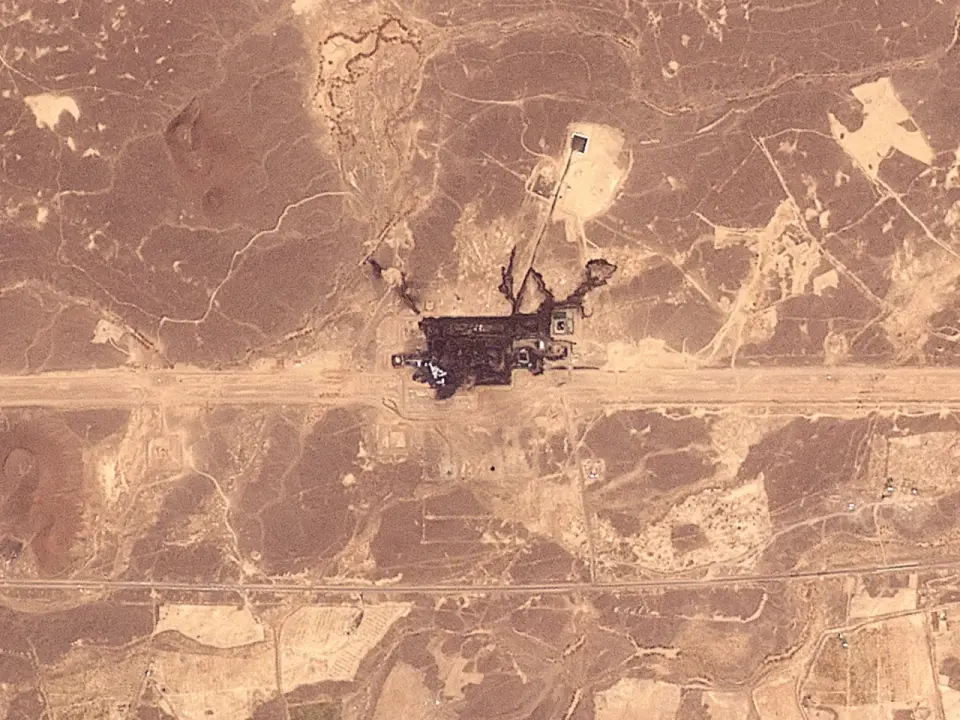
Saudi Arabia’s East-West oil pipeline was struck by drones launched from Iraq, causing fires and injuries. Riyadh suspended operations but withheld retaliation at Baghdad’s request. Iraq dismissed a military commander in Maysan province and formed an investigative council. The attack coincides with a major Houthi advance in Yemen, threatening Red Sea shipping routes.
Key points
- Saudi Arabia’s Ministry of Foreign Affairs condemned drone attacks on the East-West pipeline in Riyadh and Medina, attributing them to Iraq.
- Riyadh suspended pipeline operations as a precaution but agreed to withhold retaliation at the request of Iraqi Prime Minister Ali al-Zaidi.
- Iraq dismissed the military commander of Maysan province after investigations confirmed the attacks originated from its territory.
- An investigative council was formed to probe the Maysan Operations Command, and Iraq condemned the breach of its sovereignty.
- The GCC condemned the attack as a violation of international law and urged Iraq to prevent its territory from being used for aggression.
- Satellite imagery confirmed fires at pumping stations near Medina and Al Mesba'ah, with oil prices surging past $100 per barrel.
Background
This incident follows a pattern of escalating tensions in the Middle East, including joint US-Saudi strikes against Iran-backed militias in Iraq in July 2026. The East-West pipeline has become critical for Saudi oil exports since Iran’s closure of the Strait of Hormuz. Recent Houthi attacks on Saudi civilian and energy facilities in September 2026 have heightened concerns about regional stability and oil supply security.
How outlets are covering it
Al Jazeera emphasizes Saudi Arabia’s diplomatic restraint and Iraq’s internal accountability measures, such as the dismissal of the Maysan commander. CNN focuses on the physical damage to pumping stations, the uncertainty regarding repair timelines, and the broader impact on oil markets and US-Iran dynamics. BBC highlights the strategic implications of the Houthi advance in Yemen, linking the pipeline attack to Iran’s broader leverage over global shipping chokepoints like the Bab al-Mandab and Strait of Hormuz.
Why it matters
The attack on Saudi Arabia’s East-West pipeline threatens a critical alternative route for oil exports, bypassing the Strait of Hormuz. It underscores the vulnerability of regional energy infrastructure to proxy conflicts and highlights the complex interplay between Saudi-Iraqi relations, Houthi advances in Yemen, and broader US-Iran tensions. The incident could further destabilize oil markets and regional security.
What to watch
Iraq’s investigative council will probe the Maysan Operations Command, and Saudi Arabia may resume pipeline operations once repairs are complete. The Houthi control of the Red Sea coast could lead to further disruptions in shipping and energy exports. Regional powers, including the GCC and the US, may increase diplomatic and security efforts to contain escalation.
- Saudi Arabia says East-West pipeline hit by drones launched from Iraq Al Jazeera
- Saudis Shut Down Crucial Pipeline After Drone Attack From Iraq The New York Times
- Saudis shut down oil pipeline as Houthis tighten grip on Red Sea shipping Reuters
- Saudi oil pipeline shut down after attack triggers fires cnn.com
- Lightning Houthi advance in Yemen may bring dangerous new dimension to Iran war bbc.com
Want the full story? Read the original reporting
Read on Al Jazeera