
Ethiopian Border Clashes Displace 50,000, Straining Kenyan Host Communities
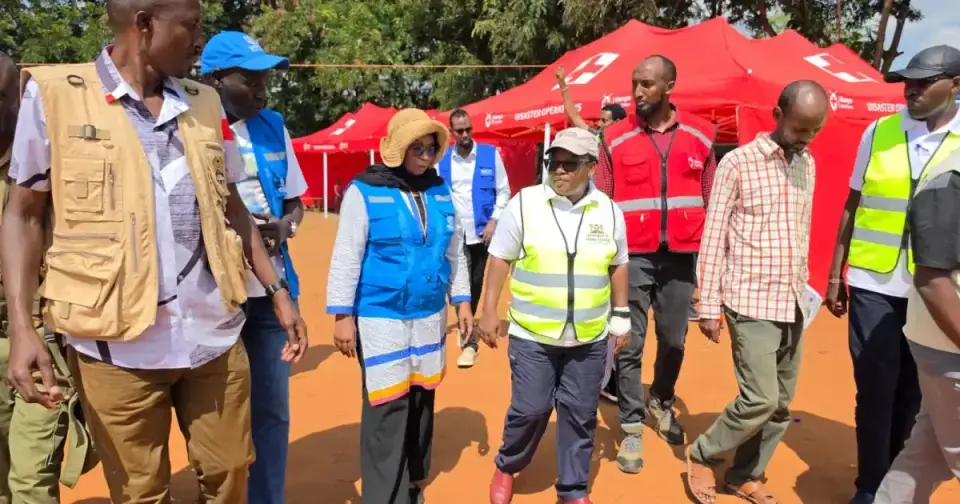
Violence in Ethiopia’s Moyale region has displaced over 50,000 people, primarily into Kenya. A rapid assessment of 758 households found that 71% lack sufficient food and 80% cite food as their most urgent need. The crisis stems from a long-standing territorial dispute between Ethiopia’s Oromia and Somali regional administrations, which escalated in mid-October after the display of the Somali flag. While approximately 10,000 people are in temporary shelters, the majority are staying with host families, placing immense strain on local resources. Gunfire continues in the area, and authorities have not yet established a dedicated refugee camp due to security concerns.
Key points
- Over 50,000 people have been displaced by clashes in Ethiopia’s Moyale area, with the majority crossing into Kenya.
- A humanitarian assessment found that 71% of surveyed households lack enough food, and 44% have insufficient access to drinking water.
- The conflict is rooted in a dispute over land and administrative control between Ethiopia’s Oromia and Somali regional governments.
- Tensions escalated around October 18 following the raising of the Somali regional flag in the disputed area.
- Kenyan host communities are struggling to provide for the influx, with some families now feeding 20 to 30 people instead of their usual five or six.
- Gunfire continues in Moyale, and a dedicated refugee camp has not been established until security improves.
Background
This conflict follows a pattern of instability in the Horn of Africa, including recent tensions between Ethiopia and Eritrea over the Tigray region. The Moyale dispute is distinct from the Tigray war but occurs alongside it, highlighting broader regional fragility. Previous coverage in October noted initial cross-border flight and emergency aid to 1,000 households, which has since escalated significantly.
How outlets are covering it
Al Jazeera and The Times of India emphasize the human toll, citing a specific account of a 13-year-old girl shot near a wall, though this detail could not be independently verified. UN News and allAfrica.com focus on the quantitative humanitarian crisis, highlighting that 71% of households face food shortages and 44% lack clean water. Security analyst Dr. Abdiwahab Sheikh Abdisamad, cited by Al Jazeera, argues the conflict exposes deeper ethnic divisions and political competition, warning of potential cross-border security risks for Kenya. Kenyan officials, including Inspector General of Police Douglas Kanja, focus on border security and coordination with Ethiopia to end the fighting, while humanitarian agencies stress the urgent need for food, water, and shelter for the displaced.
Why it matters
The displacement of 50,000 people creates a significant humanitarian and security challenge for Kenya, straining local resources and border stability. The acute food and water shortages pose immediate health risks, particularly for children, with 50% of arrivals being minors. The unresolved territorial dispute between Oromia and Somali regions risks further escalation, potentially destabilizing the broader region and affecting trade routes between Kenya and Ethiopia.
What to watch
Authorities are mobilizing humanitarian organizations and donors to address the crisis, while Kenya is engaging Ethiopia’s federal government to end the conflict. A dedicated refugee camp may be established once security improves. Continued monitoring of the situation is critical to prevent further displacement and ensure aid reaches those in need.
- More than 50,000 displaced by deadly Ethiopia border clashes Al Jazeera
- Food Shortages Hit Thousands of Ethiopian Refugees in Kenya allAfrica.com
- Families who fled Ethiopia for Kenya’s Moyale need food, water and shelter UN News
- Ethiopia border violence displaces over 50,000, families flee to Kenya The Times of India
- UN allocates Sh387 million for Ethiopian refugees in Moyale Daily Nation
Want the full story? Read the original reporting
Read on Al Jazeera