
Houthis Claim Direct Hits on Saudi Defense Ministry and Oil Refinery as Tehran Hosts Regional Security Summit
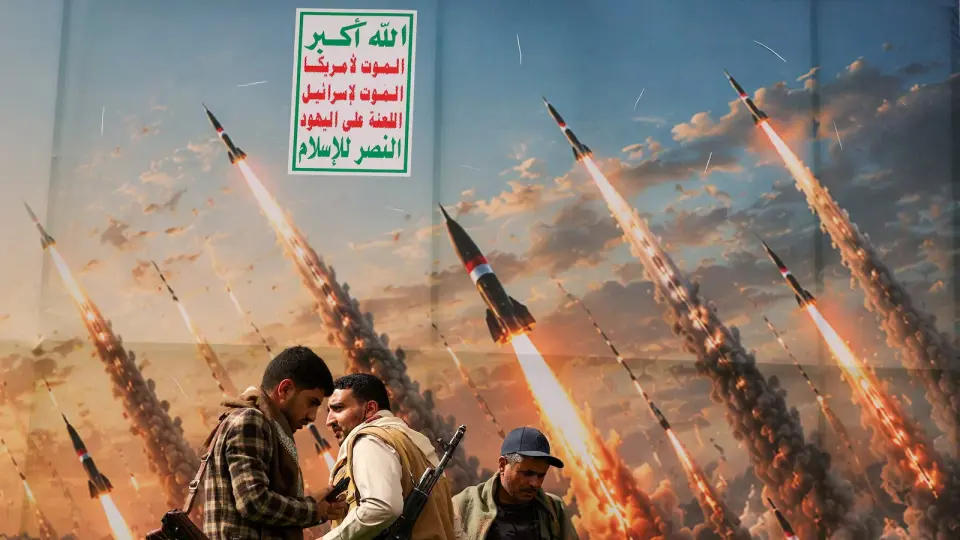
Iran-backed Houthis claimed direct strikes on Saudi Arabia's defense ministry and Ras Tanura oil refinery, though Saudi authorities reported intercepting missiles and launching counter-strikes. These attacks occurred alongside a security summit in Tehran involving Saudi Arabia, Turkey, and Pakistan, aimed at de-escalating regional tensions. Meanwhile, US intelligence warned of increased Iranian efforts to target American officials abroad.
Key points
- Houthi spokesperson Yahya Saree claimed a ballistic missile directly hit the Saudi Ministry of Defense in Riyadh and caused massive fires at the Ras Tanura oil refinery, though Saudi officials did not confirm these specific impacts.
- Saudi-led coalition spokesperson Major-General Turki al-Maliki reported intercepting three ballistic missiles and four drones aimed at the Eastern Province and southern regions, noting no casualties resulted from the interceptions.
- Iran hosted a security summit in Tehran with Saudi Arabia, Turkey, and Pakistan, chaired by President Masoud Pezeshkian and Supreme National Security Council secretary Mohsen Rezaei, to discuss regional peace and security.
- US Director of National Intelligence Jay Clayton informed Secretary of State Marco Rubio that Iran has 'substantially increased' efforts to target American officials abroad, prompting security adjustments at embassies in the region.
- The Houthis claimed responsibility for a new attack on King Khalid International Airport in Riyadh shortly after flights resumed, while Saudi forces launched retaliatory airstrikes against missile storage and launch sites in Houthi-controlled Yemen.
Background
This escalation follows a series of deadly Houthi strikes on Riyadh's King Khalid International Airport in early October, which killed at least 13 people and injured over 300, marking the deadliest attack on Saudi soil in over a decade. These incidents prompted President Trump to consider direct US military intervention and led to FAA travel warnings for airlines. The current conflict is part of a broader regional war that began in February with joint US-Israeli strikes on Iran, which killed Supreme Leader Ayatollah Ali Khamenei and other top officials. Although a memorandum of understanding was signed in June, talks have stalled, and fighting has intensified between Saudi-backed forces and Iran-backed Houthis in Yemen.
How outlets are covering it
ABC News emphasized the diplomatic dimension, highlighting the Tehran security summit and the US intelligence warning regarding threats to American officials. Al Jazeera focused on the military interceptions, noting that the Saudi-led coalition downed multiple missiles and drones without casualties, and framed the summit as an effort to prevent military escalation. NDTV highlighted the Houthi claims of direct hits on critical infrastructure, specifically the defense ministry and Ras Tanura refinery, contrasting these claims with Saudi denials of confirmed damage. While all sources agree on the ongoing Houthi attacks and the diplomatic meeting, they differ in emphasis: ABC and Al Jazeera stress the defensive and diplomatic responses, whereas NDTV focuses on the Houthi narrative of successful strikes on strategic targets.
Why it matters
The continued Houthi attacks on Saudi infrastructure threaten regional stability and global energy markets, particularly given the potential impact on oil loading operations at Ras Tanura. The US intelligence warning indicates a rising threat to American personnel abroad, potentially influencing US foreign policy and military posture. The Tehran summit represents a critical diplomatic effort to de-escalate the conflict, involving key regional powers, and could influence the trajectory of the broader US-Iran war and the humanitarian crisis in Yemen.
What to watch
The outcome of the Tehran security summit will determine whether diplomatic channels can prevent further military escalation. Saudi Arabia and its allies will likely continue counter-strikes against Houthi infrastructure in Yemen. The US may adjust embassy security protocols and potentially increase military support for Saudi Arabia in response to the intelligence warnings. The situation in the Strait of Hormuz and global oil prices will remain sensitive to any further disruptions in shipping or oil production.
- Iran live updates: Houthis claim new attack on Riyadh airport, Saudis report interception ABC News - Breaking News, Latest News and Videos
- Yemen's Houthis say they hit Saudi Ras Tanura oil refinery with missile Reuters
- Saudi Arabia Contains Fire Near Ras Tanura Oil Hub After Attack Bloomberg.com
- Saudi-led coalition says it downed Houthi missiles, drones aimed at kingdom Al Jazeera
- "Direct Hit": Houthis Claim Targeted Saudi Ministry With Ballistic Missile NDTV
Want the full story? Read the original reporting
Read on ABC News - Breaking News, Latest News and Videos