
Ukraine’s Jet-Drone Interception Rates Rise to 74% Despite Starlink Disruptions
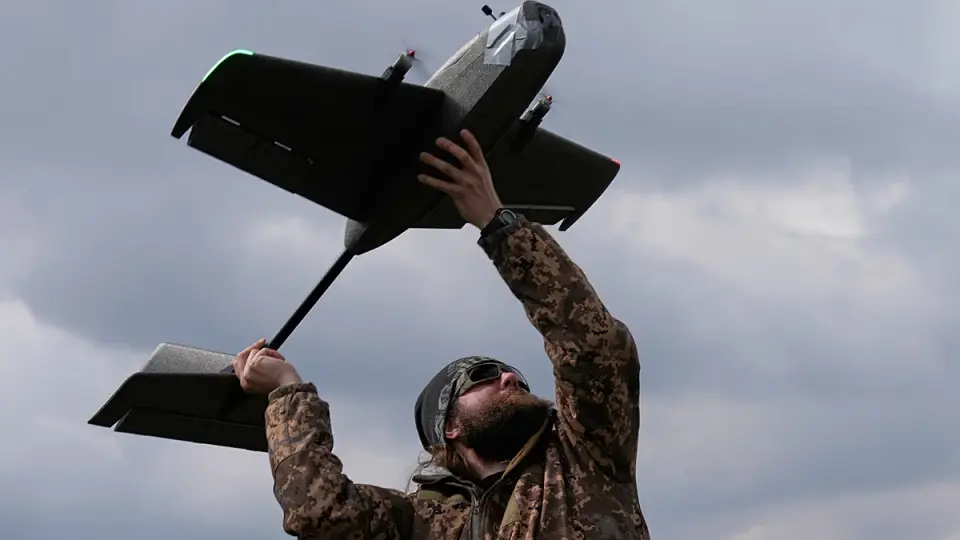
Ukraine’s ability to intercept Russian jet-powered attack drones has improved significantly, rising from approximately 60% in early September to around 74% by late October, according to the Institute for the Study of War (ISW). However, this progress was temporarily hindered by disruptions to US Starshield satellite services between October 14 and 24, which caused interception rates to dip slightly. Ukrainian officials confirmed that these restrictions were lifted on October 24. While some individual air defense units report success rates exceeding 80%, the overall national figure remains below the 95% interception rate achieved against slower, conventional propeller-driven drones. The reliance on US satellite connectivity for high-speed interceptor operations highlights a critical vulnerability in Ukraine’s air defense network.
Key points
- Interception rates for Russian jet-powered drones rose from 60% in early September to 74% by late October, per ISW.
- Disruptions to Starshield satellite services between October 14 and 24 caused a slight dip in interception rates, exposing dependency on US infrastructure.
- Some Ukrainian air defense units achieved interception rates exceeding 80%, though these are not representative of nationwide performance.
- Ukraine is developing the F-Jet 80, an AI-guided interceptor drone with a target unit cost of $7,000, compared to $1 million for F-16 air-to-air missiles.
- Russia launched 140 Shahed-type drones, including 70 jet-powered models, in a single overnight attack on October 25-26, according to Ukrinform.
Background
In late September, Ukraine’s interception rate for jet-powered drones stood at 55-57%, prompting concerns about the cost and scalability of defense systems. By early October, rates had improved to 50-70% as Ukraine tested new systems, including German-developed SPYS interceptors and AI-enabled turrets. The current figures represent a continued upward trend, though the recent Starlink disruption revealed the fragility of this progress. Russia has expanded its use of faster Geran-4 and Geran-5 drones, which fly higher and faster than previous models, challenging existing defenses. Ukraine previously achieved 95% interception rates against conventional Shahed drones, but jet-powered variants remain a persistent threat, particularly as winter approaches.
How outlets are covering it
The Institute for the Study of War (ISW) emphasizes the strategic importance of affordable, high-speed interceptor drones, noting that Ukraine must scale production to sustain high interception rates. ISW highlights the F-Jet 80 as a potential solution due to its low cost and AI integration. The Kyiv Independent focuses on the role of fighter jets, including F-16s, Mirage, and MiG-29s, in intercepting jet-powered drones, while noting the drawbacks of using expensive missiles and the risks to pilots. Ukrinform provides operational data, confirming that 112 drones and three missiles were neutralized in a single overnight attack, with 56 of the downed drones being jet-powered. UNITED24 Media, while primarily focused on broader drone impact, notes that Ukrainian drones have eliminated or wounded 300,000 Russian soldiers in less than a year, underscoring the broader effectiveness of Ukrainian drone warfare, though this figure is not directly related to air defense interception rates. The outlets differ in emphasis: ISW focuses on technological and economic solutions, The Kyiv Independent highlights military assets and operational challenges, and Ukrinform provides concrete attack data.
Why it matters
The ability to intercept jet-powered drones is critical for protecting Ukrainian cities and infrastructure from Russian aerial attacks. The recent improvement in interception rates, despite Starlink disruptions, demonstrates progress in developing effective countermeasures. However, the reliance on US satellite services and the high cost of current interceptors pose significant risks. Developing affordable, scalable solutions like the F-Jet 80 is essential for sustaining defense capabilities as Russia continues to expand its use of faster, harder-to-intercept drones. The upcoming winter season may see increased Russian aerial attacks, making the scalability of Ukraine’s air defense network a key factor in its ability to protect its population and infrastructure.
What to watch
Ukraine is expected to continue testing and deploying new interceptor systems, including the F-Jet 80, to improve interception rates and reduce costs. The military will likely focus on scaling production of affordable interceptors to counter Russia’s expanding use of jet-powered drones. Additionally, Ukraine may seek to reduce its dependency on US satellite services by developing domestic alternatives or enhancing ground-based defense systems. The coming weeks will likely see further testing of new systems, including AI-enabled turrets and mobile fire groups, as Ukraine prepares for potential increases in Russian aerial attacks during the winter season.
- Ukraine improves drone interception rates despite Starlink disruptions Euronews.com
- Ukraine’s Drones Have Eliminated or Wounded an Army of 300,000 Russians in Less Than a Year UNITED24 Media
- Ukraine intercepting more Russian Geran-4 jet-powered drones, General Staff says The Kyiv Independent
- Ukraine’s air defenses down 112 Russian drones, three missiles overnight Ukrinform
- Ukraine Downs 257 Russian Targets, Including 2 Ballistic Missiles and 255 Drones in Overnight Attack Kyiv Post
Want the full story? Read the original reporting
Read on Euronews.com