
Mutual Drone Barrage Hits Energy Grids as Kyiv Leaders Clash Over Winter Preparedness
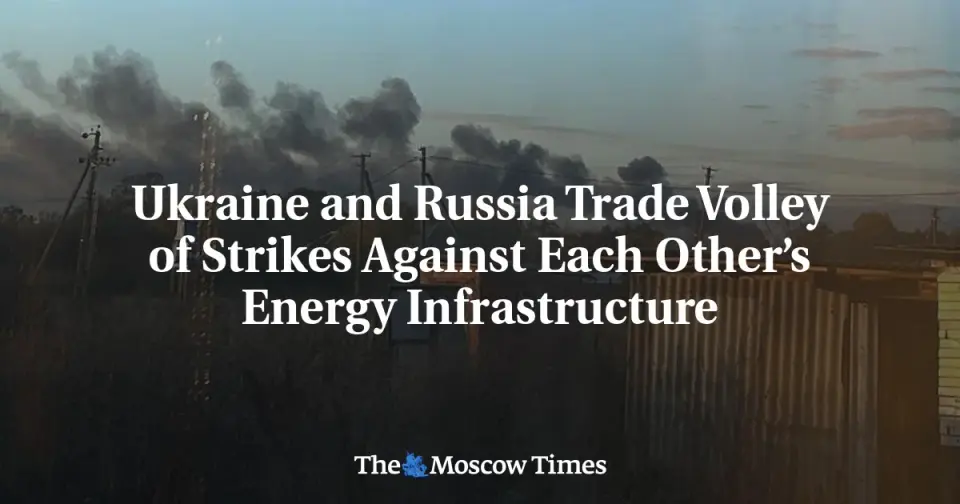
Ukraine and Russia exchanged massive drone and missile strikes on November 6, targeting each other’s energy and industrial sites. Russian attacks caused widespread power outages in seven Ukrainian regions, including Kyiv, while Ukrainian strikes hit the Afipsky refinery in Russia. The crisis has intensified a public feud between President Zelenskiy and Kyiv Mayor Klitschko over the capital’s unpreparedness for winter, even as both sides prepare for U.S.-mediated peace talks in Abu Dhabi.
Key points
- Russia intercepted 142 Ukrainian drones, while Ukraine reported neutralizing 196 Russian drones during the overnight exchange.
- Ukrainian strikes ignited a fire at the Afipsky oil refinery in Krasnodar, a facility processing 3% of Russia’s crude.
- Russian attacks caused power outages in seven Ukrainian regions, with the Kyiv region facing the most severe grid damage.
- Zelenskiy and Mayor Klitschko publicly traded blame for Kyiv’s inadequate winter energy preparations and resilience plans.
- The strikes occurred ahead of U.S.-mediated trilateral negotiations scheduled for November 10-11 in Abu Dhabi.
Background
This escalation follows a pattern of reciprocal strikes on energy infrastructure since the 2022 invasion. In late September, Ukraine launched a massive drone campaign against Russian oil and defense sites, prompting Putin to signal escalation against Ukraine’s grid. A UN panel in October concluded that Russia’s energy strikes constituted crimes against humanity. The current conflict also follows a deadly Russian strike on an aid distribution site in southern Ukraine that killed 31 people on November 3.
How outlets are covering it
The Moscow Times and ABC News emphasize the scale of the mutual drone exchange and the specific damage to the Afipsky refinery and Kyiv’s grid. U.S. News & World Report focuses on the political fallout in Kyiv, highlighting the public feud between Zelenskiy and Klitschko over the city’s failure to prepare for winter. The Institute for the Study of War provides broader strategic context, noting that these strikes aim to coerce Ukraine into capitulation and that Russia is cutting military expenditures to manage budget deficits. While all sources confirm the energy focus, U.S. News highlights the domestic political tension in Ukraine, whereas ISW frames the strikes as part of a broader coercive strategy.
Why it matters
The strikes threaten to plunge millions into a winter without heating or electricity, exacerbating civilian suffering. The public feud between Kyiv’s leadership risks undermining domestic unity and emergency response efforts. Furthermore, the continued escalation complicates upcoming peace negotiations in Abu Dhabi, as Ukraine seeks to halt attacks on critical infrastructure while Russia maintains its coercive strategy.
What to watch
U.S.-mediated trilateral negotiations are scheduled for November 10-11 in Abu Dhabi, focusing on post-war security and de-escalation. Ukraine is expected to demand an end to strikes on energy infrastructure. Meanwhile, emergency repair crews in Kyiv will continue to work to restore the damaged grid as temperatures drop.
- Ukraine and Russia Trade Volley of Strikes Against Each Other’s Energy Infrastructure The Moscow Times
- Zelenskiy, Kyiv Mayor Trade Blame as Russian Strikes Plunge City Into Darkness U.S. News & World Report
- Russian strikes cause new outages in 7 Ukrainian regions, Kyiv area worst hit, official says Reuters
- Russian Offensive Campaign Assessment, November 3, 2026 Institute for the Study of War
- Ukraine and Russia trade hundreds of drones overnight, as Moscow continues targeting energy infrastructure ABC News - Breaking News, Latest News and Videos
Want the full story? Read the original reporting
Read on The Moscow Times