
Russia Launches Largest Energy Assault on Ukraine Since Spring, Killing Five
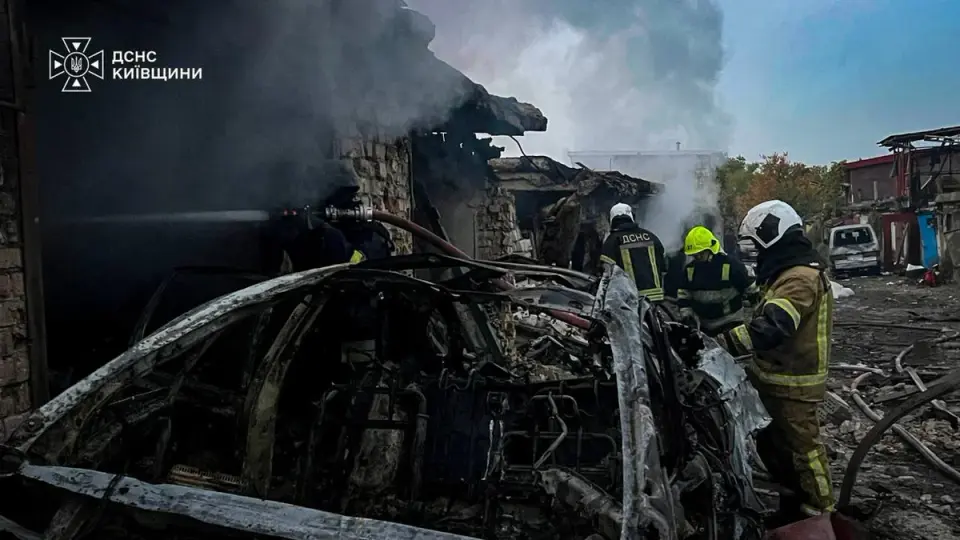
Russia launched its most significant attack on Ukraine's energy grid since spring, targeting 11 regions and killing five people, including a child. The strikes, which included missiles and drones, damaged the Trypilska power plant and forced emergency power cuts in Kyiv. Prime Minister Serhii Koretskyi described the assault as the largest combined attack on energy infrastructure since the previous heating season ended. While DTEK restored power to 8,000 households, grid operator Ukrenergo ordered emergency outages and advised residents to limit appliance use. The attack coincides with a new Russian use of specialized warheads designed to destroy high-voltage pylons, signaling a potential escalation in tactics ahead of winter.
Key points
- Five people were killed and 14 wounded across 11 Ukrainian regions in overnight strikes.
- The Trypilska Thermal Power Plant, a key supplier to Kyiv, suffered damage to generating equipment.
- Ukrenergo implemented emergency power cuts in Kyiv and advised residents to avoid using powerful appliances between 10:00 and 16:00.
- DTEK restored electricity to 8,000 households but noted the night was difficult for the capital's grid.
- Russia used a cumulative-cutting special payload warhead (KRSN) on jet-powered drones for the first time, specifically designed to destroy high-voltage pylons.
Background
This escalation follows months of increasing Russian pressure on Ukraine's energy sector. In late August and September, Russia signaled preparations for massive strikes in retaliation for Ukrainian attacks on Russian energy sites, while diplomatic efforts for an energy ceasefire stalled. Earlier in September, President Trump claimed a pause in energy strikes had been agreed upon, though President Zelenskyy questioned the existence of a formal deal. The current attack marks a significant intensification of the campaign that has characterized every winter since the full-scale invasion began in 2022.
How outlets are covering it
Kyiv Post and BBC reported the attack as the largest on energy infrastructure since the spring, with Koretskyi emphasizing the scale of the combined assault. BBC noted that Russia's defense ministry claimed the Trypilska plant supplied electricity to Ukrainian defense facilities, a claim disputed by Ukrainian operators who focus on civilian impact. France 24 highlighted the immediate operational response, including emergency power cuts ordered by Ukrenergo and the broader context of NATO tensions, including Russian nuclear warnings regarding Kaliningrad. Ukrainska Pravda provided a technical perspective, reporting that Russia used a specialized KRSN warhead on jet-powered drones for the first time, suggesting a strategic shift toward targeting high-voltage transmission lines to maximize grid disruption. While all outlets agreed on the severity of the strike, they differed in emphasis: Kyiv Post focused on the human toll and specific damage in Kyiv, BBC on the geopolitical implications and casualty breakdown, France 24 on the immediate grid management and broader European security context, and Ukrainska Pravda on the new weaponry employed.
Why it matters
The attack signals a deliberate Russian strategy to cripple Ukraine's energy capacity before winter, potentially causing severe humanitarian and economic consequences. The use of specialized warheads against pylons indicates a shift from targeting generation plants to disrupting transmission, which could lead to prolonged outages even if generation capacity remains intact. This escalation undermines any potential diplomatic pauses on energy strikes and increases the urgency for international support in air defense and grid repair. The damage to the Trypilska plant, a critical supplier for Kyiv, highlights the vulnerability of the capital's infrastructure and the potential for widespread blackouts in the coming months.
What to watch
Ukraine will likely face continued power shortages and emergency outages as repair crews assess and fix damage to the Trypilska plant and other facilities. The use of KRSN warheads suggests future attacks may focus more on high-voltage transmission lines, requiring enhanced air defense and grid hardening. Diplomatic efforts to secure an energy ceasefire may face further hurdles as Russia escalates its campaign. Ukraine may seek increased international support for air defense systems and grid repair, while residents in affected regions will need to prepare for potential prolonged outages and heating disruptions. The situation may also influence NATO's response to Russian nuclear warnings and hybrid threats in the Baltic region.
- Russia Unleashes Massive Energy Strikes on Ukraine Ahead of Winter, Killing Five Kyiv Post
- Russia attacks Ukrainian energy grid, forcing power cuts as winter looms reuters.com
- Russia launches largest attack on Ukraine energy infrastructure since spring bbc.com
- Live: Ukraine’s grid operator orders emergency power cuts in Kyiv after Russian strikes France 24
- Russia uses warhead designed to destroy power lines on jet-powered UAV for the first time Українська правда
Want the full story? Read the original reporting
Read on Kyiv Post