
Russian strikes leave 850,000 Ukrainians without power ahead of Abu Dhabi talks
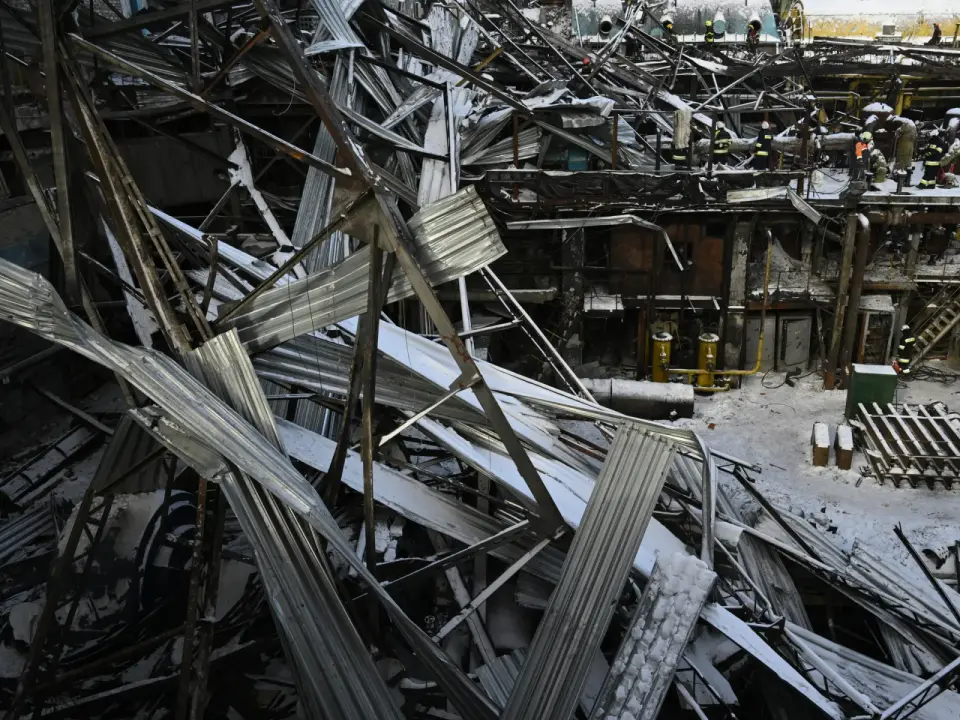
Russian overnight attacks on energy facilities in Dnipropetrovsk and Kharkiv left approximately 850,000 people without electricity. President Zelenskyy accused Moscow of escalating strikes to pressure Kyiv ahead of US-brokered peace talks in Abu Dhabi, while repair efforts were hampered by repeated attacks.
Key points
- More than 600,000 residents in Dnipropetrovsk region lost power after an attack on an energy facility, according to power provider DTEK.
- An additional 250,000 people in Kharkiv region were left without electricity following a strike on infrastructure in the Zlatopil area.
- Zelenskyy stated that Russia launched 172 drones and 36 ballistic missiles, including North Korean-made KN-23s, during the overnight barrage.
- The Zaporizhzhia nuclear power plant lost power and is now relying on emergency diesel generators for reactor cooling, per the IAEA.
- The attacks occurred one day before US-brokered trilateral talks scheduled for Tuesday and Wednesday in Abu Dhabi, UAE.
Background
This escalation follows a pattern of intensified Russian strikes on Ukrainian energy infrastructure in late 2026. In early November, a six-day humanitarian ceasefire in Kherson ended, and previous attacks in October had already left hundreds of thousands without power despite a brief 'energy ceasefire' announced by US President Trump. The current strikes occur as Ukraine braces for a harsh winter and diplomatic efforts resume after a months-long stall.
How outlets are covering it
Al Jazeera and CBS News reported the total outage figure of 850,000 people across the two regions, citing DTEK and local mayors. The Guardian emphasized Zelenskyy’s accusation that Russia is using strikes to pressure Kyiv during diplomatic negotiations, noting the presence of North Korean-supplied missiles. POLITICO highlighted the impact on critical infrastructure, noting that hospitals in Dnipropetrovsk are relying on generators, and reported Zelenskyy’s call for synchronized sanctions across Europe and the G7 to disrupt missile production. All sources agree that repair efforts are being complicated by repeated Russian attacks, but they differ in emphasis: Al Jazeera and CBS focus on the immediate humanitarian impact, while The Guardian and POLITICO focus on the geopolitical and diplomatic implications.
Why it matters
The strikes exacerbate the humanitarian crisis in Ukraine as temperatures drop, threatening heating and power for hundreds of thousands. They also test the resilience of the upcoming peace talks in Abu Dhabi, with Zelenskyy arguing that continued aggression undermines diplomatic efforts. The reliance on emergency generators at the Zaporizhzhia nuclear plant raises safety concerns, while the call for new sanctions signals a potential shift in Western policy toward targeting Russian military production.
What to watch
US-brokered trilateral talks between Ukraine, Russia, and the US are scheduled for Tuesday and Wednesday in Abu Dhabi. Repair crews are working to restore power in Dnipropetrovsk and Kharkiv, but the timeline remains uncertain due to ongoing attacks. Zelenskyy has urged the US to increase aid, specifically for Patriot interceptors, and called for new sanctions to limit Russia’s missile production.
- Russian strikes on Ukraine leave hundreds of thousands without electricity Al Jazeera
- Hundreds of thousands left without power in Ukraine after Russian strikes, authorities say CBS News
- Ukraine war briefing: Russia ramping up attacks to ‘pressure’ Kyiv at trilateral talks, Zelenskyy says The Guardian
- Russian strikes leave 600,000 in the dark in eastern Ukraine POLITICO.eu
- Russia pounds power facilities around Kyiv, damages major bridge Reuters
Want the full story? Read the original reporting
Read on Al Jazeera