
Taiz Governor Warns of 'Stone Age' Conditions as Houthi Siege Chokes Yemen’s Third City
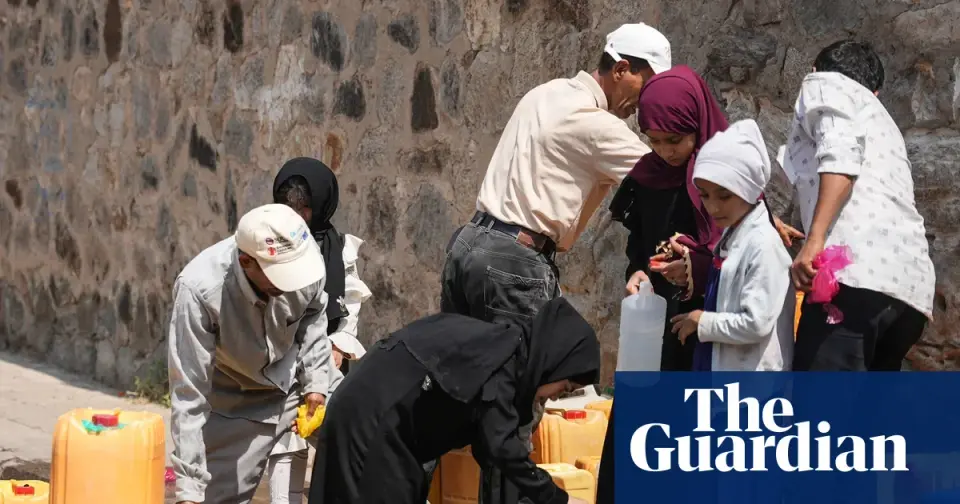
Yemen’s governor of Taiz, Nabil Shamsan, warned that Houthi forces are driving the city back to the 'stone age' through a month-long siege that has cut off water, fuel, and medical supplies. While the Houthis deny the blockade, independent agencies and UN officials confirm a severe humanitarian collapse, with water supplies dropping to 1,000 cubic meters daily against a need of 35,000. The crisis has left 120 health centers suspended and displaced over 281,000 people since August, prompting urgent calls for international aid access.
Key points
- Governor Shamsan reported that only 1,000 cubic meters of water reach Taiz daily, far below the 35,000 cubic meters required, with shipments stopped at Houthi roadblocks.
- The siege has suspended 120 health centers, leaving 1,800 people without dialysis and causing fuel shortages that threaten neonatal intensive care units.
- UN OCHA warned that 281,000 people have been displaced since August, and aid access is blocked by damaged roads and narrow mountain routes.
- Shamsan accused Houthis of forcing residents to sign loyalty forms and changing educational curricula, framing the conflict as a 'war of vengeance' rather than a military battle.
- Human Rights Watch confirmed that cooking gas prices rose by 400 percent and water trucking costs tripled, exacerbating the shortage of food and medicine.
Background
The current escalation follows a 12-year siege of Taiz by Houthi forces, which began in 2015. Recent archive reports from late October 2026 highlighted imminent healthcare collapse and water crises, with hospitals already reducing dialysis sessions due to diesel shortages. The current situation marks a sharp intensification of that blockade, with the UN noting that 20 days have passed since the city was fully cut off from major supply routes.
How outlets are covering it
The primary source, The Guardian, highlights Governor Shamsan’s claim that the Houthis are attempting to erase Yemeni identity by imposing Zaydi religious loyalty and altering school curricula. Al Jazeera focuses on the military dimension, reporting 749 government operations in 24 hours and Houthi advances on strategic mountain Jabal Sabr. Human Rights Watch emphasizes the legal and humanitarian aspects, noting that while sieges are not inherently illegal, the intentional deprivation of food and medicine violates international law. The Houthis, via their leader Abdul-Malik Badr al-Din al-Houthi, deny the siege, claiming roads are open for aid, a stance contradicted by UN officials and local residents who attribute the shortages to Houthi checkpoints.
Why it matters
The blockade threatens the survival of 800,000 residents in Taiz, with critical infrastructure like water pumps and hospitals failing due to fuel shortages. The crisis has displaced hundreds of thousands and risks a broader regional instability as Saudi-led airstrikes and Houthi counterattacks escalate across multiple fronts, including the Red Sea coast.
What to watch
The UN and humanitarian agencies are urging all parties to respect international humanitarian law and allow unimpeded aid access. Governor Shamsan has vowed that Taiz will resist until the end, demanding immediate access for UN agencies to deliver supplies. The military situation remains volatile, with frequent shelling and disrupted communications between the city and rural areas.
- Houthis sending Taiz ‘back to the stone age’, governor of besieged Yemen city says The Guardian
- Yemen's hospitals buckle as fighting escalates Reuters
- Fighting rages near Yemen’s Taiz as UN urges humanitarian access Al Jazeera
- Yemen: Houthis Depriving Taizz Civilians of Food, Medicine Human Rights Watch
- Iran hails Tehran security talks as a step toward regional dialogue, and other Mideast news kare11.com
Want the full story? Read the original reporting
Read on The Guardian