
Ukraine Strikes Crimea Railway Bridge After Road Span Collapse
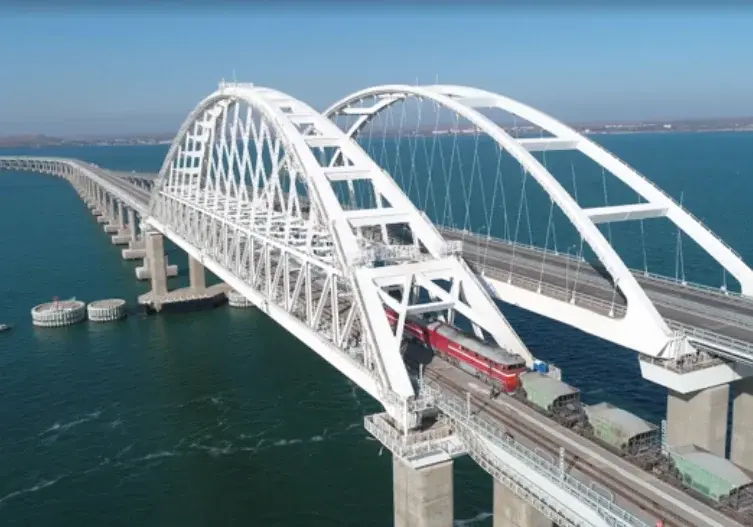
Ukrainian forces struck the railway section of the Kerch Strait Bridge with Neptune missiles on November 19, following the collapse of the road span on November 17. Russian officials suspended train traffic to assess damage, while Moscow vowed a 'painful' response. The strike severed Russia’s primary land link to Crimea, complicating supply routes for occupied territories.
Key points
- Ukraine’s General Staff confirmed the use of Neptune cruise missiles to target the railway arch of the Kerch Bridge at 1:30 AM on November 19.
- The road span of the bridge collapsed on November 17 after a multi-week campaign involving relay drones and Flamingo cruise missiles to bypass air defenses.
- Russian-appointed Crimea governor Sergei Aksyonov confirmed the suspension of railway traffic for inspection, with services resuming around 4 PM on November 19.
- President Vladimir Putin warned of a 'painful' response, claiming the bridge was used exclusively by civilians, and stated he would not negotiate until the structure was repaired.
- The strike coincided with a diplomatic summit in China, where Putin met with Donald Trump and Xi Jinping, potentially influencing ceasefire discussions.
Background
The Kerch Strait Bridge, valued at $3.6 billion, has been a target since 2022, with previous attempts including truck bombs and sea drones. In October 2026, Ukraine used Neptune missiles to strike Russian airfields, demonstrating the weapon’s range and precision. The current campaign followed a record drone barrage on November 16, which damaged the bridge’s infrastructure and disrupted traffic. Analysts note that the destruction of the road span forces Russia to rely on exposed overland routes through occupied southern Ukraine, which are also under attack.
How outlets are covering it
EUobserver emphasizes the technical difficulty of destroying the railway arch compared to the road span, noting that Russian officials resumed train services quickly after the November 19 strike. The Guardian highlights the political dimension, reporting that Putin linked the bridge attack to his decision to halt negotiations and vowed a retaliatory strike. Ars Technica focuses on the technological innovation, detailing how Ukraine used mesh-networked relay drones to bypass Starlink restrictions and guide missiles from over 250 kilometers away. While EUobserver and The Guardian confirm the suspension of traffic, Ars Technica notes that Russian sources claimed trains were running again by November 18, before the subsequent strike.
Why it matters
The destruction of the Kerch Bridge’s road span and the subsequent strike on the railway section significantly disrupt Russia’s logistical supply chain to Crimea. This complicates Moscow’s ability to maintain its military presence in the peninsula and forces reliance on vulnerable overland routes. The attack also serves as a symbolic blow to Putin’s regime, undermining the bridge’s status as a monument of Russian power and potentially influencing diplomatic negotiations by demonstrating Ukraine’s continued offensive capability.
What to watch
Russian authorities are assessing the extent of damage to the railway arch, with repair efforts described as 'heroic' by local officials. The Institute for the Study of War suggests that the bridge’s destruction will long-term complicate Russian occupation logistics. Ukraine may continue targeting the railway section or other supply routes, while Russia is expected to implement retaliatory strikes, potentially against Ukrainian infrastructure or diplomatic partners. The status of the bridge will be a key indicator of the war’s logistical and symbolic dynamics in the coming weeks.
- Ukrainians hit Crimea’s railway bridge with Neptune missiles, but it is harder to destroy than the road bridge (Ukraine Battlefield update, Day 1,729) EUobserver
- Ukraine strains Russian logistics with Crimean bridge strikes Reuters
- Putin vows ‘painful’ response to Ukraine’s bombing of Kerch bridge The Guardian
- Ukraine blew up Putin’s bridge using relay drones to bypass Starlink limits Ars Technica
- After Bridge Attack, Putin Says He Will ‘Not Be Negotiating’ Ukraine Cease-Fire The New York Times
Want the full story? Read the original reporting
Read on EUobserver