
Ukraine's Deep Strikes Target Russian Airfields and Arctic Energy
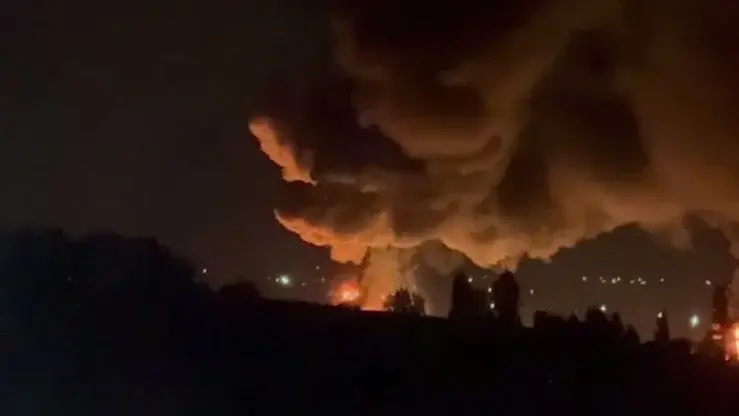
Ukraine launched a coordinated campaign of deep strikes against Russian military and energy infrastructure, hitting airfields in Rostov and refineries in Yaroslavl and Samara. These attacks, described as the deepest yet, aim to disrupt Moscow's war logistics and revenue, while raising concerns about escalating tensions in the Arctic.
Key points
- Ukraine's Security Service (SBU) struck a Russian military airfield in the Rostov region, damaging one An-12, two An-26 transport planes, and three helicopters.
- A joint operation involving the SBU, Unmanned Systems Forces, and intelligence agencies targeted the Yaroslavl oil refinery, with President Zelensky reporting additional 'good results' in the Black Sea.
- Earlier in the week, Ukrainian drones hit two gas processing plants in the Yamalo-Nenets Arctic region, located approximately 1,900 miles from the Ukrainian border, marking the deepest strike of the war.
- The Samara region faced a massive drone attack, with over 40 drones hitting a Rosneft-owned refinery and other industrial facilities, causing fires but no reported casualties.
- The Arctic strikes have heightened nuclear tensions, as the region hosts strategic bombers and submarines, and lacks current mechanisms for de-escalation between nuclear powers.
Background
This escalation follows a broader trend in late 2026 where Ukraine has scaled up its drone program to target deep inside Russia. Previous strikes in August and September focused on oil refineries in Bashkortostan and Yaroslavl, as well as gas plants in the Arctic, aiming to disrupt Russia's war economy and energy exports.
How outlets are covering it
Kyiv Post emphasizes the specific military and economic targets, highlighting the damage to aircraft and refineries as a direct response to Russian aggression. The Daily Beast frames these strikes as part of a broader 'double blow' to President Putin, citing domestic crises and the shifting focus of the war. Responsible Statecraft focuses on the geopolitical risks, arguing that the Arctic strikes have drawn the conflict into a region with high nuclear tensions and a lack of de-escalation mechanisms, warning of a potential security dilemma between NATO and Russia.
Why it matters
These strikes represent a significant escalation in the war, targeting critical infrastructure deep inside Russian territory. The damage to military aircraft and energy facilities aims to disrupt Russia's ability to sustain its war effort, while the Arctic strikes raise serious concerns about the potential for a broader, more dangerous conflict involving nuclear powers.
What to watch
The focus will likely remain on the impact of these strikes on Russian military logistics and energy revenue. There is also a heightened risk of further escalation in the Arctic, where the lack of de-escalation mechanisms could lead to a dangerous miscalculation between nuclear powers.
- Zelensky Says Ukraine Hit 3 Russian Planes, 3 Helicopters and Oil Refinery Kyiv Post
- Russia's Yaroslavl refinery shuts processing after a drone attack, sources say Reuters
- Humiliated Putin Suffers Major Double Blow The Daily Beast
- Ukraine war spreads to Arctic as nuclear tensions escalate Responsible Statecraft
- Taganrog: Neptune Missile Strike Destroyed Atlant Aero Production Facilities militarnyi.com
Want the full story? Read the original reporting
Read on Kyiv Post