
Ukraine’s 57% interception rate for jet drones highlights a costly defense gap
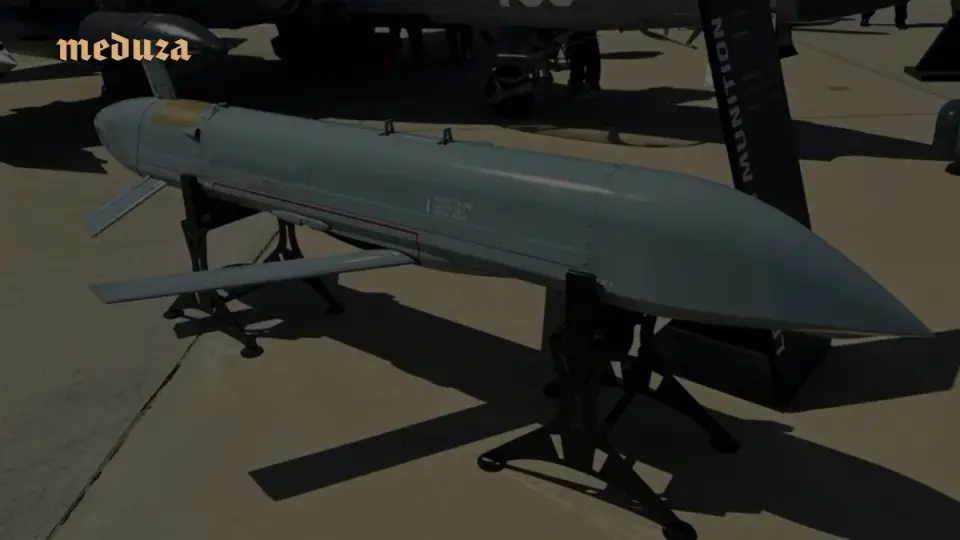
Russia’s new jet-powered drones are outpacing Ukraine’s existing defenses, forcing Kyiv to develop expensive new interceptors. While Ukraine has successfully shot down these faster targets, the high cost of defense and production is straining both nations' budgets. Putin claims Ukraine has no 'antidote' to these weapons, but Kyiv is actively testing new systems to close the gap.
Key points
- Putin stated Ukraine lacks an 'antidote' to Russia's new jet-powered drones, claiming Kyiv seeks an 'air ceasefire' due to vulnerability.
- Ukraine’s overall drone interception rate is 70%, but the rate for jet-powered models is significantly lower at 57%, according to Zelensky.
- Russia has deployed four new jet-powered models, including Geran-4, Geran-5, S8000 'Banderol', and 'Dan-T', using Chinese turbojet engines.
- Ukraine is testing new jet-powered interceptor drones to counter the speed advantage of Russian weapons, as older electric interceptors are ineffective.
- The arms race is draining budgets: Ukraine faces a $27 billion gap in its 2026 military budget, while Russia’s military spending reached 9.4% of GDP.
Background
In August 2026, Russia launched 76 jet-powered drones at Kyiv, with Ukrainian defenses downing about 70. By September, Ukraine unveiled a turbojet-powered delta-wing interceptor to counter the Geran-5. Earlier in the month, a drone struck the SBU headquarters in Kyiv, signaling a shift to constant raids by fast, jet-powered drones.
How outlets are covering it
Meduza provides a detailed technical and financial analysis, noting that while Ukraine has the technological capacity to build defenses, the cost is prohibitive. The Washington Post emphasizes the immediate impact on Kyiv, describing it as a 'daytime war zone' due to the speed of the new drones. UNITED24 Media focuses on the statistical gap, highlighting Zelensky's admission that the 57% interception rate for jet drones is 'significantly lower than needed.'
Why it matters
The shift to jet-powered drones represents a critical technological leap for Russia, forcing Ukraine to abandon its cost-effective electric interceptor strategy. The high cost of new defenses and the strain on both countries' budgets suggest a prolonged, expensive stalemate in the drone arms race, with significant implications for civilian safety and military logistics.
What to watch
Ukraine is expected to scale up production of new jet-powered interceptors and continue testing new systems to improve the interception rate. Russia is likely to continue expanding its production of jet-powered drones, potentially reaching 10,000 units a year for the 'Dan-T' model. Both nations will face continued budgetary pressures as they fund this technological arms race.
- Putin claims that Ukraine has no ‘antidote’ to Russia’s new jet-powered drones. Kyiv has already shown it can shoot them down, but doing it at scale could cost billions. Meduza
- Russia’s jet-powered drones are turning Kyiv into a daytime war zone The Washington Post
- Ukrainians say their drone-on-drone war is clocking speeds faster than Formula 1 cars yahoo.com
- “Significantly Less Than Needed”: Zelenskyy Reveals Ukraine’s 57% Interception Rate for Jet Drones UNITED24 Media
- 'Magyar': Ukrainian engineers successfully test jet-powered countermeasures against Shahed drones Ukrinform
Want the full story? Read the original reporting
Read on Meduza