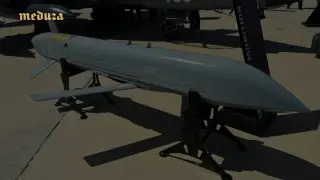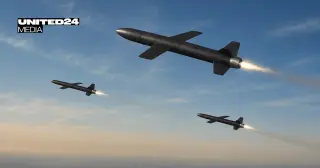
Ukraine is testing new 'Nika' missiles and the German-developed 'SPYS' interceptor to counter Russian jet-powered drones, while deploying AI-enabled .50-caliber turrets in Kyiv to improve interception rates that currently stand at 50-70%.
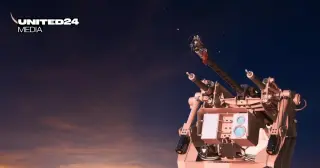
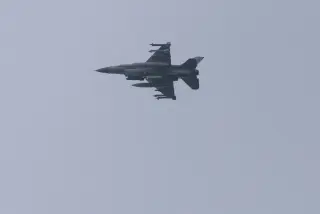
Ukraine has installed over 12 automated .50-caliber gun turrets in Kyiv, with eight more planned for the region, to counter Russian jet-powered drones. President Zelenskyy announced the deployment on October 4 during a visit by German Chancellor Friedrich Merz. While interception rates for conventional drones remain high, success against faster jet variants is lower, prompting a layered defense strategy that includes new small missiles and F-16 fighter jets.
Russia’s new jet-powered drones are outpacing Ukraine’s existing defenses, forcing Kyiv to develop expensive new interceptors. While Ukraine has successfully shot down these faster targets, the high cost of defense and production is straining both nations' budgets. Putin claims Ukraine has no 'antidote' to these weapons, but Kyiv is actively testing new systems to close the gap.
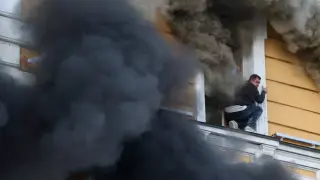
Russian forces launched a sustained aerial assault on Ukraine, striking the National Academy of Sciences in Kyiv and other civilian targets. The attacks, which killed at least nine people and wounded over 80, utilized faster jet-powered drones that Ukraine struggles to intercept. While Kyiv condemns the strikes as terror, Moscow denies targeting civilians. The assault follows a week of stalled diplomacy and highlights Ukraine's growing vulnerability to high-speed drone technology.
Russian forces launched a sustained aerial assault on Ukraine on September 28, 2026, targeting civilian infrastructure in Kyiv and other cities. A jet-powered drone struck the National Academy of Sciences in central Kyiv, killing one person and injuring six, including three children. A subsequent strike hit a nearby hospital, causing further casualties. President Volodymyr Zelenskyy condemned the attacks as terror and urged Western nations to intensify pressure on Russia. The assault followed a week of stalled diplomatic efforts at the United Nations and marked a shift toward daytime strikes using faster, harder-to-intercept drones.
Ukrainian forces are adopting a new counteroffensive strategy that targets Russian supply lines rather than immediately clearing infiltrators, leading to significant advances near Lyman. Simultaneously, Moscow is shifting its war strategy to rely on long-range jet-powered drone strikes against Ukrainian infrastructure, while US officials deny reports of a Trump-Zelensky summit in Moscow.
Ukraine is fielding a growing fleet of high-speed interceptors, including Wild Hornets' Sting S, to shoot down Russia's jet-powered Geran-5 drones; Kyiv has also highlighted a delta-wing interceptor and is moving toward mass production of fast, remotely operated interceptors as jet-drone attacks rise and current interception rates lag for jet models.
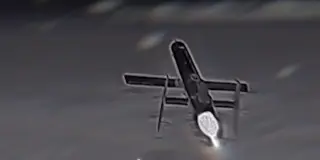
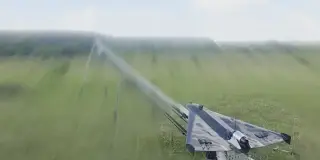
Ukraine unveiled a turbojet-powered delta-wing interceptor designed to shoot down Russia’s jet-powered Geran-5 drones, launched from a rail catapult. Zelenskyy posted footage saying the SBU has successfully deployed it, and a separate clip shows a Geran-5 destruction. The design marks Kyiv’s shift from small quadcopters to faster, winged interceptors as authorities partner with multiple firms to counter Shahed-type drones, including projects like Alexa Spatium and Sting S by Wild Hornets.
Russia’s jet-powered drones killed dozens in Ukraine this week, including 38 people in Myla on Aug. 29 and 12 more across the country on Sept. 1, with Ukraine saying interception of the jet variant is only about 60% (versus over 90% for propeller drones). The attacks come as Moscow’s advance slows and Kyiv responds with strikes on air defenses, drone sites, and oil infrastructure to pressure Russia’s war effort.
Russia has shifted from early jet drone tests to full-scale serial production of Geran-4 and Geran-5, reportedly reaching about 3,000 units per month by August 2026 as part of a sustained long‑range drone campaign against Kyiv. The transition took roughly two and a half years, with drones increasingly resembling cruise missiles and using imported turbojet engines.
Russia launched 76 jet-powered Shahed-type drones at Ukraine on Aug. 18 (7 a.m.–6 p.m. local), with Ukrainian air defenses downing about 70; several drones reached ground targets and debris was reported in Kyiv’s Dniprovskyi district as nine air-raid alerts were issued in Kyiv and Kyiv Oblast. Russia has expanded use of faster, higher-flying Geran-3/4/5 drones—especially Geran-5, which can reach 600 km/h, 950 km range and 90 kg warhead—and has built about 10 bases along its borders to launch these drones, signaling a broader long-range strike capability.
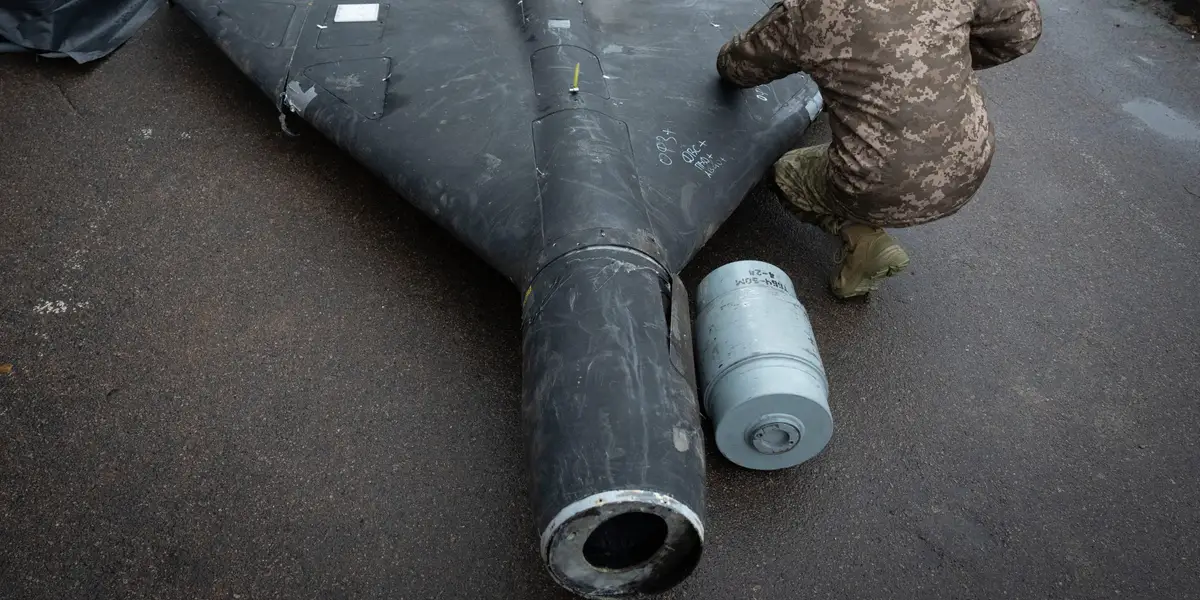
Ukraine reports encountering Russia's new jet-propelled Shahed drones, potentially capable of flying up to 500 mph, which could significantly challenge Ukraine's air defenses if used extensively. These drones, modeled after Iran's Shahed-238, pose a threat due to their high speed, making them difficult to intercept with current defenses, and mark a new escalation in the drone warfare in Ukraine.